

Caryl Churchill Takes on Trump in Pop-Up Play ‘Triumph’
By ELYSA GARDNER
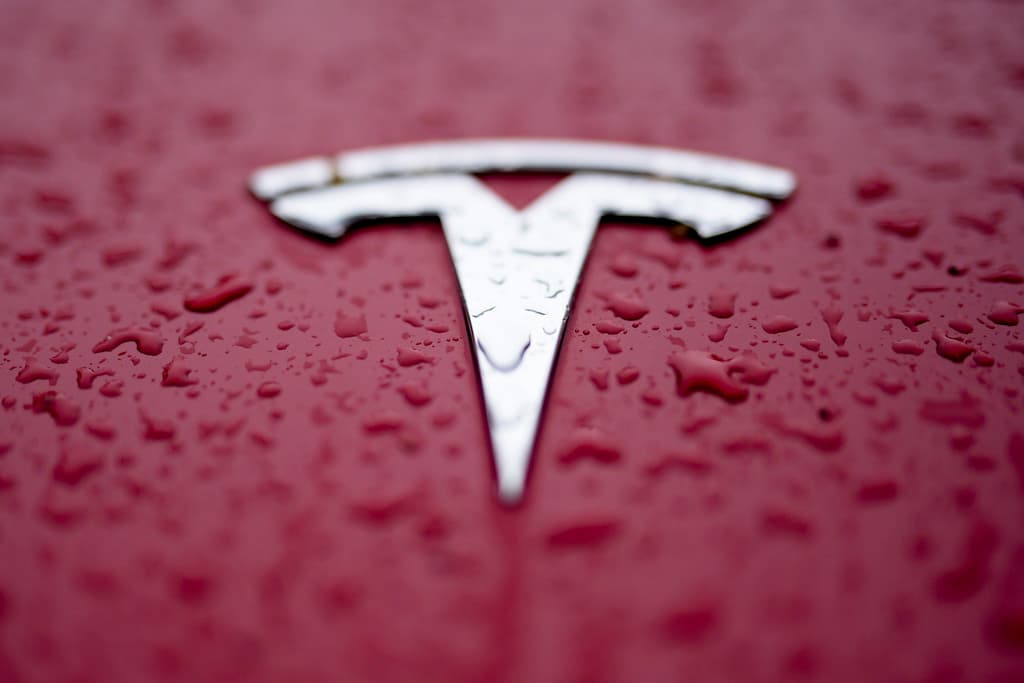
|Though Tesla offers a five-car model line — the S, X, 3, Y, and Cybertruck — the 3 and Y take 97 percent of sales.

Published:
Updated:
Tesla has long been a problem for efficient markets theory, or the universal wisdom of value investing, or the notion that retail traders know what they’re doing. If Tesla’s sales reflected its ticker price, then it would sell more cars than Toyota and Ford combined, but that isn’t, and has never, been true. At one point, this value was suspended on the idea that Tesla would reach that scale and have unprecedented margins given their efficiency. Musk once promised that the company would sell twenty million cars a year, with the implicit promise of doing so without reducing per-car profits. With that notion long abandoned, investors try to justify its value on Tesla’s beta-testing robotaxi business, or its even more theoretical line of home robots.
By ELYSA GARDNER
|
By MATTHEW RICE
|
By MATTHEW RICE
|
By JOTAM CONFINO
|
By STEPHEN MOORE
|
By JOHN STEELE GORDON
|
By LUKE FUNK
|
By THE NEW YORK SUN
|Tesla has long been a problem for efficient markets theory, or the universal wisdom of value investing, or the notion that retail traders know what they’re doing. If Tesla’s sales reflected its ticker price, then it would sell more cars than Toyota and Ford combined, but that isn’t, and has never, been true. At one point, this value was suspended on the idea that Tesla would reach that scale and have unprecedented margins given their efficiency. Musk once promised that the company would sell twenty million cars a year, with the implicit promise of doing so without reducing per-car profits. With that notion long abandoned, investors try to justify its value on Tesla’s beta-testing robotaxi business, or its even more theoretical line of home robots.
Already have a subscription? Sign in to continue reading
Cancel anytime
By continuing you agree to our Privacy Policy and Terms of Service.
Cancel anytime