

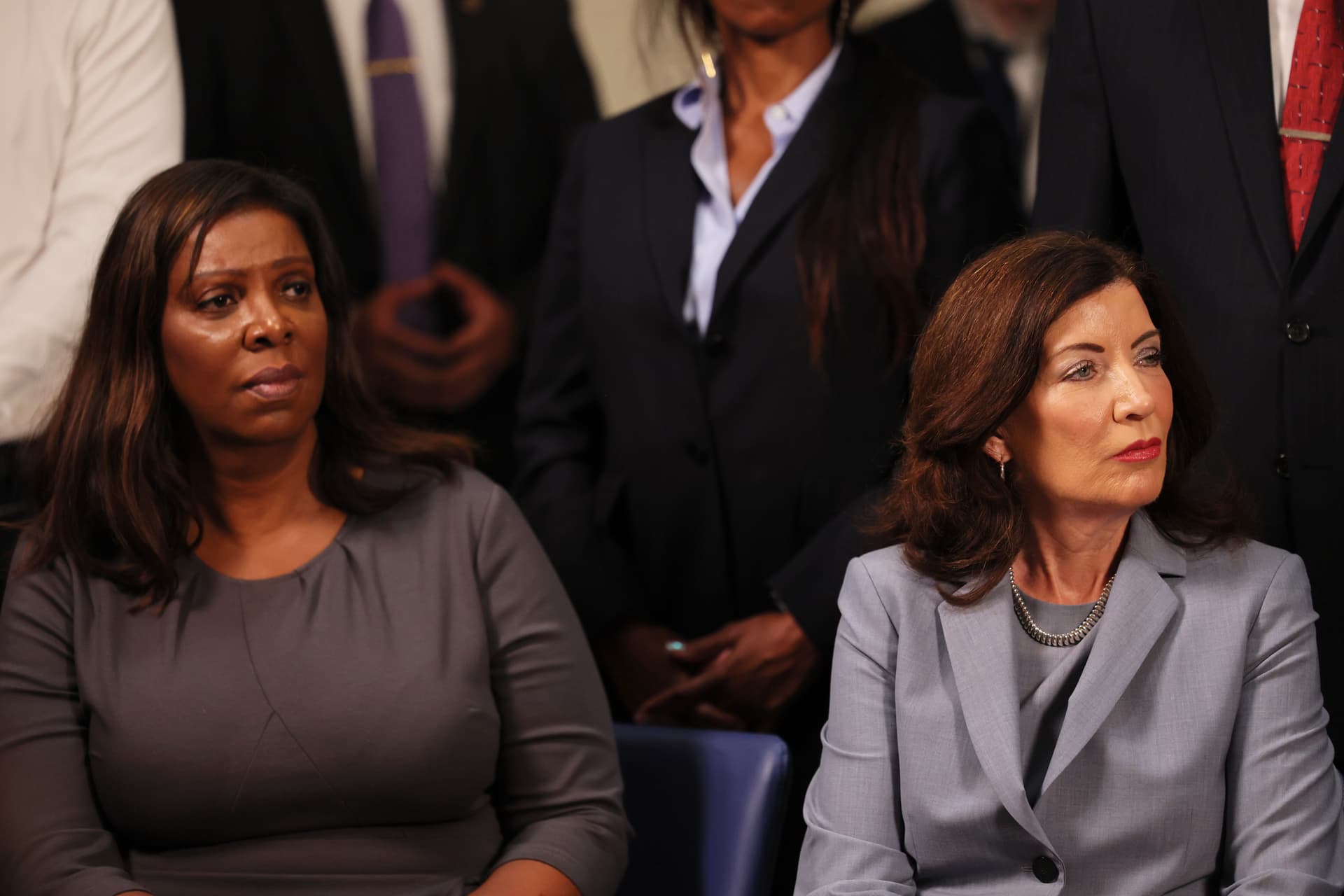
Albany Is Ordering New York Sheriffs To Refuse To Protect Their Citizens
By DALE WILCOX
|Perhaps it’s their quality of self-effacement that makes John Crowe Ransom’s poems unusual, particularly for contemporary readers acclimatized to solipsistic, ‘I’-driven verse.
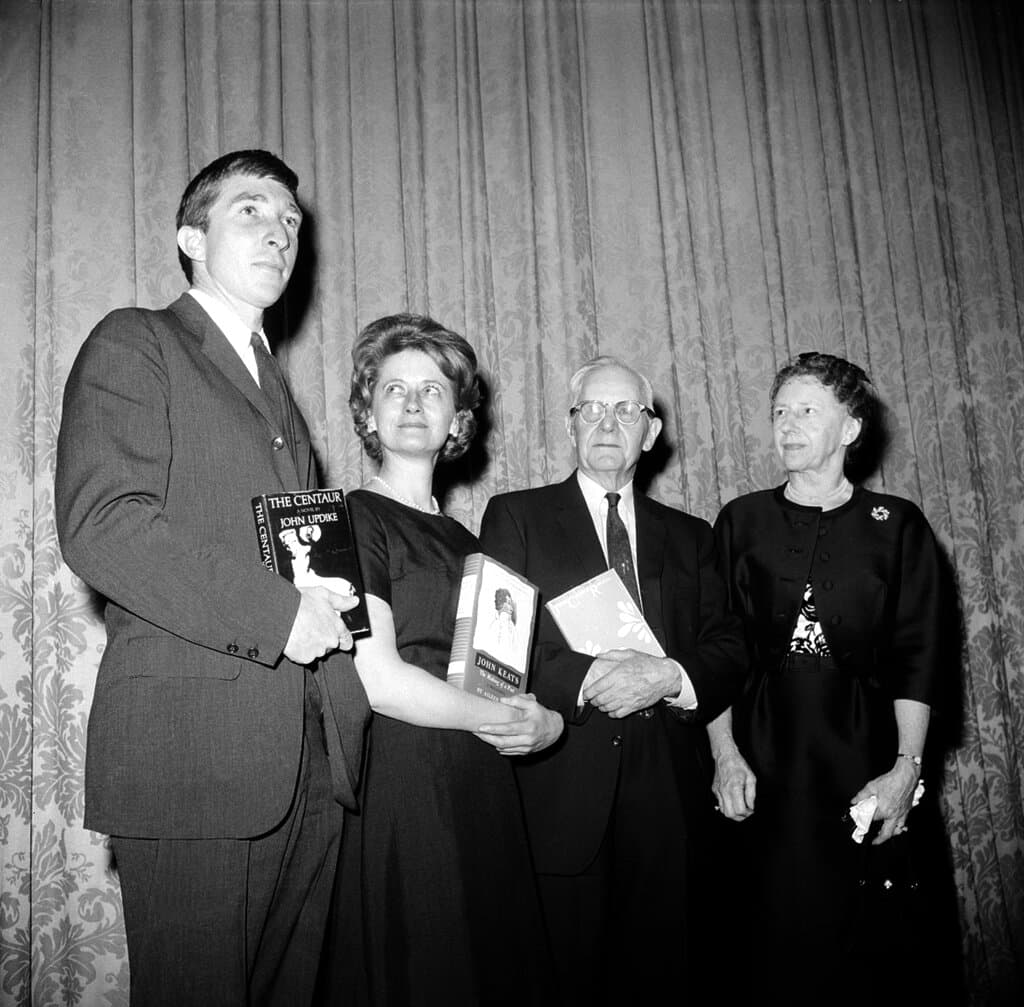
Today’s Poem of the Day, anticipating the April 30 birthday of its author, the Fugitive poet John Crowe Ransom (1888–1974), numbers among Ransom’s most famous and anthologized poems. With “Janet Waking” and “Blue Girls,” it’s one of those poems that emblematize Ransom as poet — but what is it, exactly, that distinguishes them as the work of this poet and no other?
Perhaps it’s their very quality of self-effacement that makes Ransom’s poems unusual, particularly for contemporary readers acclimatized to solipsistic, “I”-driven verse. Though “Bells for John Whiteside’s Daughter” has a single speaker, he has hidden himself among the crowd of mourners, the “we” who are confronted by the awful incongruity of a child’s death. From the first line, everything this speaker declares points outward, away from himself. Beholding the dead child propped in her casket, remembering her in life, he says, at every moment, Don’t look at me. Look there.
But this voice is hardly anonymous. Though the language in these abab quatrains, with their three lines of tetrameter and one of trimeter, is as simple and straightforward as a well-cut suit, still the singular rhetoric emerges. The child’s liveliness is figured as warlikeness: “bruiting” her wars against her shadow and against the geese, who don’t fight back but lament (“in goose”), as she herds them into the pond. In death, her unaccustomed stillness is that of one absorbed in her own thoughts, all her outward activity turned inward, her battles ended in unanticipated surrender.
The shocked mourners who behold her thus are not heartbroken, but “vexed,” a word strange and exact and unsentimentally true. What else should a child’s death evoke, but the sense that something is annoying, frustratingly, distressingly wrong?
By DALE WILCOX
|
By MICHAEL BARONE
|
By BEN CLERKIN
|
By HOLLIE McKAY
|
By ELYSA GARDNER
|
By JOSEPH CURL
|
By LAWRENCE KUDLOW
|
By BENNY AVNI
|Today’s Poem of the Day, anticipating the April 30 birthday of its author, the Fugitive poet John Crowe Ransom (1888–1974), numbers among Ransom’s most famous and anthologized poems. With “Janet Waking” and “Blue Girls,” it’s one of those poems that emblematize Ransom as poet — but what is it, exactly, that distinguishes them as the work of this poet and no other?
Perhaps it’s their very quality of self-effacement that makes Ransom’s poems unusual, particularly for contemporary readers acclimatized to solipsistic, “I”-driven verse. Though “Bells for John Whiteside’s Daughter” has a single speaker, he has hidden himself among the crowd of mourners, the “we” who are confronted by the awful incongruity of a child’s death. From the first line, everything this speaker declares points outward, away from himself. Beholding the dead child propped in her casket, remembering her in life, he says, at every moment, Don’t look at me. Look there.
But this voice is hardly anonymous. Though the language in these abab quatrains, with their three lines of tetrameter and one of trimeter, is as simple and straightforward as a well-cut suit, still the singular rhetoric emerges. The child’s liveliness is figured as warlikeness: “bruiting” her wars against her shadow and against the geese, who don’t fight back but lament (“in goose”), as she herds them into the pond. In death, her unaccustomed stillness is that of one absorbed in her own thoughts, all her outward activity turned inward, her battles ended in unanticipated surrender.
The shocked mourners who behold her thus are not heartbroken, but “vexed,” a word strange and exact and unsentimentally true. What else should a child’s death evoke, but the sense that something is annoying, frustratingly, distressingly wrong?
Cancel anytime
By continuing you agree to our Privacy Policy and Terms of Service.
Cancel anytime