
Albany Is Ordering New York Sheriffs To Refuse To Protect Their Citizens
By DALE WILCOX
|Ransom was one of the major figures in what was called the New Criticism and a widely recognized poet who helped shape the next generation of poets in formalism and wry precision of language.

Published:
Updated:
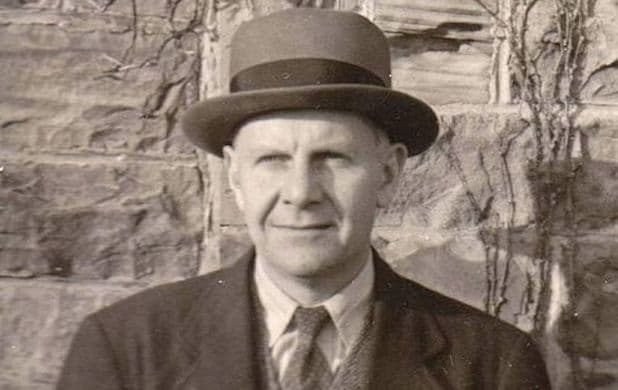
John Crowe Ransom (1888–1974) was an example of a kind of American — particularly Southern — poetic sense and learnedness that nearly captured literary America from the 1930s to the 1950s. These were the poets and critics trained in Greek and Latin, educated at such schools as Vanderbilt, and sent out to conquer America’s colleges. Ransom was one of the major figures in what was called the New Criticism and a widely recognized poet whose post at Kenyon College, and editorship of the Kenyon Review, helped shape the next generation of poets in formalism and wry precision of language. In “Dumb-Bells,” he swipes at the emerging fad for exercising, the services of successful people trying “try to make themselves like God.” In stanzas of three tetrameter couplets each, he mocks physical fitness as a religious cult.
By DALE WILCOX
|
By MICHAEL BARONE
|
By BEN CLERKIN
|
By HOLLIE McKAY
|
By ELYSA GARDNER
|
By JOSEPH CURL
|
By LAWRENCE KUDLOW
|
By BENNY AVNI
|John Crowe Ransom (1888–1974) was an example of a kind of American — particularly Southern — poetic sense and learnedness that nearly captured literary America from the 1930s to the 1950s. These were the poets and critics trained in Greek and Latin, educated at such schools as Vanderbilt, and sent out to conquer America’s colleges. Ransom was one of the major figures in what was called the New Criticism and a widely recognized poet whose post at Kenyon College, and editorship of the Kenyon Review, helped shape the next generation of poets in formalism and wry precision of language. In “Dumb-Bells,” he swipes at the emerging fad for exercising, the services of successful people trying “try to make themselves like God.” In stanzas of three tetrameter couplets each, he mocks physical fitness as a religious cult.
Already have a subscription? Sign in to continue reading
Cancel anytime
By continuing you agree to our Privacy Policy and Terms of Service.
Cancel anytime