

UEFA Weighs World Cup Boycott Over Infantino’s $20 Billion Private Equity Push
By GEORGE WILLIS
|D.H. Lawrence knows how to turn an encounter to a mortifying self-reflection, the What am I? of existential doubt.

Published:
Updated:
An early poem from D.H. Lawrence (1885–1930), which appeared in his 1916 collection “Amores,” “The Enkindled Spring” shows the young writer emerging from something like a traditional Georgian poet into the Lawrence we remember: the modernist, sex-driven author of such novels as “Sons and Lovers,” “The Rainbow,” and “Lady Chatterley’s Lover.”
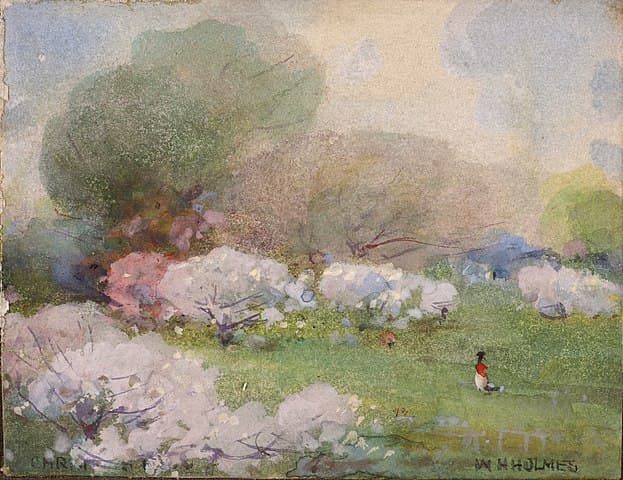
The poem is in pentameter quatrains, rhymed abab, and it plays with traditional tropes of spring. The season “bursts up in bonfires” — a torrent of imagery that shows the world ablaze with green fire. Weak poets striving to be, say, an ersatz Walt Whitman, would then turn to describing themselves as joined to the spring blaze: a phallic tower of spring’s force, a yonic frenzy that creates new life.
Lawrence is better than such easy self-congratulations. He knows how to turn an encounter to a mortifying self-reflection, as he does in “Snake” (“I missed my chance with one of the lords / Of life. / And I have something to expiate: / A pettiness”) or the failed-seduction poem “Piano,” which we offered as a Poem of the Day last spring.
Already have a subscription? Sign in to continue reading
By GEORGE WILLIS
|
By BRADLEY CORTRIGHT
|
By A.R. HOFFMAN
Cancel anytime
By continuing you agree to our Privacy Policy and Terms of Service.