

UEFA Weighs World Cup Boycott Over Infantino’s $20 Billion Private Equity Push
By GEORGE WILLIS
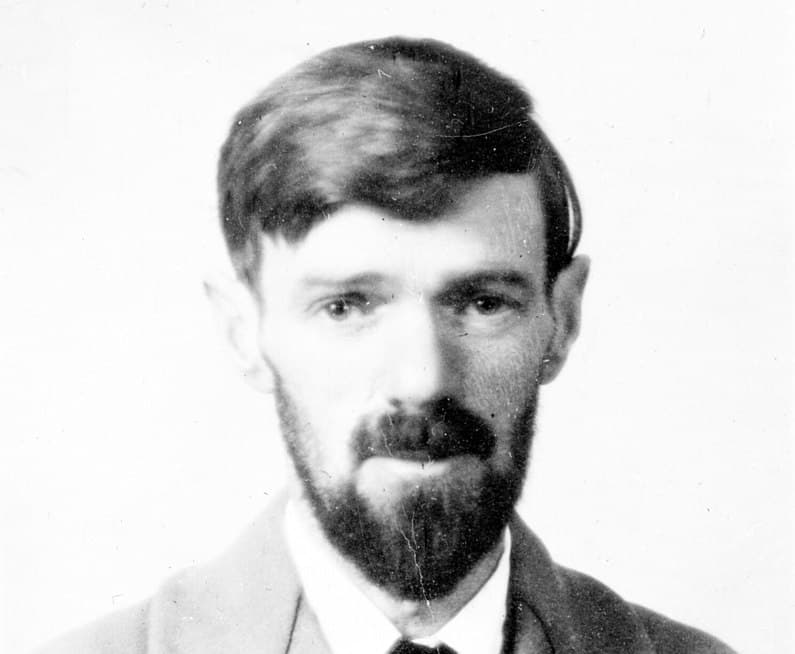
|For more than half a century, readers thought of D.H. Lawrence as a symbol for the licentious and the carnal. Now, with cooler eyes, we can see the nuances in his work.

Published:
Updated:
For more than half a century, general readers thought of D.H. Lawrence (1885–1930) mostly as a sex fiend: a symbol for the licentious and the carnal. And thus Lawrence was spurned or embraced, depending on how one felt about what was quaintly called “Free Love.” Literary critics struggled to force recognition that such novels as “Sons and Lovers,” ”The Rainbow,” and even “Lady Chatterley’s Lover” were high-modernist achievements, but they succeeded only once Lawrence ceased much to be read as a cultural symbol. And now, with cooler eyes, we can look and see the nuances in his work. In the poem “Piano,” for example, he uses trochaic quatrains to paint a scene of failed seduction: A woman, singing passionate songs to him at the piano, brings to memory being at his mother’s feet. And “now it is vain for the singer” to continue her seduction. “The glamour / Of childish days is upon me, my manhood is cast / Down in the flood of remembrance.”
Already have a subscription? Sign in to continue reading
By GEORGE WILLIS
|
By BRADLEY CORTRIGHT
|
By A.R. HOFFMAN
Cancel anytime
By continuing you agree to our Privacy Policy and Terms of Service.