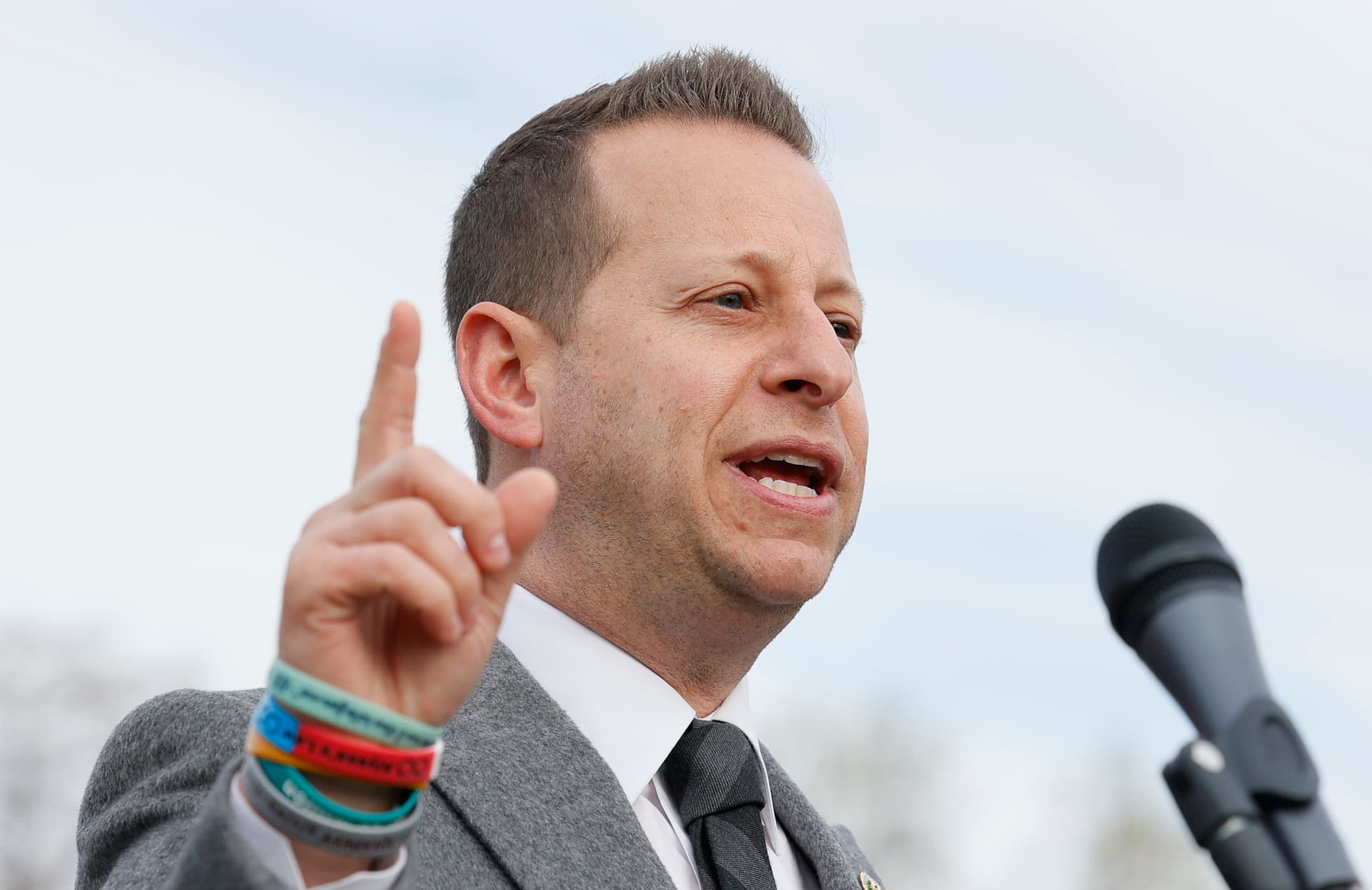
Supreme Court Justices Appear Skeptical of Colorado’s Ban on Conversion Therapy
A decision to strike down the law on First Amendment grounds could affect more than 20 states with similar laws.
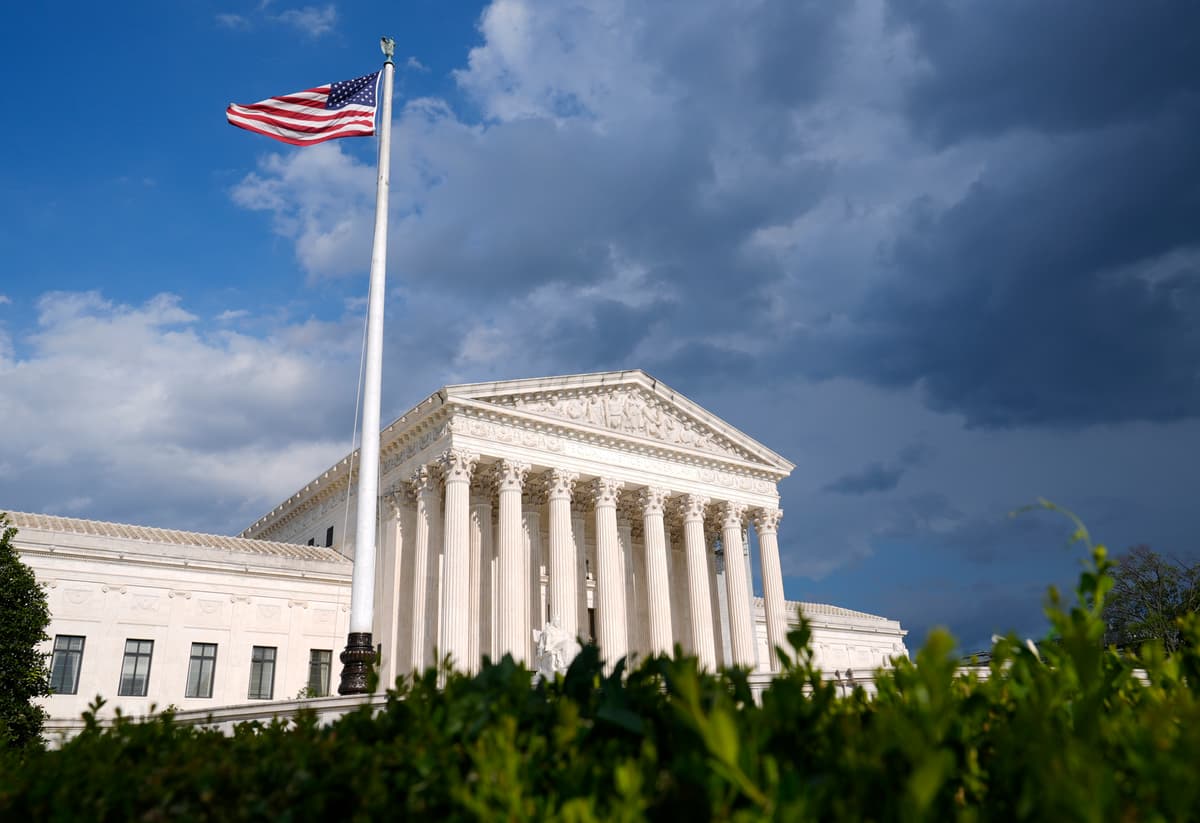

Legal analysts are predicting that Colorado’s law banning so-called conversion therapy — which is aimed at changing a young person’s sexual orientation — will be struck down after a Supreme Court hearing in which the state’s solicitor general was subjected to tough questioning from the justices.
The 5-year-old law prohibits any licensed physician who specializes in psychiatry, or any licensed or certified mental health provider, from “engaging in conversion therapy with a patient under 18 years of age.”
It defines conversion therapy as “efforts to change an individual’s sexual orientation, including efforts to change behaviors or gender expressions or to eliminate or reduce sexual or romantic attraction or feelings toward individuals of the same sex.” More than 20 other states have similar laws.
The arguments in Tuesday’s case, known as Chiles v. Salazar, centered on the question of whether Colorado’s law regulates professional conduct or violates the First Amendment’s protection for free speech.
Colorado insists that the law, passed in 2019 after years of failed attempts, is designed to protect patients from substandard care and that striking it down could upend medical malpractice law.
The firm that brought the case, the Alliance Defending Freedom, says “talk therapy,” which its client Kaley Chiles wants to practice, is simply speech and not professional conduct such as prescribing medication or performing surgery.
Colorado’s solicitor general, Shannon Stevenson, argued on Tuesday that states should be able to regulate health care professionals to ensure they are not providing substandard care or promoting unproven treatments. Colorado has argued that conversion therapy has been debunked and is harmful because it tells patients there is something wrong with them.
“A health care provider cannot be free to violate the standard of care just because they are using words, and a state cannot be required to let its vulnerable young people waste their time and money on an ineffective, harmful treatment just because that treatment is delivered through words,” Ms. Stevenson said.
However, the chief justice, John Roberts, said that medical professionals should still have protection for their speech, saying, “Just because they’re engaged in conduct doesn’t mean that their words aren’t protected.”
An associate justice from the court’s liberal wing, Elena Kagan, also seemed to question Colorado’s argument. She presented a hypothetical situation in which two doctors acknowledge a patient is gay and one of them tries to get the patient to accept it, while the other tries to change the patient.
“One of those [doctors’ responses] is permissible and the other is not,” Justice Kagan said. “That seems like viewpoint discrimination in the way we would normally understand viewpoint discrimination.”
Ms. Stevenson responded that “medical treatment has to be treated differently.”
Some of the justices also pressed Ms. Stevenson on Colorado’s argument that a medical “consensus” finds that conversion therapy is harmful to patients, and whether that “consensus” is sufficient to prohibit the practice.
The ADF maintains that the state has failed to provide evidence that “talk therapy” — as opposed to for example electric shock therapy — is dangerous.
Associate Justice Samuel Alito asked whether there had been “times when the medical consensus has been politicized, has been taken over by ideology.”
“Was there a time when many medical professionals thought that certain people should not be permitted to procreate because they had low IQs?” Justice Alito asked.
Ms. Stevenson did not directly answer the question but replied, “There is nothing about this statute that stops anyone from sharing any opinion about conversion therapy or about how the consensus on that was reached.”
While several justices seemed skeptical of the argument that conversion therapy is conduct that can be regulated, Associate Justice Ketanji Brown Jackson asked a lawyer for the Trump administration, which sided with Ms. Chiles, why the regulation under consideration “isn’t really just the functional equivalent of Skrmetti.”
In US v. Skrmetti, the Supreme Court upheld Tennessee’s ban on so-called gender affirming care for minors, but left it up to states to decide whether to ban the procedures.
Justice Jackson said she is “concerned about making sure that we have equivalence with respect to these things.”
The lawyer for the federal government, Hashim Mooppan, said the two cases were different because the Colorado case involves the First Amendment, whereas Skrmetti did not.
After the arguments, legal analysts said they believe the Supreme Court will rule against Colorado. A journalist, Chris Geidner, said on X that based on the questions asked, it appears that the “Supreme Court will subject Colorado’s conversion therapy ban to strict scrutiny under the First Amendment, with a majority likely to strike it down outright.”
A lawyer and conservative commentator at National Review, Ed Whelan, suggested that the justices might be divided on whether they should strike down the law or remand the case to a lower court.
The court is expected to rule on the case next year.