‘Teen Vogue’ the Latest To Stumble by Chasing a New Audience Rather Than Serving the One It Has

The magazine’s fate is following a trend that’s beyond politics.
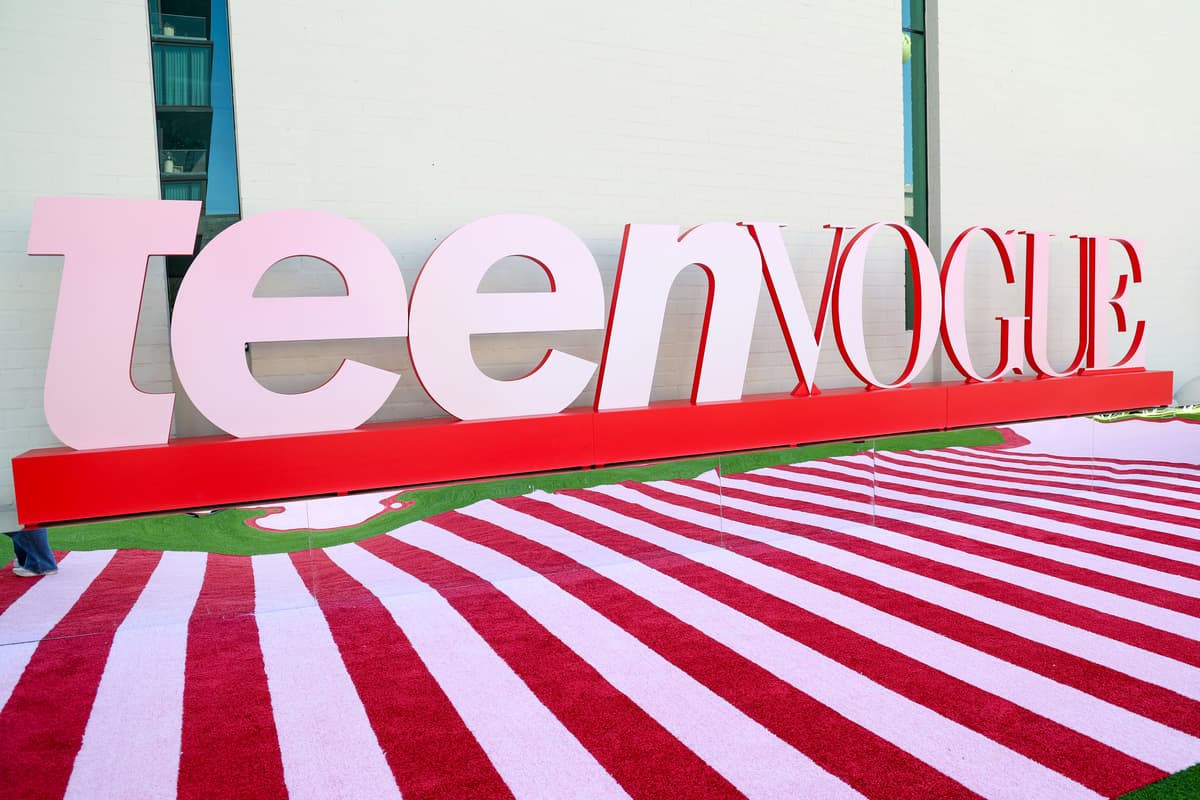
Phillip Faraone/Getty Images for Teen Vogue
The 2025 Teen Vogue Summit on September 20, 2025 at Los Angeles. Phillip Faraone/Getty Images for Teen Vogue

The end of “Teen Vogue” magazine is inspiring eulogies on the left and joy on the right. But the magazine’s fate is following a trend that’s beyond politics. One iconic brand after another is learning the folly of chasing new audiences in ways that alienate loyal fans.

In December 2016, the reverberations of President Trump’s victory over Senator Hillary Clinton reached into every corner of American life. “Teen Vogue” fed the zeitgeist with a story, “Donald Trump Is Gaslighting America,” that racked up over 1.3 million hits.

The editor-in-chief of “Teen Vogue,” Elaine Welteroth, told NPR that the edition had sold “more copies of the magazine than we had that entire year.” Rather than make a gentle shift into current events and test if they could duplicate that success, the magazine chucked the wheel hard to the left on every page.

Now Condé Nast will cease publication of “Teen Vogue” and banish it to an online corner of its marquee property, “Vogue.” About 80 people will lose their jobs, because management overlooked that neither word in the name “Teen Vogue” cried out for political advocacy. 

“Teen Vogue,” founded for readers between 12 and 17, began delivering articles such as 2019’s “Anal Sex: Safety, How Tos, Tips, and More.” The magazine announced along the way that it was now targeting people up to 27, imagining it could cast a net wide enough to attract those adults without losing its underaged base. 

Subscribers subscribed for the latest news on teen idols, glamor spreads of what the cool kids were wearing, and cover stories like 2006’s “Prom Magic.” Instead, they got advice on “pill swapping,” witches teaching “How To Hex the Patriarchy,” and a steady stream of LGBTQ coverage. 

In 1977, the publisher of “Hustler,” Larry Flynt, tried an analogous swerve in focus after declaring himself “born again.” He told TIME that he would be “hustling for the Lord” and cleaned up the notorious periodical, which began bleeding subscribers and attracted few devout Christians to replace them. The pornography soon returned. 

“Playboy” axed its slogan “Entertainment for Gentlemen” in 2017. For their first issue after the death of Flynt’s rival, Hugh Hefner, USA Today reported that “model Ines Rau” would be the “first transgender Playmate.” Again, the imagined new subscribers failed to sign up despite buzz in the press.

Existing “Playboy” subscribers cancelled, preferring their playmates in the mold of the “angel” that the J. Geils Band mooned over in their 1981 hit, “Centerfold.” It’s tempting to chalk up the struggle of these magazines to the digital revolution, but the bait-and-switch has caused damage beyond the printed word. 

Social media is awash in memes mocking TV shows and franchises like “Star Wars” for their partisan, hectoring storylines and lack of respect for the source material. Sports fans lament that games have become secondary to endless product plugs and soapboxing.

An infamous example of losing the bird in hand while reaching for the two in the bush was FoxTrax. When Fox Sports bought the rights to air NHL games in the mid-1990s, it decided to help non-fans follow the puck by adding a glowing dot to track it. Fans called it a distracting gimmick and mock it to this day. 

Wise companies dance with the ones who brought them. In 1988’s “Talking Straight,” Lee Iacocca recalled “high-consultants” who suggested rebranding Chrysler into the more “modern” and “snappy” Crysco because it sold more than cars. Iacocca said it sounded like they were selling lard, “dish soap, or a discount airline,” and stuck to automobiles. 

Cracker Barrel hewed to what its fans wanted in August, abandoning its renovations of restaurants and returning to its folksy logo. Burger King began pitching salads to health-conscious diners and vegetarians in 2002, only to let the experiment peter out by 2022. 

Companies abide when they give their existing customers what they expect; those that don’t fail. Others, like Kodak and RadioShack, limp along only as “zombie brands.” That looks to be the fate of “Teen Vogue.” It’s a shell of its former self — the former teen “It” that nobody wants to ask to the prom.


The New York Sun

© 2025 The New York Sun Company, LLC. All rights reserved.

Use of this site constitutes acceptance of our Terms of Use and Privacy Policy. The material on this site is protected by copyright law and may not be reproduced, distributed, transmitted, cached or otherwise used.

The New York Sun

Sign in or  create a free account

or
By continuing you agree to our Privacy Policy and Terms of Use