A Grim Irony: Are Rob and Michele Reiner Bankrolling Their Son’s Murder Defense?

Several family insiders claim he has never held a steady job, instead living off his parents’ financial support.


Getty Images
Jake Reiner, Romy Reiner, Rob Reiner, and Michele Reiner attend the 75th Primetime Emmy Awards at Peacock Theater on January 15, 2024 in Los Angeles. Getty Images

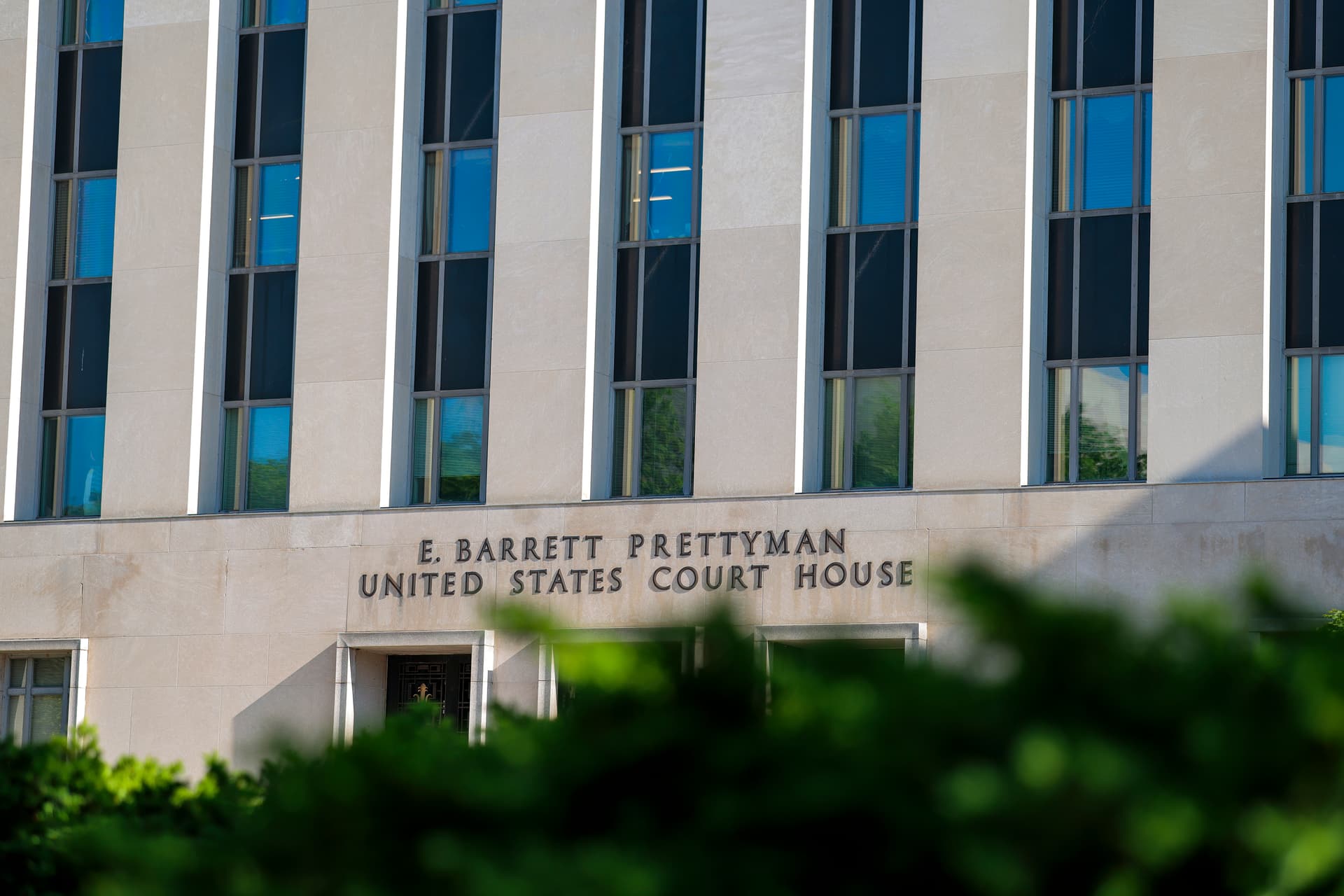
When Alan Jackson strode into Los Angeles Superior Court this week, his presence raised questions that extend far beyond the courtroom. The veteran defense attorney, known for commanding fees between $500 and $1,500 per hour and representing clients from Harvey Weinstein to Kevin Spacey, had just taken on one of Hollywood’s most disturbing cases. 

His new client, 32-year-old Nick Reiner, stands accused of murdering his parents, legendary director Rob Reiner and wife Michele Singer Reiner, in their Brentwood mansion on December 14.

Legal fees for high-profile murder defenses typically range from $200,000 to $2 million. Yet Nick Reiner has no known means to afford such representation. Several family insiders claim he has never held a steady job, instead living off his parents’ financial support.

This stark reality has spawned a darkly ironic question at the heart of the case: who is funding the defense of the man accused of killing Rob and Michele Reiner?

A Legal Loophole in the Slayer Statute

The answer appears to lie in an uncomfortable gap in California law. While the state’s Slayer Statute prevents convicted murderers from inheriting from their victims, nothing in California Probate Code 250 stops family members from using estate funds to pay for a defendant’s legal defense before conviction. 

In other words, the statute disqualifies someone convicted of felonious and intentional killing from inheriting property or serving as a fiduciary; however, that protection only activates after a guilty verdict.

“It is likely that Nick has independent funds due to his age. Furthermore, if his parents placed assets in a trust for him, those funds might not be blocked by the ‘Slayer Rule,’” California attorney Julian Chan told the New York Sun. “Because those assets were transferred into the trust before their deaths, rather than being inherited afterward, they may fall outside the law’s reach.”

Mr. Chan also observed that “trusts are a common tool for the wealthy to transfer assets while avoiding litigation.”

“They also allow parents to provide for ‘troubled children,’ as a trustee has the discretion to decide whether a request for funds is legitimate,” he continued. 

A family insider this week stated that the money funding Mr. Reiner’s elite defense is coming directly from Rob and Michele Reiner’s estate. A source close to Rob’s father, the late Carl Reiner, says the family’s decision to keep Mr. Jackson on the payroll is about more than just a legal defense. 

The goal is to keep Mr. Reiner out of prison and in a psychiatric facility instead, and family members are willing to tap into the Reiners’ $200 million fortune to make sure that happens.

Mr. Jackson’s résumé justifies his premium billing. In his former role as Assistant Head Deputy of the Los Angeles County District Attorney’s Major Crimes Division, he secured a 2009 murder conviction against music producer Phil Spector. Later, as part of his high-profile work in the private sector, he represented Karen Read, who was acquitted in June of murder charges, and Kevin Spacey in a sexual assault case that prosecutors eventually dropped.

A $200 Million Estate in Legal Limbo

It took Rob Reiner fifty years to build his $200 million legacy, starting with his breakout role on All in the Family and extending to directing A Few Good Men and The Princess Bride.

The real wealth, however, came from business; co-founding Castle Rock Entertainment led to massive windfalls from Seinfeld, culminating in a 1993 sale to Ted Turner that banked the family roughly $160 million.

Today, that fortune — including a $13 million Brentwood estate and a $15 million Malibu beach house — is at the center of a grim legal paradox. 

While California’s “Slayer Rule” is designed to keep killers from inheriting their victims’ wealth, it offers no protection against the costs of the trial itself. Ultimately, because Mr. Reiner hasn’t been convicted, there is nothing stopping the family trust from pouring his parents’ own money into his high-priced defense. 

Mr. Jackson did not respond to the Sun’s request for comment. 


The New York Sun

© 2025 The New York Sun Company, LLC. All rights reserved.

Use of this site constitutes acceptance of our Terms of Use and Privacy Policy. The material on this site is protected by copyright law and may not be reproduced, distributed, transmitted, cached or otherwise used.

The New York Sun

Sign in or  create a free account

or
By continuing you agree to our Privacy Policy and Terms of Use