

The Lincoln Navigator Is a $100,000 Wellness Spa on Wheels
The luxury SUV has a built-in meditation coach.
Luxury car brands may act fancy, but they really want to be hooligans.
The top models from BMW, Mercedes-Benz, Audi, and others are high-performance vehicles that leverage the many millions of dollars they spend to compete in races like the Monaco Grand Prix and the 24 Hours of Le Mans.
Even âgreenâ electric automakers like Tesla and Lucid aim to make headlines with incredibly quick cars that boast more than 1,000 horsepower and can sprint to 60 mph in less than two seconds.
Cadillac is on board with this trend, offering high-performance V-Series models across both its internal combustion and electric lineups, as it prepares to enter Formula 1 in 2026. The hulking Escalade V is the most absurd example.
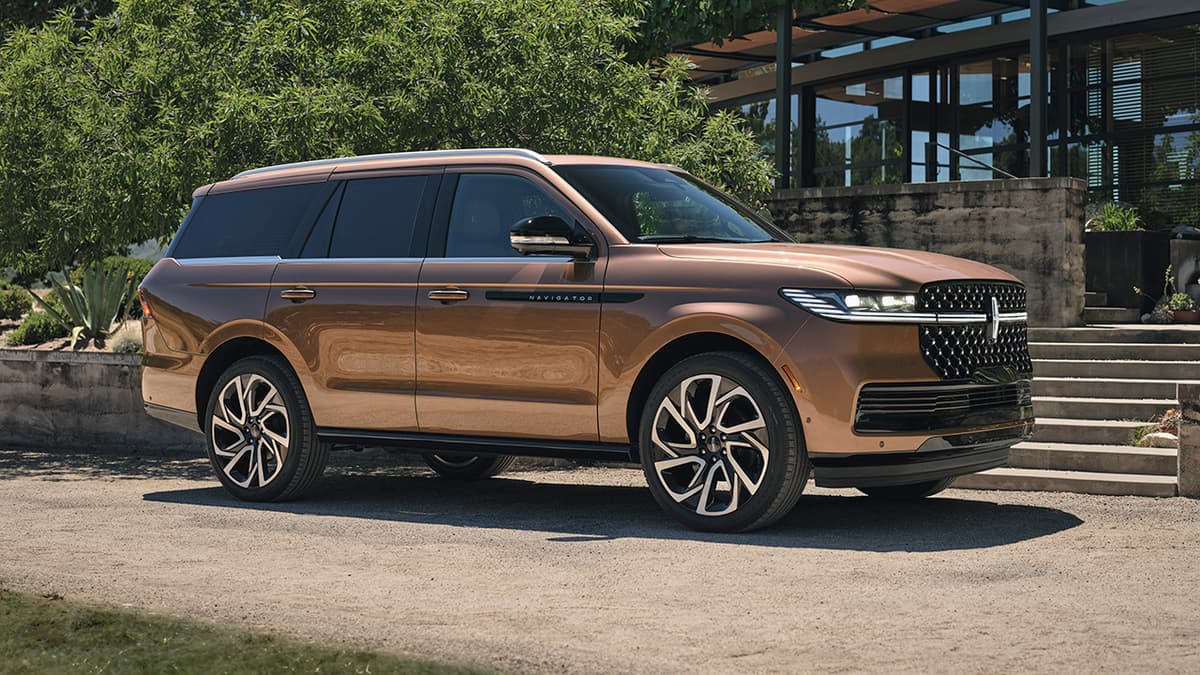
Lincoln, however, stands alone with no such aspirations. Cadillacâs closest competitor follows a brand philosophy it calls âquiet flight,â which is all about optimizing luxury. Its flagship model is the Navigator full-size SUV. It was updated for 2025 with all the comfort and convenience features Lincoln could stuff into it.
Navigator pricing starts at $99,995 and the fully loaded Black Label I recently tested checked out at more than $130,000, which makes it the most expensive Lincoln ever sold.

The Navigator has three rows of seating, and a stretched Navigator L with additional passenger and cargo space is available for an extra $3,000. All of them are powered by a turbocharged 3.5-liter V6 rated at 440 horsepower. That might sound like a lot, but itâs really just adequate in a vehicle that weighs three tons. The Navigator wonât win many drag races, but it can tow up to 8,700 pounds. Under the tuxedo, it is a truck.
It doesnât look like one on the inside. There is a 48-inch digital display that spans the entire dashboard. It encompasses the instrument cluster, navigation and several configurable modules that can be programmed to show the weather, tire pressures, and other things. A secondary touchscreen sits within the driverâs reach at the top of the center console.
The Navigatorâs steering wheel is rectangular with a flat top that makes it easier to see the screen. It is an oddity that takes some getting used to and needs to be adjusted to just the right position to offer a good view of the speedometer. To do that, you use a multi-functional touch-sensitive thumb pad on the wheelâs right spoke that also controls the mirrors and adjustable pedals.
A second pad on the left side works the cruise control. The Navigator is equipped with Lincolnâs Blue Cruise hands-free highway driving system. Blue Cruise provides lane-centering adaptive cruise control on more than 130,000 miles of pre-mapped highways, but requires one of several optional subscriptions to operate, due to the connectivity needed to keep it updated. Think of it as a part-time chauffeur.
The Black Labelâs front seats are heated, ventilated and have a massage mode, while the second-row power-adjustable captainâs chairs follow suit. Third-row passengers have to make do with just heating, but the seat backs do recline with the touch of a button.
The Navigatorâs computer-controlled shock absorbers, smooth-shifting 10-speed automatic transmission and full-time all-wheel-drive system live up to the âquiet flightâ billing. The silky ride could give a magic carpet a run for its money over the roughest pavement, even with the Black Labelâs enormous optional 24-inch wheels. The Black Label is so quiet that the 28-speaker Revel Ultima 3D audio system seems like overkill. Two speakers would probably do. Along with the sounds, it can also pump a selection of scents into the cabin through a built-in air fragrance system, so you donât need to hang an unsightly tree from the video rearview mirror.

The cosseting doesnât end when the journey does. Lincoln has collaborated with meditation app company Calm to design a multi-sensory Rejuvenate feature for the Navigator to use when it is parked, which is quite a trip itself.
There are several five-minute and 10-minute sessions to choose from that display soothing images like forests and waterfalls on the screens set to new age soundtracks. The front seats automatically recline and massage the passengers as a meditation coach joins in over the audio system.
She speaks in a monotone delivery that might remind you of Ms. Casey from the TV show âSeveranceâ and opens up by saying, âwelcome to this emergency Calm.â
âChances are if youâre playing this session, youâre in need of immediate stress relief,â she continues. âSo letâs take a few moments to come into our bodies and engage in some deep breathing.â
She goes on to guide you through the session, a bit loudly for my taste, but things do get pretty relaxing near the end. I canât say I didnât enjoy the full experience, but I would probably be just as happy with the massage and my favorite music while waiting for my son to finish soccer practice. Nevertheless, Calm says the app has around five million users, so it would seem there are a lot of people into this sort of thing.
The only downside is that you have to leave the engine on for it to work, due to all of the power required, so it can only be used outside and not in a no-idling zone. The ability to provide climate control and music without a motor running is one big advantage electric vehicles have over gas-powered ones.
They are also quieter when they are flying down the road, but the Navigator is probably as close as a vehicle with an internal combustion engine gets.