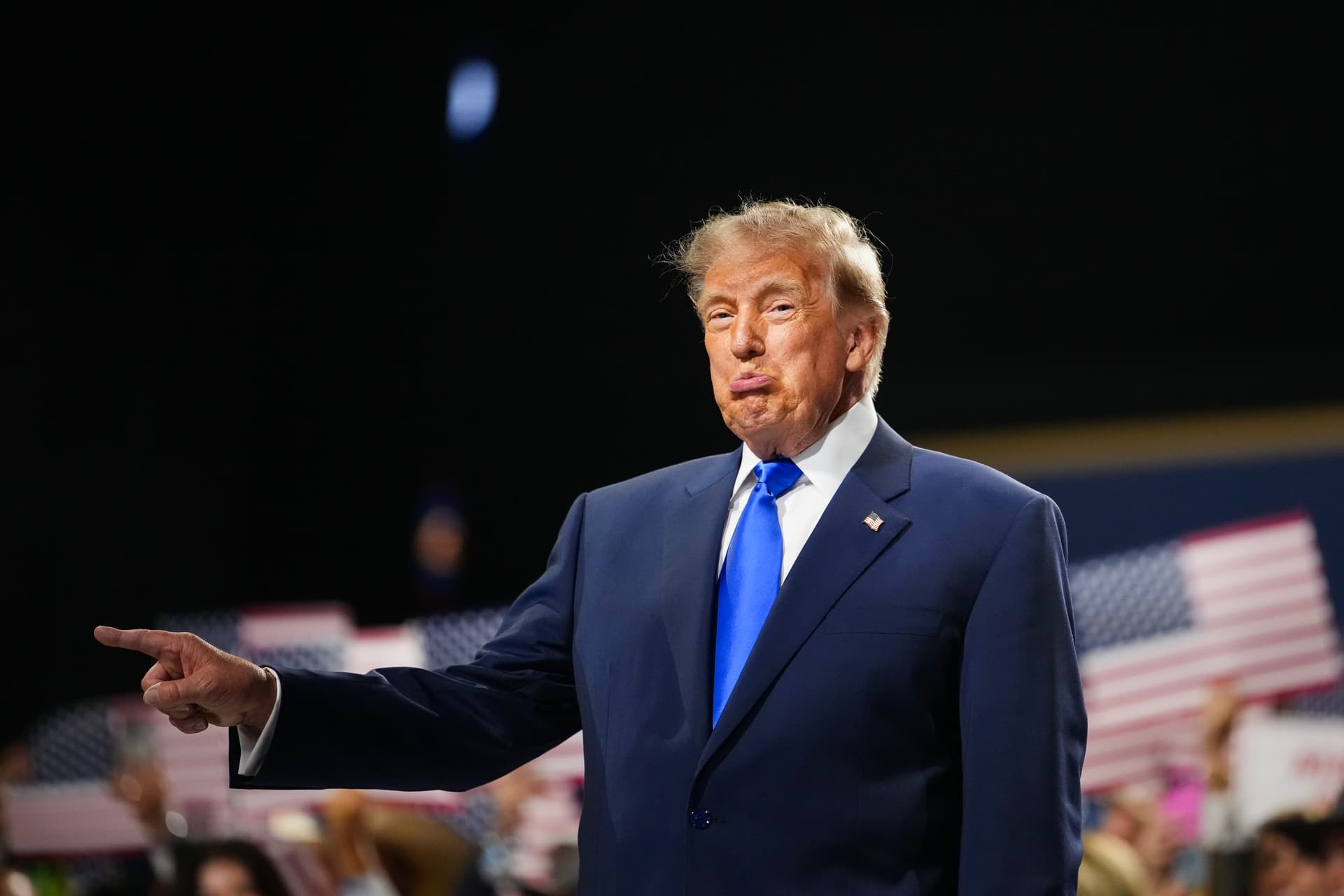
White House Drafting Executive Order Requiring Regulators To Fine Banks That Deny Access to Conservatives
Several banks have stated that nothing they do is the result of politics, but rather compliance with regulatory rules on money laundering and other financial risks.
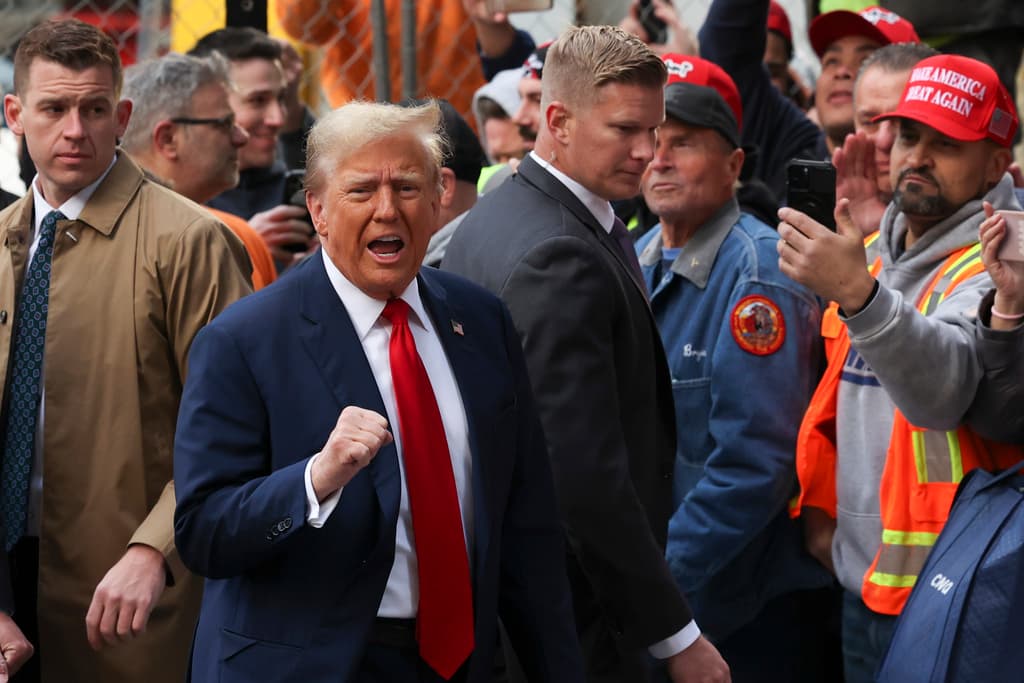

The White House is preparing an executive order to fine banks that allegedly drop customers for political reasons, an act that President Trump claims happened to him after pressure by Biden-era regulators to close his accounts.
The executive order, a draft of which was seen by the Wall Street Journal, would have bank regulators investigate financial institutions for violating the Equal Credit Opportunity Act, antitrust laws, and consumer financial protection laws if they are accused of denying services to customers. Violators would reportedly face monetary penalties, consent decrees, or other disciplinary measures.
Speaking Tuesday morning, the president claimed he was a victim of debanking, having been informed by America’s largest bank, JPMorgan, after he left the White House in 2021 that he had 20 days to remove hundreds of millions of dollars from the account. He claims he was also rejected by Bank of America and was forced to go to smaller banks to distribute his cash in increments of tens of millions.
“The banks discriminated against me very badly. And I was very good to the banks,” the president told CNBC’s “Squawk Box.” “But they discriminated against many conservatives. … I think the word may be more ‘Trump supporters’ rather than ‘conservative.’”
JPMorgan’s chief, Jamie Dimon, and the president have publicly feuded for years. Mr. Dimon resigned from the president’s economic advisory council during Mr. Trump’s first term over comments the president made following protests at Charlottesville, Virginia, involving white supremacists.
The two have reportedly reconciled to an extent since then, with Mr. Dimon saying the president has made some good decisions, though he objected to Mr. Trump’s tariff deals and is supportive of the Federal Reserve chairman, Jerome Powell. The two met at the White House late last week, after which Mr. Dimon suggested he had changed his position on tariffs, telling CNBC, “So far, so good.”
The draft order, according to the Journal, does not name any banks, but it does reference an incident in which Bank of America was accused of bias against a Christian organization operating in Uganda. At the time, the bank said it was not engaging in discrimination, but rather it does not service small businesses outside America.
The draft order reportedly also references several banks’ contributions to the investigation of January 6 rioters. At least a dozen defendants have said they were debanked following their arrests, prompting a 2024 investigation by the House Judiciary Committee.
On Friday, the president’s unofficial advisor, Laura Loomer, claimed she too was denied access to her Chase bank accounts. And in March, the Trump Organization and other plaintiffs sued Capital One bank in Miami-Dade’s Eleventh Judicial Circuit for allegedly closing 300 of their accounts shortly after the riots.
Several banks have stated that nothing they do is the result of politics, but rather compliance with regulatory rules on money laundering and other financial risks, like lack of clarity over cryptocurrency.
The Republican-led Senate has made it a priority to address debanking and “reputational risk,” the act of disfavoring legal businesses like pawn shops and gun sellers because of the type of business they conduct. The chairman of the Senate Banking Committee, Tim Scott of South Carolina, called the practice un-American and accused Biden-era regulators of abusing the method “to carry out political agendas and force financial institutions to cut off access to financial services for Americans.”
In March, three regulators, including the Federal Reserve, announced they would remove reference to reputational risk in their supervisory documents for banks.
In April, the Department of Justice launched a task force to work with federal financial regulatory agencies “to systematically address and combat unlawful debanking.”