
You Don’t Need Protein-Stuffed Food. Just Buy Whey.
In the craze around protein, people buy overpriced stuff they don’t need when whey protein is a cheap option.

Over the last couple of years, some good health advice has been taken out of context and has gone entirely out of proportion. Namely, that most people should be eating more protein. The general health benefits — from improved cognitive and physical function to increased muscle retention and fat loss over time — are well-supported, and it’s hard to go wrong by increasing protein in your diet.
The government’s nutritional guidelines— recommending 0.8 grams per kilogram of body weight, or approximately 56 grams daily for men — are significantly lower than what most people should consume, and most people, particularly men, should aim for 1.6 to 2.0 grams per kilogram of body weight per day. The nutrition science and sports science literature supports this, and I’m glad it’s become more mainstream. But over the past few years, the food market has caught on to the need for more protein, and now every single food item you can think of has a protein variant. There are protein ice creams, protein bars, protein smoothies, protein cereal, protein pasta, and protein-infused non-alcoholic beer. Some of them are tasty, and many are fun to try, but they’re unnecessary.
Some clever items utilize proprietary ingredients to achieve incredible, unbeatable macros — David Bars come to mind — but these are the exception, not the rule, and most “protein foods” are simply versions of regular food in smaller packages with whey — or lesser-quality proteins — added to them.
In other words, you could buy whey and regular mac and cheese, or you could pay significantly more for a combination of both, in a smaller, worse-tasting portion. Not only is this a rip-off, it’s misleading. Compare the calories and macros of a protein mac and cheese with a normal one, and you’ll find that the protein version has about the same calories, but that’s only because it has a significantly smaller portion at a substantially higher price—and not that much protein.
Similarly, a classic chocolate bar doesn’t have that many more calories than the average protein bar, which usually tastes significantly worse, costs twice as much, and doesn’t actually have that much protein.
And these items aren’t suddenly “healthy.” Eating chocolate bars in moderation is far healthier than downing multiple protein bars a day.
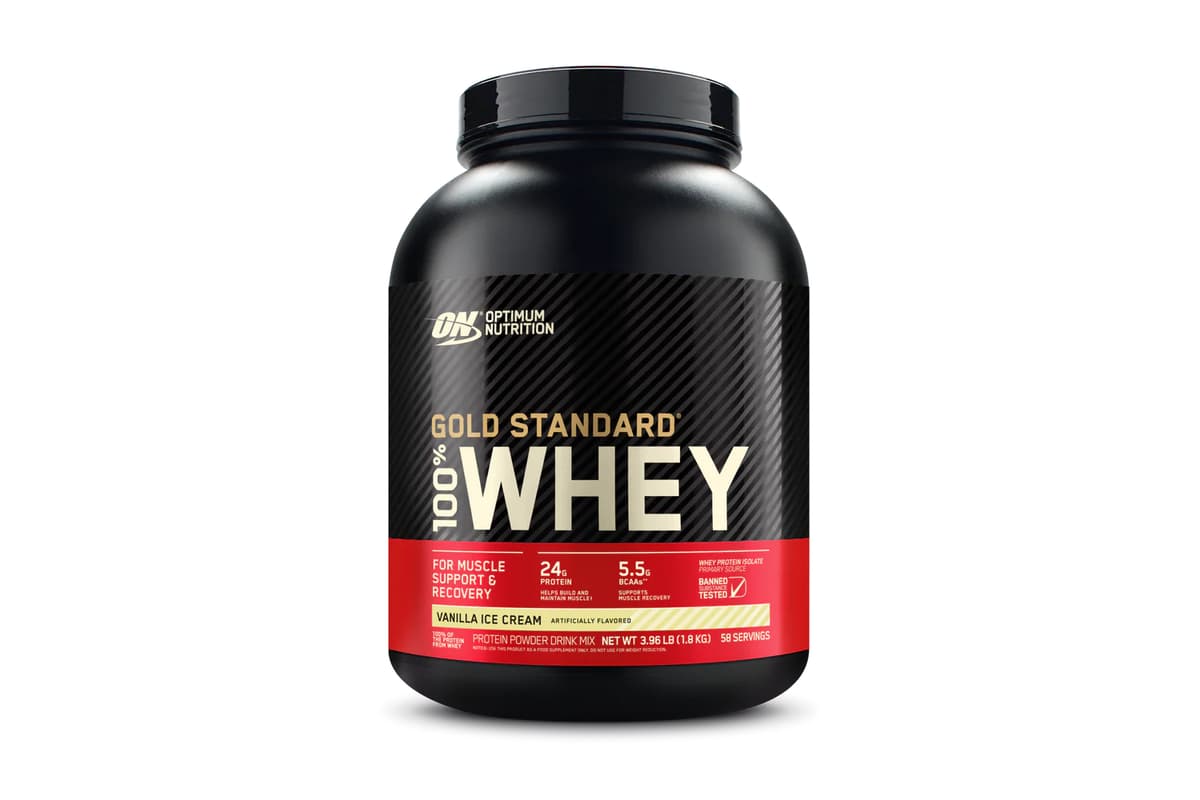
And all of this is a pity because, if you want to increase protein in your diet, there’s a straightforward, inexpensive way to do so: buy whey protein. A single scoop of vanilla whey shaken with whole milk is easy to drink, cheap to buy, and relatively tasty. If you don’t want milk regularly, or if that’s too many calories, consider buying a clear whey protein, which you can mix with water.
For a classic whey, Optimum Nutrition is the gold standard for a reason. It’s whey is cheap, high-quality, and has the best macros on the market. My only recommendation when buying whey is to opt for either unflavored or vanilla; more ambitious flavors, like pistachio ice cream or tiramisu, tend to be horrendous.
In clear whey, you have fewer options in terms of flavors, but I would recommend Bulk’s Blue Raspberry one, or MyProtein’s Peach Iced Tea. Neither tastes incredible, per se, but they’re tasty enough, very drinkable, and significantly cheaper than dumb protein-stuffed food.
You should eat more protein. So eat more chicken, try some protein shakes, and use legumes more often. Don’t buy protein-stuffed, over-processed rubbish.