From Purity to Parlays: NCAA Embraces a New Reality in College Sports

Sports betting joins NIL and the transfer portal in reshaping college sports.
Alonzo Adams/AP
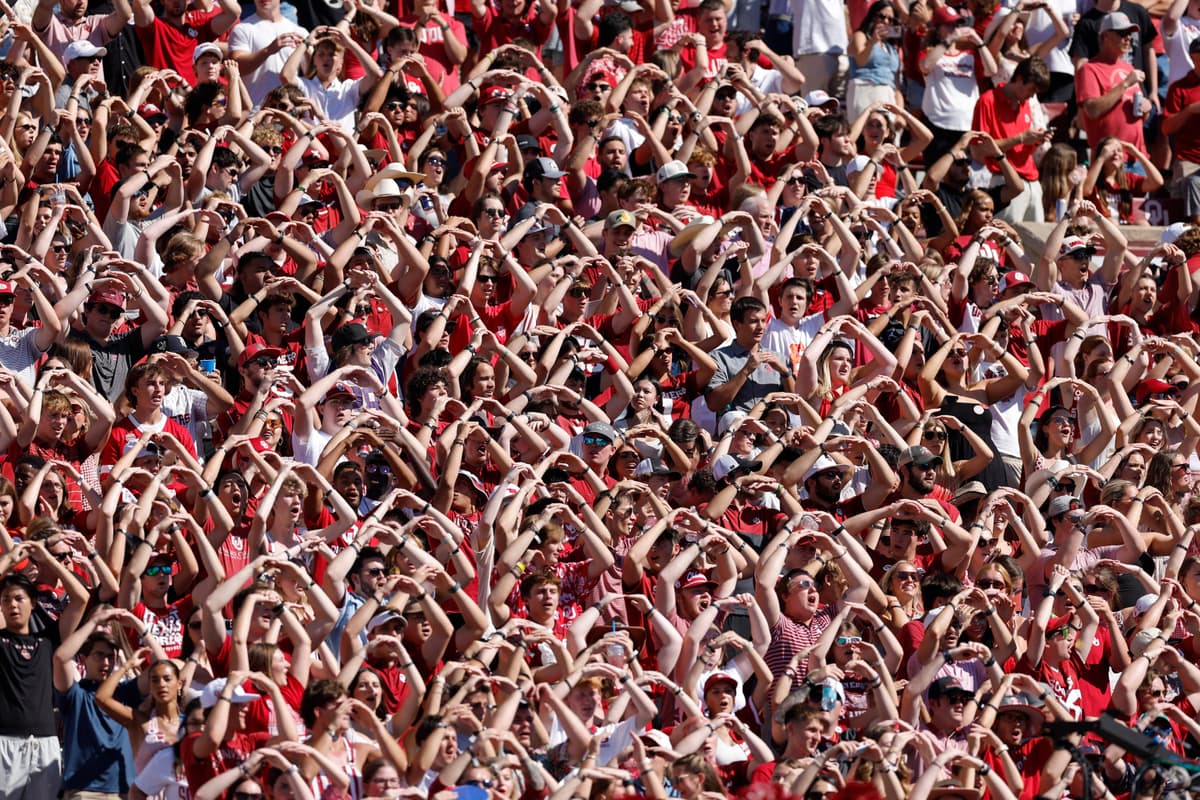
Oklahoma fans cheer for their team during the first half of an NCAA college football game at Norman, Oklahoma, on October 4, 2025. Alonzo Adams/AP

The NCAA’s proposal to allow Division 1 student-athletes and athletic department staff to bet on professional sports marks more than just a policy shift; it represents a cultural reckoning — the moment college sports administrators abandoned the last pretense of athletic purity.

For decades, the NCAA’s message on gambling was clear: Don’t do it. What was once a shadowy, backroom activity whispered about in dorms and conducted through offshore websites is now an acceptable part of being a student athlete. Zero tolerance has given way to the reality of the modern sports experience by allowing student athletes and athletic department staff  to place legal wagers on professional sports.

The NCAA Division 1 Administrative Committee this week adopted the new policy after admitting that prohibiting the practice had become difficult to enforce. The change requires approval from Divisions II and III, whose leadership will meet later this month. If approved, the new policy could take effect on Nov. 1.

The director and chair of the NCAA committee, Josh Whitman, said the policy aligns student-athletes with their on-campus peers. “This change allows the NCAA, the conferences, and the member schools to focus on protecting the integrity of college games while, at the same time, encouraging healthy habits for students-athletes who choose to engage in betting activities on professional sports,” Mr. Whiteman said. 

The new policy only impacts betting on professional sports. Rules prohibiting student athletes and athletic staff from betting on college sports or sharing information about college competitions with other bettors remain in place.

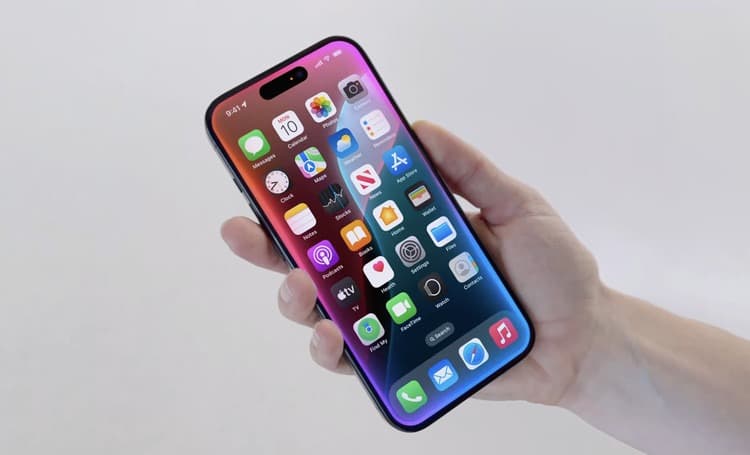
The NCAA said the proposal will allow the organization to make better use of its enforcement resources. The current rule has become nearly impossible to enforce in an age where betting apps sit on every smartphone.

The NCAA reported it is currently investigating 14 student-athletes from seven schools for potential gambling violations. The severity of the violations can vary, and the NCAA has pledged to continue investigating those that might compromise the integrity of college athletics

“Our focus will remain on those cases and those behaviors that impact the integrity of college sports most directly,” said the NCAA vice president of enforcement,Jon Duncan.

Though sports betting sites are featured prominently during the broadcast of college football and basketball games, the NCAA insists the rule change isn’t an endorsement of sports betting for student-athletes. They say their goal is to promote education and transparency over punishment.

“By removing unnecessary barriers, we are hopeful that student-athletes and athletic administrators will feel empowered to come forward, seek help, and engage in open dialogue without fear,” the NCAA said in a statement.

“We are hopeful, and expecting, that the NCAA and its membership will meet student-athletes halfway by providing the necessary education, resources and support systems to ensure well-being and integrity remain at the core of college athletics.

Mental health advocates question whether there are enough support systems in place to handle the stress sports betting can cause among student-athletes who are already under pressure to perform.

“We know from some schools this isn’t a priority,” a mental health advocate, Emmett Gill,  told the Sun. He added that gambling “is one of the pillars of sports now, and the mental toll it takes can’t be ignored.”

According to a 2024 NCAA survey of 21,000 student athletes, most wagers are for less than $50. About 5 percent of male athletes surveyed reported single-day losses of $500 or more.

The same survey showed a significant percentage of student athletes have encountered betting-related harassment in some form and it isn’t limited to the major sports. While 17 percent of Division 1 men’s basketball student-athletes reported such harassment, 21 percent of those competing in Division 1 tennis also experienced some harassment.

Fewer than 1 percent of those surveyed acknowledged knowing a teammate who was asked to try to influence the outcome of a game or who accepted money or other reward for playing poorly. But NCAA researchers admitted those numbers might be underestimated.

“It’s difficult, if not impossible, to get a true point estimate of the percentage of Division 1 men’s basketball and football players involved in behaviors such as providing inside information, betting on their team’s own games or altering play for wagering purposes,” researchers said. They noted that stigma and fear of punishment often keep athletes from speaking honestly.

NIL and the money that can be generated playing college sports has bulldozed the notion of amateur college athletes, while the college portal has instituted a means of annual free agency making college sports even more professionalized. Now sports gambling by student-athletes is being embraced.

“The world around college sports has changed dramatically,” said the NCAA’s chief medical officer, Dr. Deena Casiero. “Abstinence-only approaches for college-aged individuals often fail. Education, honesty, and open dialogue about the risks are more effective.”


The New York Sun

Š 2025 The New York Sun Company, LLC. All rights reserved.

Use of this site constitutes acceptance of our Terms of Use and Privacy Policy. The material on this site is protected by copyright law and may not be reproduced, distributed, transmitted, cached or otherwise used.

The New York Sun

Sign in or  create a free account

or
By continuing you agree to our Privacy Policy and Terms of Use