Jack Smith Appears in England With a Foe of Trump — Andrew Weissmann — and Denounces Allegations of a Politicized Prosecution as ‘Ludicrous’
The special counsel could soon face a subpoena from congressional Republicans.
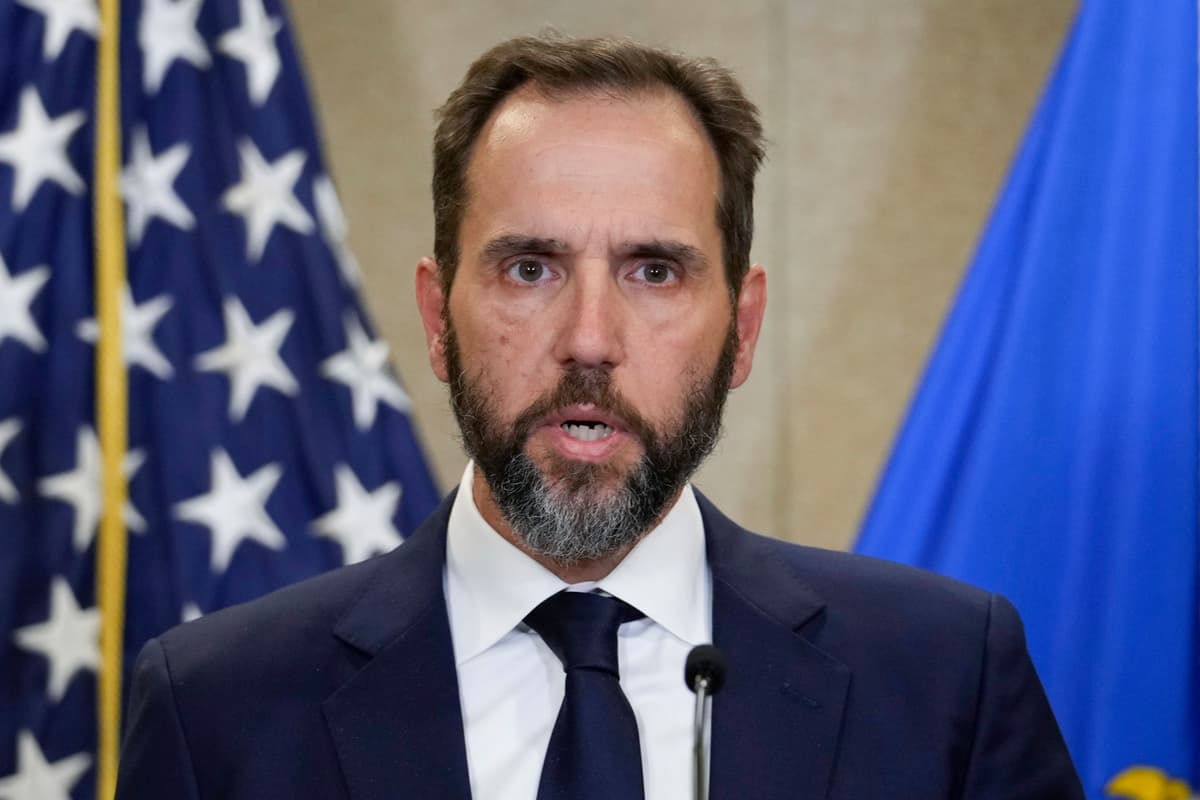
Special Counsel Jack Smith’s full-throated defense of his tenure as the nation’s highest-profile prosecutor — at London, of all places — puts into sharp relief the emerging question of whether he’s preparing to be prosecuted by President Trump.
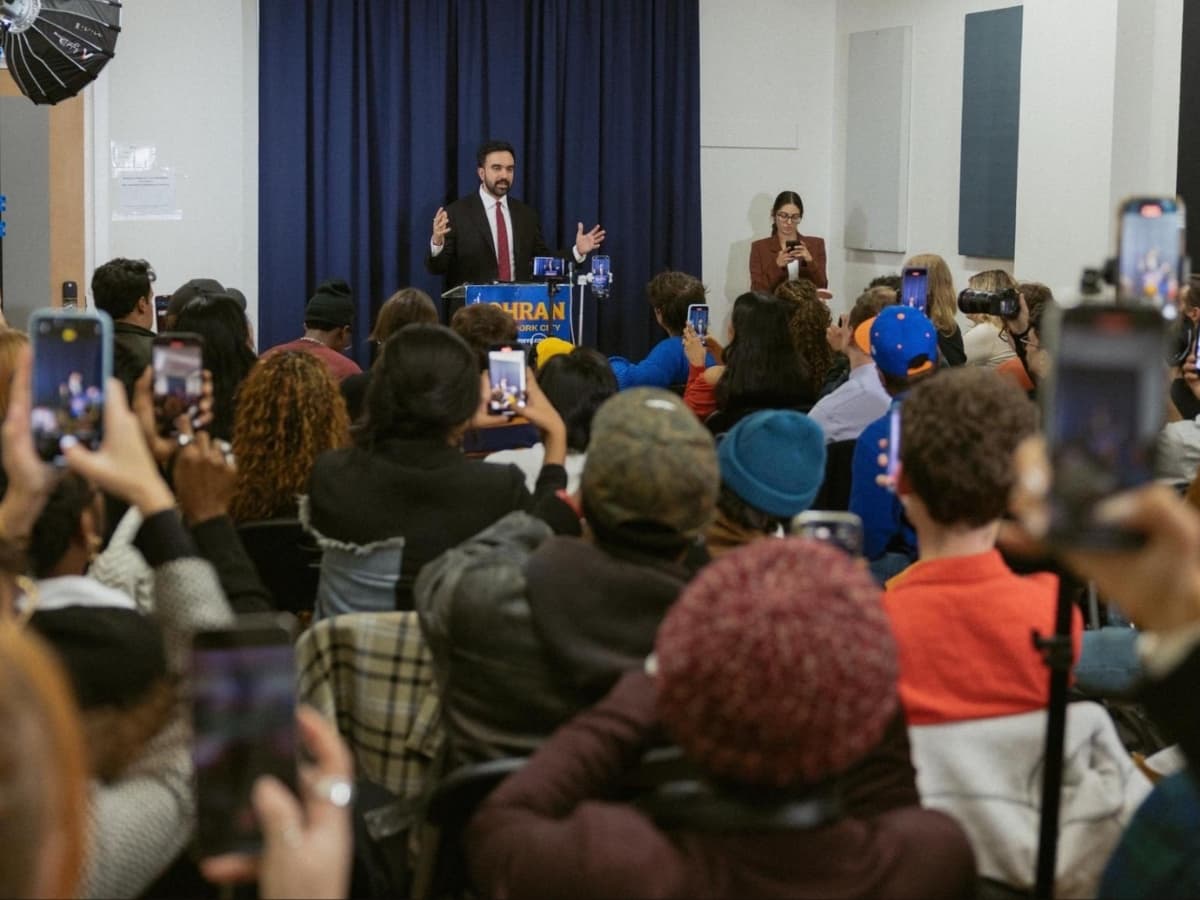
Mr. Smith delivered remarks during an hour-long public interview with another attorney, Andrew Weissmann, at University London College of Laws. Mr. Weissmann, a fierce opponent of Mr. Trump who is a paid MSNBC contributor, served as Special Counsel Robert Mueller’s primary deputy during the investigation into Russian interference in the 2016 election.
Mr. Smith is no stranger to the Old World’s legal elite. Before he was handpicked by Attorney General Merrick Garland to pursue Mr. Trump, Mr. Smith, a career federal prosecutor, was on secondment to the Hague, where he was prosecuting war crimes, mostly related to Kosovo in the 1990s. That experience turned out to be an Achilles heel when he was disqualified from the Mar-a-Lago case by Judge Aileen Cannon. She ruled that his lack of Senate confirmation meant that his exercise of the prosecutorial power was unlawful.
The erstwhile special counsel told Mr. Weissman in respect of his two prosecutions of Mr. Trump that “the idea that politics played a role in who worked on that case, or who got chosen, is ludicrous.” He also blasted the Trump administration’s Department of Justice, declaring, “Nothing like what we see now has ever gone on. There are rules in the department about how to bring a case — follow those rules. You can’t say: ‘I want this outcome. Let me throw the rules out.’”
Mr. Smith also defended the staff who were seconded to his investigations, all of whom were fired by Attorney General Pam Bondi once Mr. Trump returned to the White House. The prosecutor said of his team: “They do not like to tell their own story. They cannot start a sentence with I; they start that with we. These are team players who don’t want anything but to do good in the world. They’re not interested in politics.”
On his podcast, the political journalist Mark Halperin said of Mr. Smith’s denials that, purely based on the facts, “That’s a lie. He tried to move the case before the election. And he didn’t do that in the normal course of business. He did it for politics.”
The Trump administration also doesn’t appear to agree that Mr. Smith was neutral. It is investigating Mr. Smith for violating the Hatch Act. That federal law bars federal employees from undertaking political activity meant to sway elections. The referral came from Senator Tom Cotton, who reckons that “many of Smith’s legal actions seem to have no rationale except for an attempt to affect the 2024 election results.”
Mr. Smith did move with considerable speed. His penchant for haste was abetted by Judge Tanya Chutkan, an appointee of President Obama who repeatedly denounced Mr. Trump from the bench for his alleged pretensions of grandeur, saying, “Presidents are not kings.” Judge Chutkan sided with Mr. Smith in ruling that she would not take the election into consideration when scheduling the case, even if it meant Mr. Trump would have been in a courtroom at the height of the 2024 fall campaign season.
Mr. Smith, who resigned days before Mr. Trump swore the oath for a second time, left his post convinced that if Vice President Kamala Harris had won the election, Mr. Trump would have been convicted. The special counsel’s final report contends that “but for Mr. Trump’s election and imminent return to the Presidency,” Mr. Smith would have secured a guilty verdict. He argued that to have failed to charge Mr. Trump “on the facts developed during our work would have been to shirk my duties as a prosecutor and a public servant. After nearly 30 years of public service, that is a choice I could not abide.”
Mr. Trump, who frequently characterized Mr. Smith as “deranged,” ventured after the release of the report that “Jack is a lamebrain prosecutor who was unable to get his case tried before the Election, which I won in a landslide. THE VOTERS HAVE SPOKEN!!!”
Mr. Smith wrote that the “claim from Mr. Trump that my decisions as a prosecutor were influenced or directed by the Biden administration or other political actors is, in a word, laughable.”
Mr. Smith’s need for speed was spurred by the lateness of his appointment by Mr. Garland. In April 2022, the Biden White House telegraphed to Mr. Garland via the New York Times that President Biden “confided to his inner circle that he believed former President Donald J. Trump was a threat to democracy and should be prosecuted” and that “he wanted Mr. Garland to act less like a ponderous judge and more like a prosecutor who is willing to take decisive action.”
Despite this message sent through the press Mr. Garland waited until November 2022 to appoint Mr. Smith, days after Mr. Trump declared his intention to retake the White House. That compressed timetable which made it extremely unlikely that even the most efficient prosecutor could win a conviction in only two years.
Mr. Smith could soon be required to make the assertion that he was not influenced by the White House under oath and before Congress. Earlier this week the chairman of the House Judiciary Committee, Jim Jordan, sent a letter summoning Mr. Smith to appear at the lower chamber. Mr. Jordan, a Republican, writes that Mr. Smith’s “testimony is necessary to understand the full extent to which the Biden-Harris Justice Department weaponized federal law enforcement.”
Mr. Jordan adds that Mr. Smith is “ultimately responsible for the prosecutorial misconduct and constitutional abuses of your office.” Lawmakers, though, have not yet issued a subpoena, which could be coming in the not too distant future. The ratcheting up of pressure on Mr. Smith follows the disclosure that his investigation into January 6, code-named “Arctic Frost,” involved the review of telephone data from a number of top GOP lawmakers including eight senators.
If a subpoena is issued and Mr. Smith refuses to testify, Ms. Bondi’s DOJ could pursue criminal contempt charges. Her predecessor, Mr. Garland, did just that when two of Mr. Trump’s advisors, Stephen Bannon and Peter Navarro, failed to appear before the House January 6 committee. They both served four months in prison for their recalcitrance.
Mr. Smith, who for months was silent after Mr. Garland published his final report on the election interference case, appears to be finding his footing in the spotlight. Last month he delivered an endowed lecture at George Mason University, where he declared that “what I see happening at the Department of Justice today saddens me and angers me.”
As Mr. Smith emerges as a more visible foe of Mr. Trump, a crucial part of his work is under lock and key. The publication of the special counsel’s final report on the Mar-a-Lago prosecution, blocked by Judge Cannon, is now being urged in federal court. Nothing, though, would prevent Mr. Smith from summarizing its contents to the public.