
A Liberal Backlash to Jack Smith Could Complicate the Special Counsel’s Quest To Tell His Story
The special counsel is back in the spotlight — and criticism could come from all quarters.
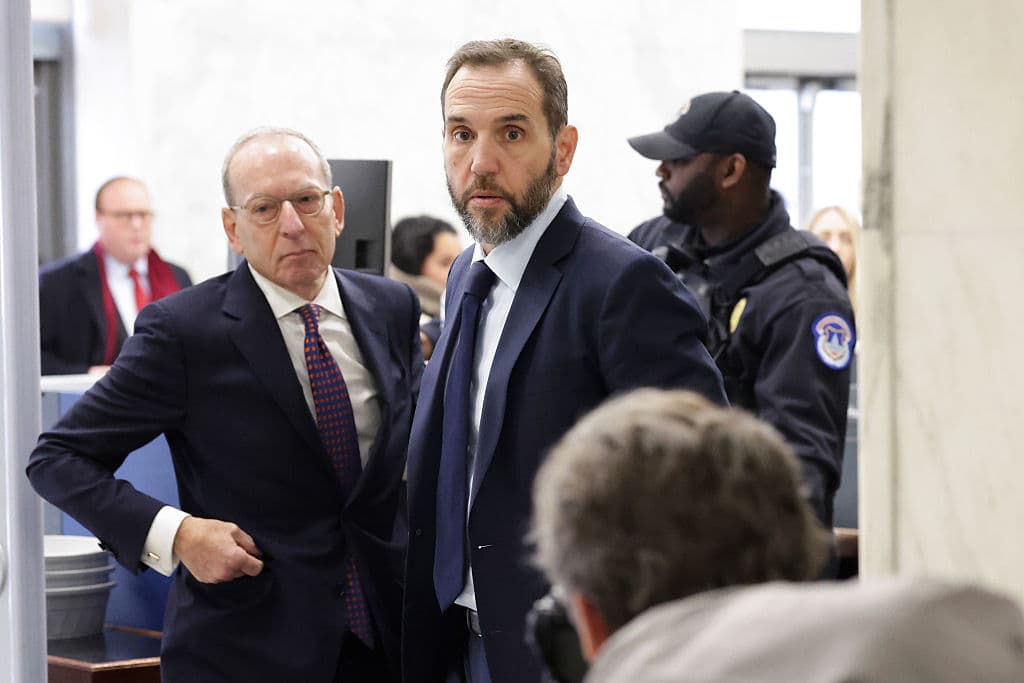
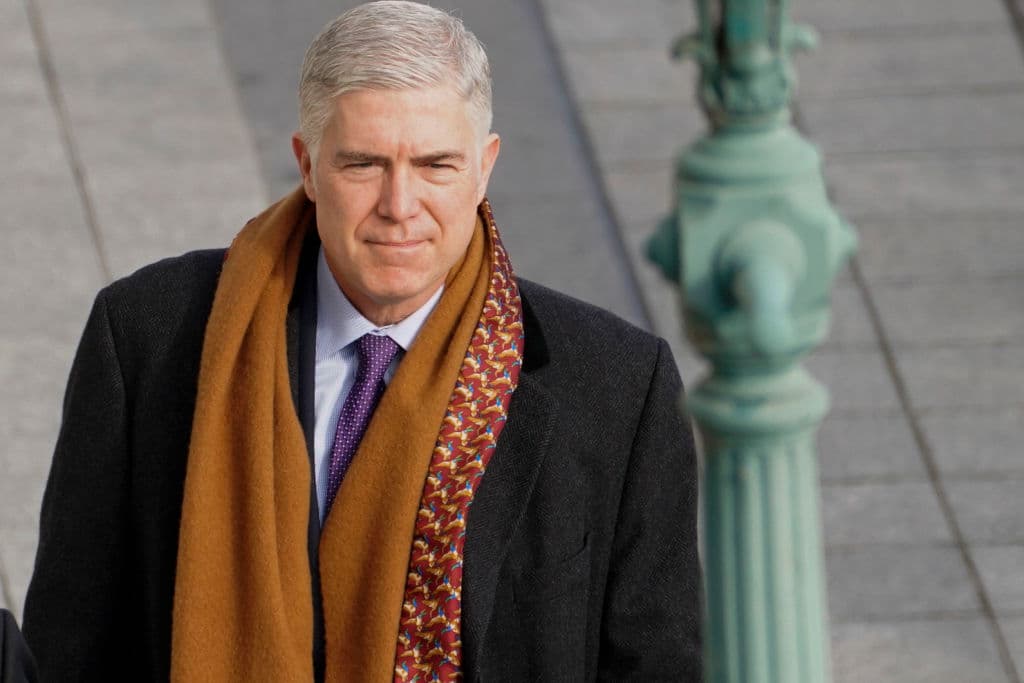
Special Counsel Jack Smith, who has long been a bête noire of President Trump and his Republican allies, is increasingly facing flak from the other side of the aisle — critics of the 47th president who are still stewing that Mr. Smith failed to secure a conviction.
Mr. Smith, to be sure, has become something of a folk hero among Democrats who thrilled to his legal pursuits — unsuccessful though they were — of Mr. Trump. Congressman Jaime Raskin in a statement earlier this month declared that Mr. Smith “followed well-established legal principles, protocols, and guidance at every step of this investigation into an attempted political coup and insurrection.”
Criticism of Mr. Smith, though, is emerging, and not just among Republicans. One former federal prosecutor, James Zirin, writes in the Hill this week that “Jack Smith should be investigated for incompetence.” Mr. Zirin declares that Mr. Smith, “who pursued Trump with the zeal of Inspector Javert, came up empty handed” and that Mr. Smith’s “clock management and strategic thinking were pathetic. He was oblivious to the reality that there would have to be a final whistle” in the form of the 2024 election.
Mr. Zirin also takes to task Attorney General Merrick Garland, who waited some two years after the events of January 6, 2021 to appoint Mr. Smith. Mr. Smith was named to the post days after Mr. Trump declared his intention to retake the White House. Mr. Zirin reckons that Mr. Garland “really did not need to appoint a special counsel. The special counsel ultimately reported to the attorney general.”
Mr. Smith has also attracted withering criticism from his own team over his decision to bring the classified documents case in Florida rather than at the District of Columbia. The Washington Post reports that one of Mr. Smith’s chief deputies, David Raskin, called that decision “insane,” to which Mr. Smith responded “I’m not worried about Florida.” Mr. Raskin called the possibility that the case would be assigned to Judge Cannon an “existential threat.”
In the event Judge Cannon was assigned the case, and she proved to be skeptical of the government’s case throughout. She eventually ruled in the summer of 2024 that Mr. Smith had been unlawfully appointed by Mr. Garland — he was never confirmed by the senate — and dismissed the charges against Mr. Trump and his two co-defendants, Waltine Nauta and Carlos De Oliveira. Mr. Smith’s appeal was dropped when Mr. Trump won reelection.
Mr. Smith, who still claims that he adduced evidence to convict Mr. Trump “beyond a reasonable doubt,” bowed to the Department of Justice’s determination that there is a “categorical” ban on criminal prosecuting a sitting president. In his final report on the January 6 case he wrote that “but for” Mr. Trump’s reelection he could have convicted him. Mr. Smith reiterated that claim in his closed door testimony to Congress last week.
The end of Mr. Smith’s cases marked the beginning of an escalating campaign of pressure from Mr. Trump’s allies. Senator Tom Cotton recommended that Mr. Smith be investigated for violating the Hatch Act, a law that bars some federal employees from taking actions meant to influence the outcome of elections. Congressman Jim Jordan, who chairs the House Oversight Committee, subpoenaed Mr. Smith to testify under oath about his prosecutions of Mr. Trump. That session took place last week, though Mr. Smith is still maneuvering for a public hearing.
Republican lawmakers are also readying to interrogate Mr. Smith about “Operation Arctic Frost,” his probe of Mr. Trump for election interference that involved the surveillance of telephone metadata from eight Republican senators and one congressman. Mr. Smith secured not only the search warrants needed to conduct this surveillance, but also “do not disclose” orders that prevented the solons from discovering that they were being monitored.
Mr. Smith is pushing to make any of his further testimony public, possibly sensing that his best tactic to defend his record is to speak directly to the American people, even without the protection of immunity. His attorneys are also petitioning to make public the video of the eight hours of testimony he delivered last week. Mr. Smith did not once invoke the Fifth Amendment’s protection against self-incrimination during that session.