City Council Push To Give Nonprofits First Option on Distressed Buildings Would Worsen New York’s ‘Affordable’ Housing Crisis
The problem with so-called legacy buildings is not private ownership but rent regulations and rising property taxes driving them into financial distress and even foreclosure.
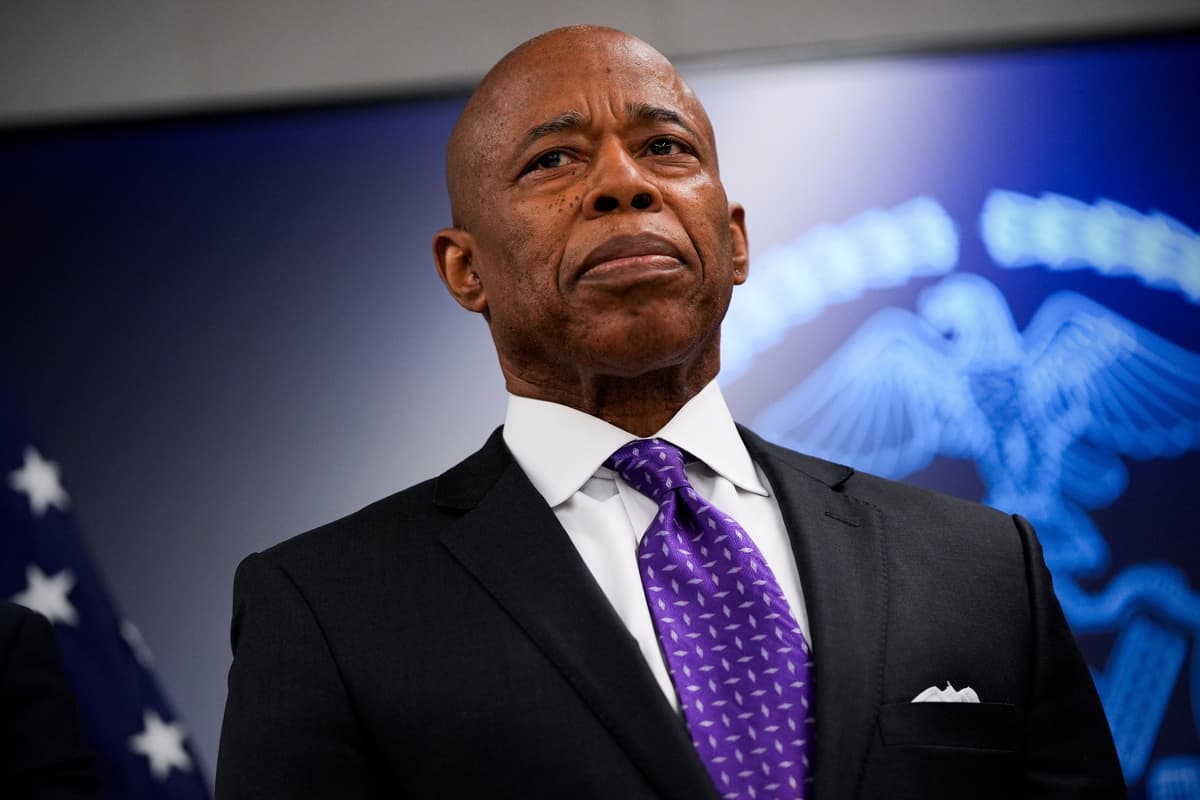

Mayor Eric Adams, with just a short time left in office, is taking rational steps to prevent the housing policy disaster that his successor Zohran Mamdani threatens to usher in. Mr. Adams has appointed four members to the nine-member Rent Guidelines Board. These appointees will likely resist and delay Mamdani’s signature rent freeze for at least a year — based on the fact-based view that landlords are people too and face an array of rising costs, as they struggle to maintain the city’s aging buildings.
The same rational policy sense would dictate Mr. Adams’s response to the Community Opportunity to Purchase bill, just passed by the City Council. It promises to preserve affordable housing by giving “qualified non-profits” the first right to purchase distressed buildings, of which there are now hundreds in the Bronx alone, thanks to the revenue tourniquet of rent stabilization law. Mr. Adams would be wise to veto it and do what he can to convince the City Council to sustain his veto.
There is no reason to think that nonprofit owners will better manage or maintain aging buildings than for-profit landlords — and, indeed, the record shows otherwise. Especially when, as per NYU’s Furman Center, apartments in the Bronx alone are operating at a monthly loss, even as they face decades of deferred maintenance, thanks to the fact that owners can’t raise rents even when they make major upgrades.
The Community Opportunity to Purchase law will throw distressed buildings into real estate limbo, giving a first right of purchase to nonprofits for six months, presumably after their owners enter bankruptcy or mortgage foreclosure. It’s a necessary step, per the Brooklyn City Council member who sponsored the bill, Sandy Nurse, because she fears that international venture capitalists are going to swoop in to buy and milk buildings.

Ms. Nurse, when the bill passed Thursday, crowed that “today marks the beginning of a new social housing era in New York City, one where working New Yorkers advance tools to stop the venture capitalists who are driving up rents and pushing families out of their neighborhoods.” The new law, she added, “levels the playing field and makes it possible to preserve and create thousands of permanently affordable homes across the city.”
It’s unrealistic, though, to think that any sharp investor is going to buy a typical outer-borough building built before 1974 in a city where tenants routinely fail to pay rent and landlords face a complex and lengthy eviction process.
The problem with these so-called legacy buildings is not that they’re owned by private landlords but that rent regulation and rising property taxes are driving them into financial distress and even mortgage foreclosure. A Furman Center analysis of 456,000 such units in 16,000 buildlings aimed at “understanding the financial pressures” faced by these buildings found that net operating income — in other words, profit — declined, after inflation, between 2019 and 2025 to the point that “tightening operating margins that may limit the ability of owners to invest in building upkeep.”
Since net operation income “represents the resources available after operating expenses,” the Furman Center added, the declines in profit “reduce the cushion available to plan for repairs, build reserves, or manage unexpected increases in costs.” These are not high-rent buildings: average rents are less than $1,344 per month. Yet they are taxed highly, rising to $3,082 per year from $2,843 a year over the five years studied.

Memo to Mr. Mamdani and the City Council: The problem here is not avaricious landlords but rent laws and taxes that are driving thousands of units into distress and subjecting tenants to poor maintenance.
There’s an even larger flaw in the Council’s thinking: Nonprofit management does not do anything to improve the situation. Nonprofit owners would face the same set of financial pressures — even as they may well lack the management expertise needed to survive in the city’s regulatory jungle. Indeed, the existence of nonprofit “affordable” developers at all is an artifact of history.
When the Bronx was plagued by arson and abandonment in the 1970s — thanks, in part, to rent regulation — tenant groups, some of whom were squatting in derelict buildings, emerged as the first nonprofits. Some — notably the Nehemiah Homes ownership, not rental, project in the South Bronx — helped save neighborhoods and allowed buyers to build wealth. Yet the real solution was an influx of immigrants and new demand for housing, not nonprofit management.
Indeed, some nonprofits could well be confused with slumlords. One Harlem church-based nonprofit, Harlem Congregations for Community Improvement, received more than $240 million in city, state, and federal funds to provide low-income housing — but its 19 buildings at one point accumulated “hundreds of citations for trash accumulation, inadequate heat, mold in apartments and sewage in hallways,” reports the Chronicle of Philanthropy. Tenants in a building on West 118th Street owned by the Canaan Baptist Church went without heat and hot water for more than a month in December, 2023, CBS News reported.

Transferring building ownership to nonprofits will not release the financial pressure created by the constrictions of legally mandated low rents, increasing taxes, as well as rising heat and insurance costs. The full four-year rent freeze promised by Mr. Mamdani will make matters much worse, creating the financial distress that the Council seems to expect nonprofit ownership will relieve.
The waning Adams administration shows signs of understanding all this. In a statement regarding the City Council’s overall package of last-minute housing bills — including one micro-management measure that would specify how many bedrooms subsidized apartments should have, Mr. Adams’s deputy mayor for communications, Fabien Levy, said that the bills “would add red tape,” and “drive up rents.”
Mr. Levy adds that “these short-sighted bills would not only worsen the affordability crisis but will also sandbag the incoming mayor and speaker.” Mr. Levy did not disclose whether Mr. Adams will veto the proposals but, unusually these days in New York City government, there’s some reason to be optimistic a bad bill will not become law.