

Coming Generic Versions of GLP-1 Drugs Expected To Boost Global Use of Popular Anti-Obesity Treatments

Canada is the first country that is preparing to approve lower-cost generic weight loss drugs.
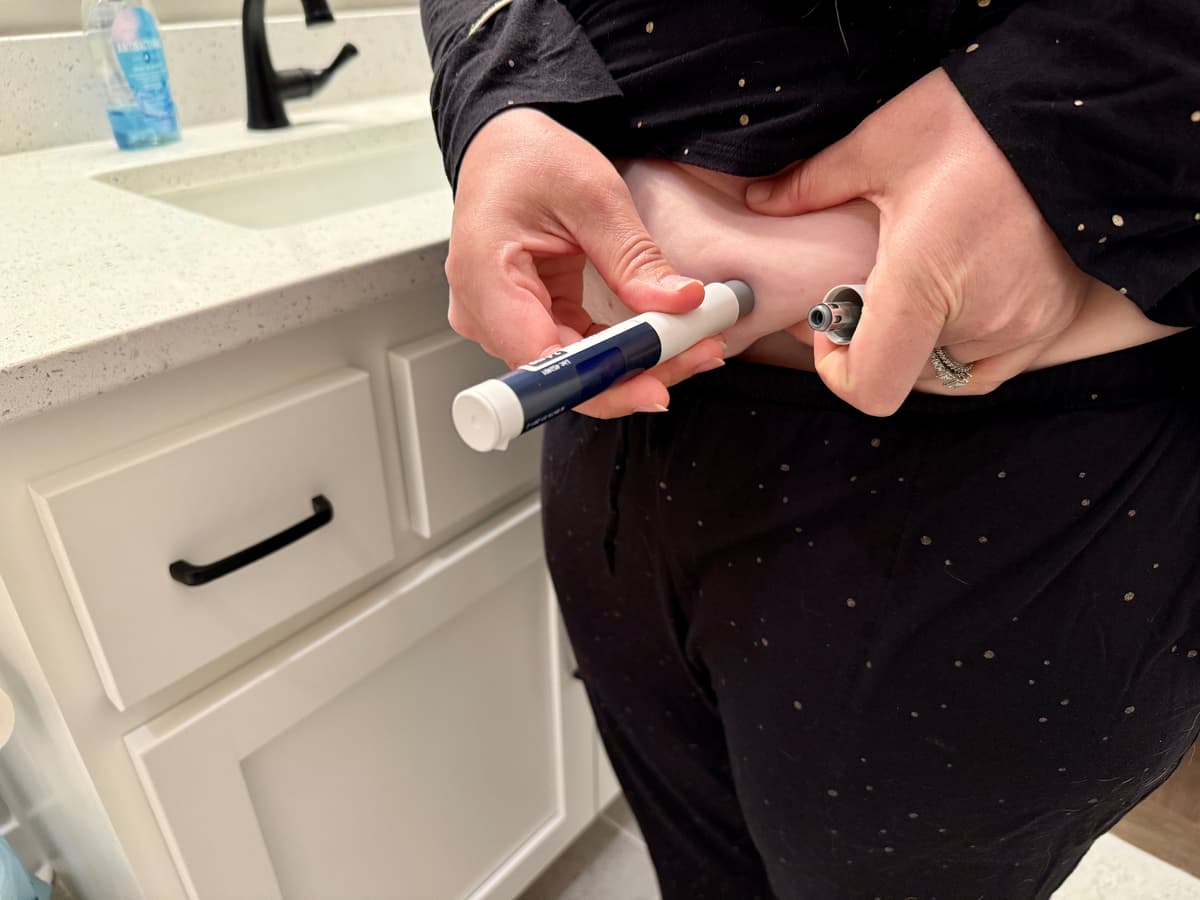
AP
GLP-1 weight loss medications are changing the way restaurants cater to their customers. AP

The availability of wildly popular obesity treatments is expected to explode worldwide in the coming months as patents for the active ingredient in one popular brand start expiring in many countries — but not America.

Semaglutide is the active ingredient in Novo Nordisk’s Ozempic, approved by the Food and Drug Administration for treatment of type 2 diabetes in 2017, and Wegovy, approved for weight-loss use in 2021.

The drugs have been too costly for widespread global adoption, with very few countries and insurance companies willing to pick up the tab. That is expected to change starting this year.

Semaglutide patents are starting to expire this year in some of the world’s biggest markets, including Brazil, China, and India. Adding in Canada and Turkey, where the patents are also expiring, an estimated 33 percent of the world’s more than one billion people with obesity live in countries where the patents are expiring and the drugs could become significantly more affordable.

“Most of the big generics companies are looking at the semaglutide market as a very big market for themselves and are gearing up for rapid launches post patent expirations. It could lower the cost by 80 percent in some cases,” the cofounder of consulting firm Primus Partners, Nilaya Varma, tells Chemical and Engineering News.

In some markets, the monthly cost could drop to $15 a month, Bloomberg reports. Currently, some Americans are paying nearly $500 a month for the drugs.

Canada could become the first market with wide-scale reimbursement of GLP-1s if it designates off-patent semaglutide as a first-line anti-obesity medication. If classified as a generic, Canadian pricing regulations could require discounts of up to 75 percent over the brand name drugs. That could open the drugs up to widespread insurance coverage, health information technology firm IQVIA reports. It could also open to more American consumers looking to Canada for lower cost treatments because the patents will be in effect much longer in America.

Markman Advisors says it’s likely that any approved form of generic Wegovy is years off in America.  Novo has several patents that don’t expire in the United States until the late 2030s. That suggests that Wegovy may not face generic competition in America until closer to 2040, Markman expects. But there are loopholes. Florida, for example, is the first state with Food and Drug Administration approval to allow Canadian pharmaceutical imports.

Compounding pharmacies are already eating into Novo’s profits in America with copycat products. The World Health Organization warns that the global demand for GLP-1 therapies has fueled the spread of fake and substandard products that threaten patient safety.

“Ensuring quality requires regulated distribution and prescription by qualified health care providers, strong oversight, patient education, and global cooperation to protect public health,” the United Nations agency said in announcing global guidelines last month.

Unlike the compounded versions of GLP-1 medicines, generic versions would be regulated for mass-production to be distributed across multiple markets. Financial services company Nomura estimates that the global generic semaglutide market could top $8 billion by the end of the decade, with China becoming the biggest market.

The other big name in the weight loss drug market is Eli Lilly. It has another decade left on its patents for Mounjaro and Zepbound but could also face a dwindling market share in the face of lower-cost generics.

Novo is expected to try to convince people to take its new oral version of semaglutide to protect market share as it looks to develop new treatments. Lilly is a few months away from the launch of its own oral version of a GLP-1 but that could also help insulate it from some of the generic competition.


The New York Sun

© 2026 The New York Sun Company, LLC. All rights reserved.

Use of this site constitutes acceptance of our Terms of Use and Privacy Policy. The material on this site is protected by copyright law and may not be reproduced, distributed, transmitted, cached or otherwise used.

The New York Sun

Sign in or  create a free account

or
By continuing you agree to our Privacy Policy and Terms of Use