Cost of Owning a Car Surges to $1,000 a Month in Some States as Higher Interest Rates, Tariffs Squeeze American Drivers
Budgets are being stretched as car costs rise faster than inflation and wages.
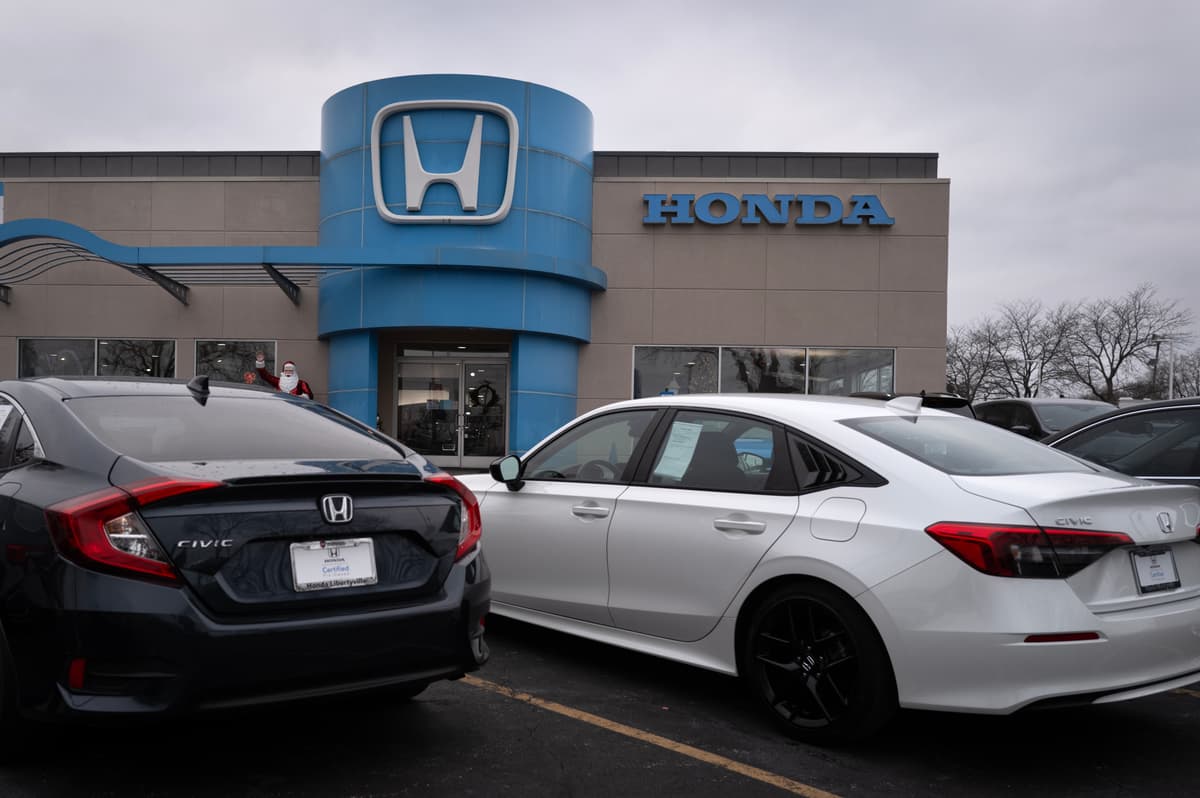
The average car payment for American consumers has been rising faster than inflation and, after adding car insurance payments, the costs are starting to bust budgets.
New York is one of four states where the average consumer is now paying more than $1,000 a month for a car payment and insurance, according to Experian. The other states with the highest average costs are Texas, Maryland, and Georgia.
New car prices in the United States crossed $50,000 for the first time in September according to Kelly Blue Book. More than 60 models had an average price exceeding $75,000 and the high-end vehicles contributed to the price surge, with luxury cars accounting for 7.4 percent of total new car sales in September.
Nationally, more than 1 in 6 new car purchasers were paying more than $1,000 a month for financing in the third quarter of 2025.
While higher interest rates and lower inventory levels have contributed to the cost increases, tariffs are likely adding to the burden. Analysts estimate tariffs can push the price of a new car up $1,000 to $6,000 at the moment.
Those costs are before adding on other necessities like fuel, and regular maintenance costs like wiper blades and oil changes. Auto expenses now comprise more than ten percent of a typical American consumer’s budget.
While affluent consumers have been able to absorb the higher costs, a large segment of the population is priced out of the market for new vehicles. There is a dearth of entry models after years of car companies sidelining them in search of higher profits.
Monthly car costs have risen faster than incomes and that is leading to increased auto loan default rates. Fitch Ratings reports that nearly 7 percent of subprime borrowers were at least 60 days behind on their car loans in October.
The rates are much better for borrowers with strong credit ratings. Loan delinquencies were only 0.37 percent among prime borrowers.
The rising costs have continued to stretch the length of car loans for a wide range of borrowers. No longer is 60 months — five years — considered a long finance term. A third of all buyers took out loans of at least 72 months in the third quarter, according to Experian. More than 1.5 percent of all buyers now have loans as long as 96 months and some loans are stretching all the way to 100 months.