
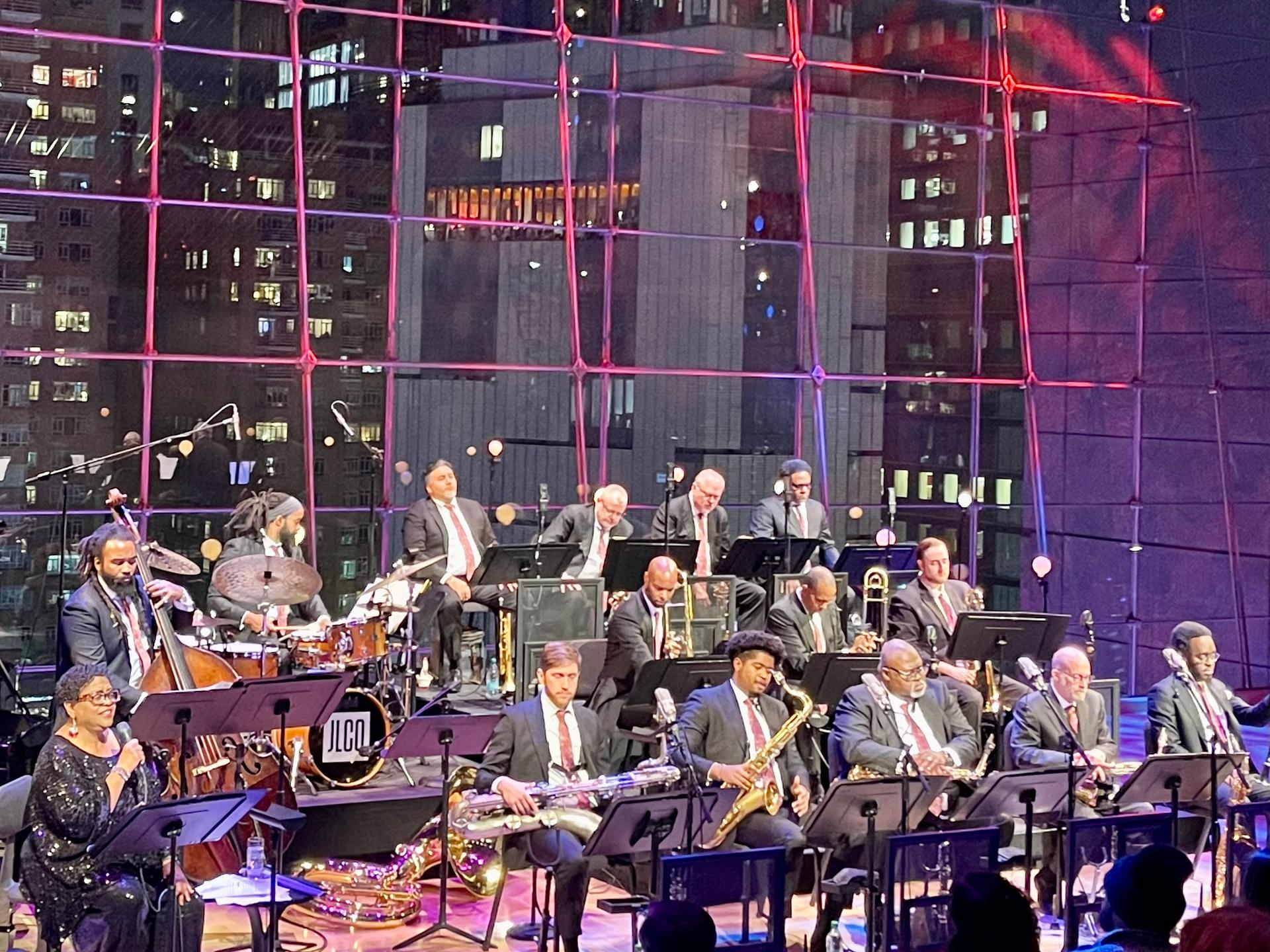
Jazzing Up the Great American Songbook
By WILL FRIEDWALD
|This article is from the archive of The New York Sun before the launch of its new website in 2022. The Sun has neither altered nor updated such articles but will seek to correct any errors, mis-categorizations or other problems introduced during transfer.

Published:
Updated:
President Bush’s speech to the National Endowment for Democracy, delivered yesterday and excerpted at right, is a memorable articulation of his strategic vision.”We’ve witnessed, in little over a generation, the swiftest advance of freedom in the 2,500-year story of democracy,” Mr. Bush said.”It is no accident that the rise of so many democracies took place in a time when the world’s most influential nation was itself a democracy.” He made a point of underlining America’s international social contract.”The United States made military and moral commitments in Europe and Asia, which protected free nations from aggression, and created the conditions in which new democracies could flourish,”he said.”As we provided security for whole nations, we also provided inspiration for oppressed peoples. In prison camps, in banned union meetings, in clandestine churches, men and women knew that the whole world was not sharing their own nightmare. They knew of at least one place — a bright and hopeful land — where freedom was valued and secure. And they prayed that America would not forget them, or forget the mission to promote liberty around the world.”
By WILL FRIEDWALD
|
By BRADLEY CORTRIGHT
|
By LUKE FUNK
|
By DONALD KIRK
|
By THE NEW YORK SUN
|
By GEORGE WILLIS
|
By LUKE FUNK
|
By A.R. HOFFMAN
|President Bush’s speech to the National Endowment for Democracy, delivered yesterday and excerpted at right, is a memorable articulation of his strategic vision.”We’ve witnessed, in little over a generation, the swiftest advance of freedom in the 2,500-year story of democracy,” Mr. Bush said.”It is no accident that the rise of so many democracies took place in a time when the world’s most influential nation was itself a democracy.” He made a point of underlining America’s international social contract.”The United States made military and moral commitments in Europe and Asia, which protected free nations from aggression, and created the conditions in which new democracies could flourish,”he said.”As we provided security for whole nations, we also provided inspiration for oppressed peoples. In prison camps, in banned union meetings, in clandestine churches, men and women knew that the whole world was not sharing their own nightmare. They knew of at least one place — a bright and hopeful land — where freedom was valued and secure. And they prayed that America would not forget them, or forget the mission to promote liberty around the world.”
Already have a subscription? Sign in to continue reading
Cancel anytime
By continuing you agree to our Privacy Policy and Terms of Service.
Cancel anytime