


Food Giants Brace for GLP-1 Pill by Rolling Out Ozempic-Friendly Products

With appetite suppressing pills about to flood the market, restaurants and food companies are scrambling to adapt.
AP/JoNel Aleccia
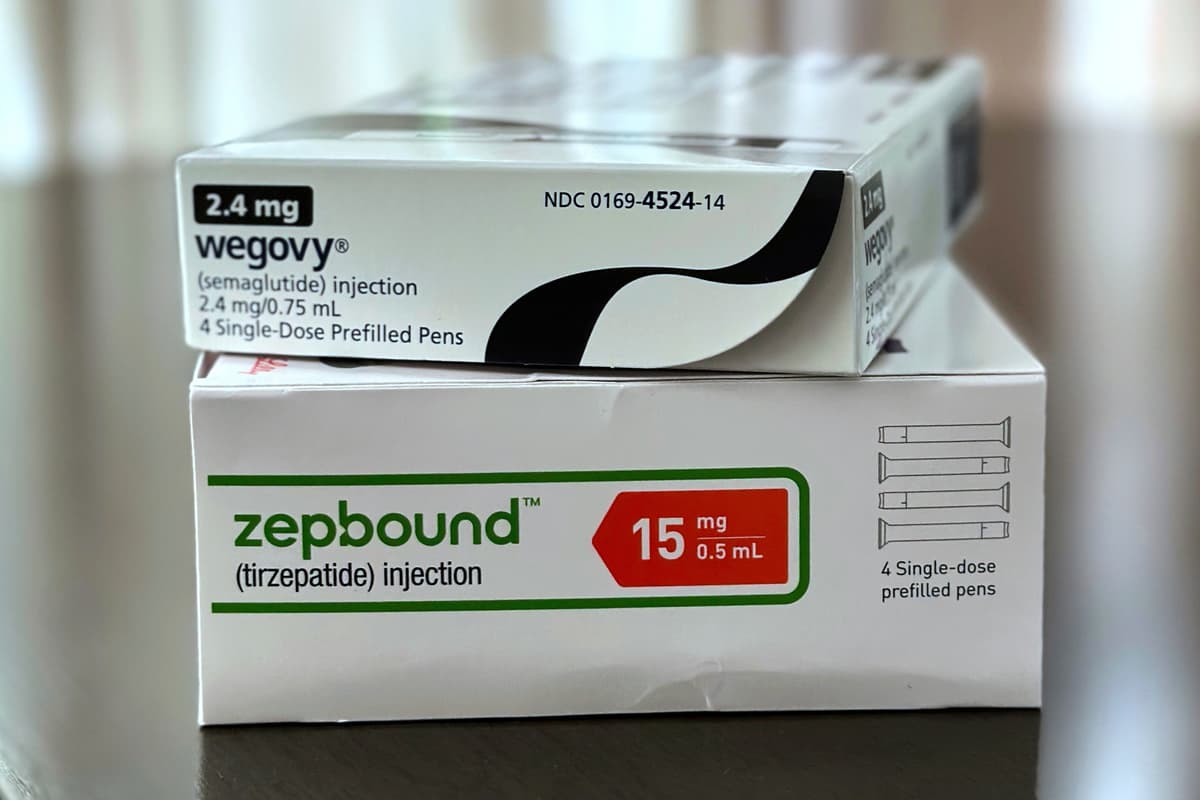
Boxes for the medications Wegovy and Zepbound. AP/JoNel Aleccia

Is the age of American super-size portions coming to a close? 

With pill versions of the appetite-suppressing GLP-1 drugs poised to hit the market, packaged food distributors and fast-food chains are confronting the unsettling prospect that millions of their customers will no longer be able to stomach their products. 

GLP-1 injectables, originally developed for treating diabetes, exploded in popularity during the early 2020s due to their powerful weight-loss effects. Between 2018 and 2023, prescriptions for these drugs surged 300 percent.

The impact on food consumption is already visible. Households using GLP-1 medications have cut spending at grocery stores by 5 percent and at fast-food restaurants by roughly 8 percent, according to a recent Cornell study.

Food companies have already weathered shifts in consumer tastes from the rollout of weight-loss injections. Now, with drug manufacturers on track to market GLP-1s in cheaper and more user-friendly pill form, analysts believe widespread adoption could trigger long-term changes in demand.

“The decreases we saw will likely show up in a much broader slice of the population” because of weight-loss pills, one of the study’s co-authors, Sylvia Hristakeva, told Reuters. She also predicted that the new pill form will keep consumers on the medication longer.

In an early warning sign, the FDA’s approval of Novo Nordisk’s Wegovy GLP-1 pill last week was followed the next day by a selloff in food company stocks. Eli Lilly’s rival product is expected to receive regulatory approval next year.

Major food companies are adapting by promoting products with more protein and advertising their goods as GLP-1-friendly.

“We are seeing people cut (back) specifically on salty snacks, liquor, soda, drinks, and bakery snacks, and more focused on protein and fiber, so we expect food companies and also restaurants to cater to this audience that is growing,” a consumer foods analyst at Rabobank, JP Frossard, told Reuters. 

Nestle, the world’s largest food company, has already rolled out a new line of frozen meals catered specifically to GLP-1 users. The product line, called “Vital Pursuit,” includes “portion aligned” pizzas, bowls, and sandwiches designed with “enough protein and essential nutrients.”

Nestle, which stands as the world’s largest food company, has already rolled out new frozen meals catered specifically to GLP-1 users. The line of products, called “Vital Pursuit,” includes “portion aligned” pizzas, bowls, and sandwiches designed with “enough protein and essential nutrients.”  

American fast-casual restaurants have joined the trend. Chipotle recently introduced a “High Protein Menu” featuring items like single cups of chicken or steak. Olive Garden added menu items that are cheaper and smaller in portion.


The New York Sun

© 2025 The New York Sun Company, LLC. All rights reserved.

Use of this site constitutes acceptance of our Terms of Use and Privacy Policy. The material on this site is protected by copyright law and may not be reproduced, distributed, transmitted, cached or otherwise used.

The New York Sun

Sign in or  create a free account

or
By continuing you agree to our Privacy Policy and Terms of Use