

GLP-1 Users Are Actually Driving Up Restaurant Spending

Eateries are adapting menus to cater to weight loss drug users who don’t feel like making their own meals.
AP
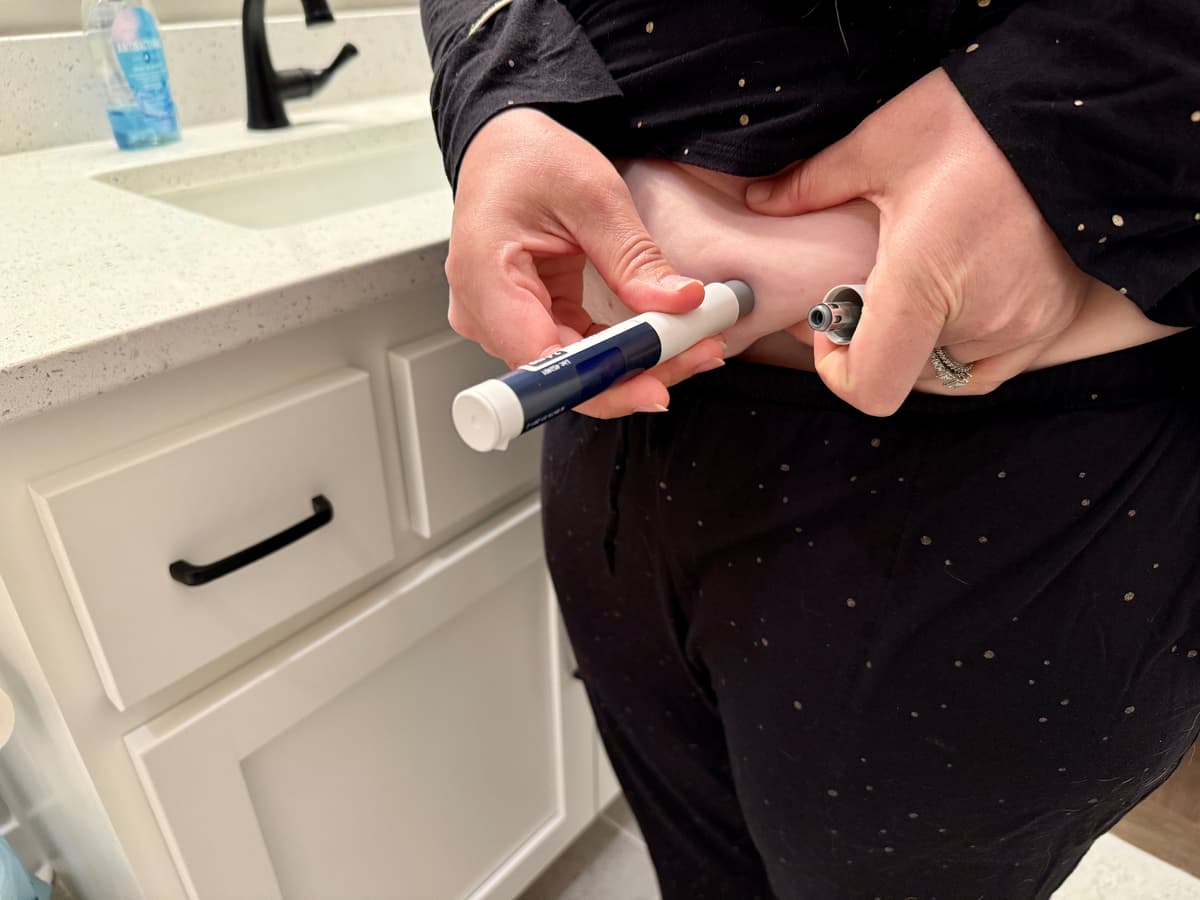
GLP-1 weight loss medications are changing the way restaurants cater to their customers. AP
LUKE FUNK
LUKE FUNK

While Zepbound, Wegovy and Ozempic users are eating less, they are driving an increase in spending while dining out and that is providing a boost for some restaurant chains.

About one in eight adults say they are currently taking a GLP-1 drug to lose weight or treat a chronic condition, according to a KFF Health Tracking Poll, and while they eat less, they still need to eat.

Olive Garden says a test of a lighter portions menu — popular among diners using GLP-1 weight loss drugs — has been so successful that it is rolling it out to the entire chain faster than planned.

The chief executive officer of Darden Restaurants, Olive Garden’s owner, says while customers are drinking less alcohol, they still want to go out and order food.

“The light portion section is helpful for that, but we aren’t doing the lighter portion just for GLP ones. We’re doing it to give all of our guests more options,” Rick Cardenas said on a December earnings call. “It just so happens to benefit the consumers that might want smaller portions that are on GLP one medications. And we have a lot of options like that in all of our menus.”

A November report by Circana found that households with at least one person on a weight loss drug actually spent more money dining out than before using the drug.

One reason could be that if one person in the household is on a GLP-1, they might not want to cook their own dinner and another for the rest of the family. They are finding it easier to please everyone by dining out.

One GLP-1 user told Bloomberg that she dines out more frequently now because she no longer thinks about food prep as much.

“I’d have a running agenda in my mind about the kinds of things that I would make,” Robin Kohli told the outlet. “And now it’s just like, ‘What’s the bare minimum I can eat to get this over with?’”

Casual dining locations are picking up the largest share of the growth with midscale and fast food restaurants seeing less growth, according to Circana.

The categories seeing the biggest bump are hot tea, smoothies, fruit, soft pretzels, and croissants.

The report also found that GLP-1 users drink more beverages but prefer sugar-free alternatives. It cited a GLP-1 menu at Smoothie King with drinks offering protein, fiber, and no sugar. Smoothie King’s five offerings on its GLP-1 menu are driving about 6 percent of sales but are attracting females under age 44.

Another chain that is now marketing directly to GLP-1 is Chipotle. It introduced a high protein menu in December that features a cup of Adobo chicken with 32 grams of protein and a salad with 81 grams of protein.

The potential market for those customers is expected to grow as prices decrease and pill forms of popular GLP-1 drugs like Wegovy and Zepbound hit the market this year. BMO Capital markets predicts the global market for the growing and lucrative weight-loss drugs will reach $100 billion by 2035.

The Circana report recommends that food and beverage providers identify opportunities to serve the growing population using GLP-1 drugs and position products that meet GLP-1-friendly nutritional profiles.

“We’ve got a broad menu and we are going to continue to monitor what’s going on with folks on GLP-one drugs,” Mr. Cardenas says. “We believe we have great brands that have a lot of protein, which is something that GLP-1 users want.”


The New York Sun

© 2026 The New York Sun Company, LLC. All rights reserved.

Use of this site constitutes acceptance of our Terms of Use and Privacy Policy. The material on this site is protected by copyright law and may not be reproduced, distributed, transmitted, cached or otherwise used.

The New York Sun

Sign in or  create a free account

or
By continuing you agree to our Privacy Policy and Terms of Use