High Court’s Ruling on Chicago Has a Hollow Ring

The Nine declines to reverse a circuit court decision that bars President Trump from sending National Guardsmen into the Windy — and crime ridden — City.

Scott Olson/Getty Images
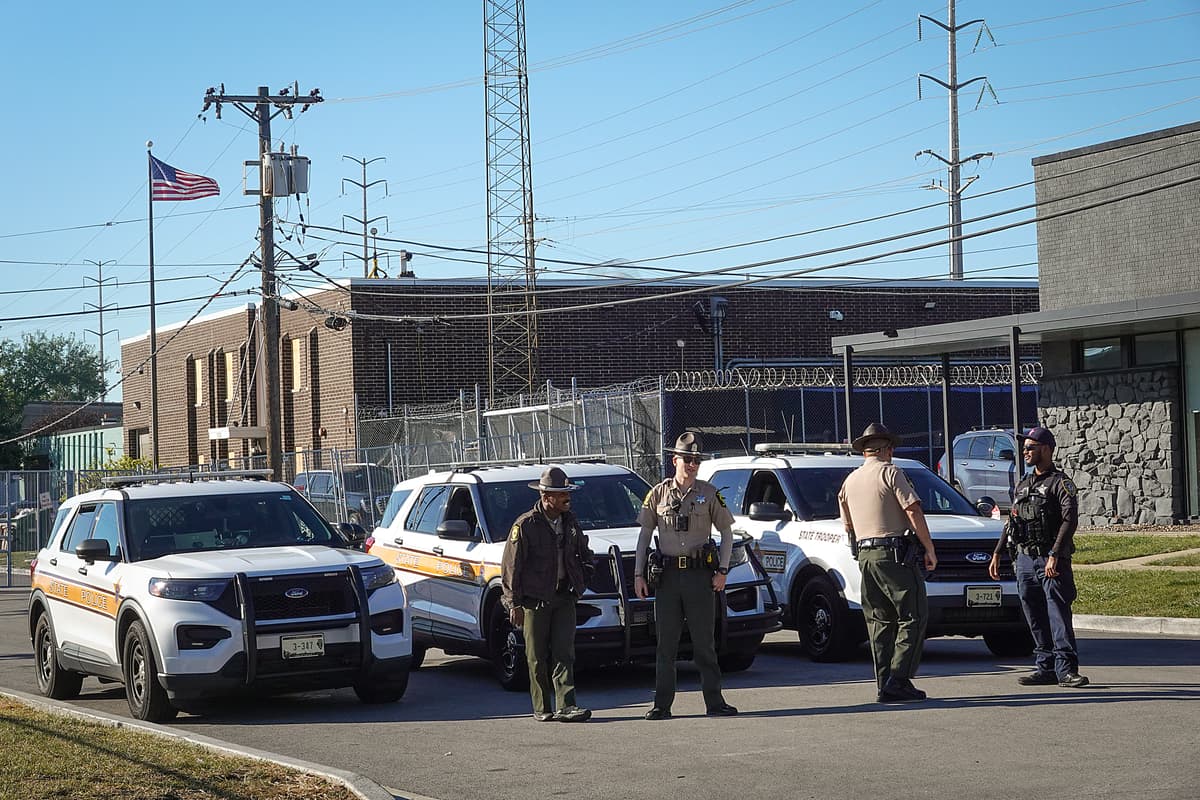
Illinois State Police stand guard at an immigration processing and detention facility on October 9, 2025 at Broadview. Scott Olson/Getty Images

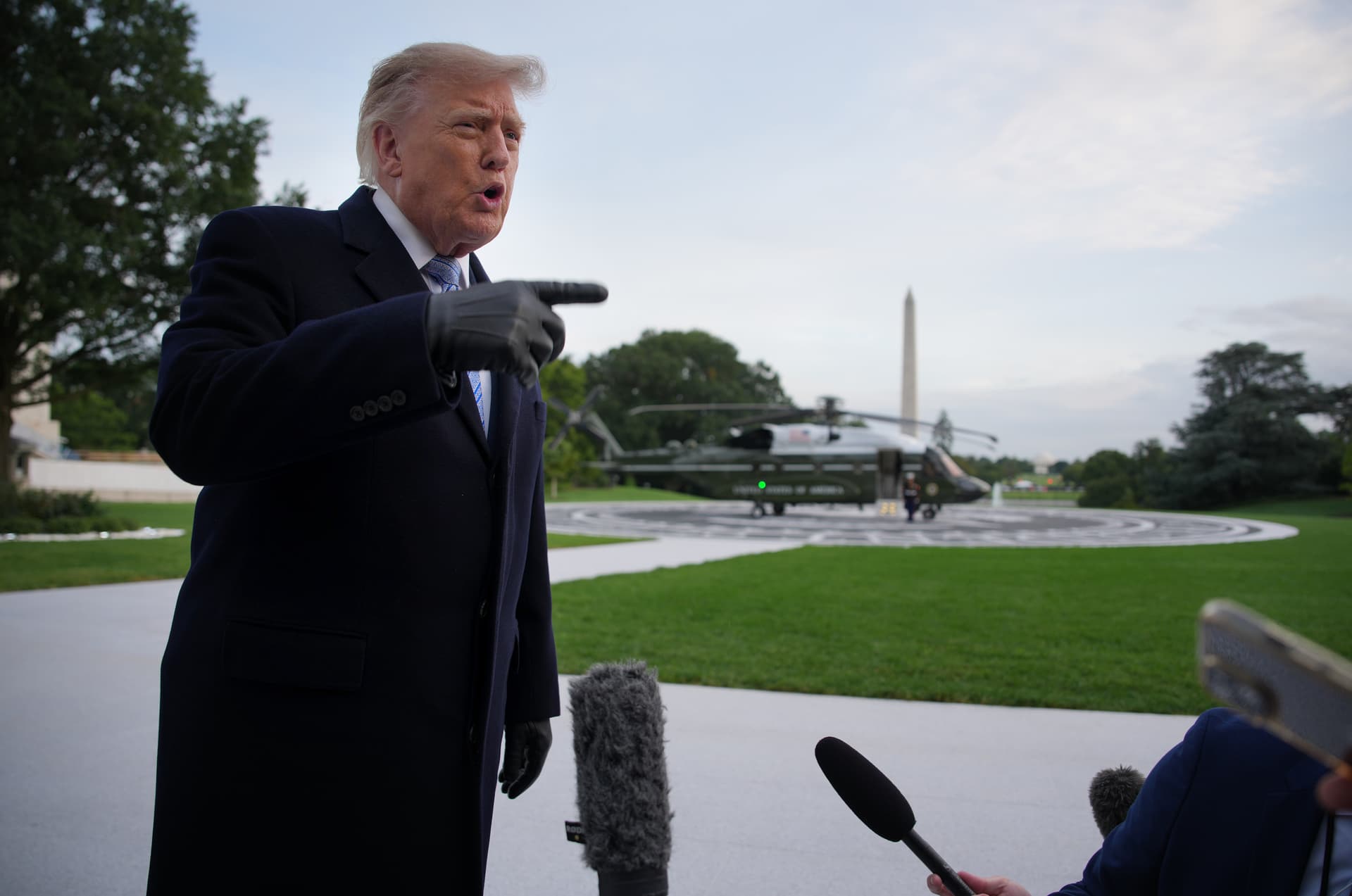
Liberal governors and mayors look poised to score a win over President Trump after the Supreme Court denied his rationale for deploying the National Guard in crime-plagued cities — at Chicago, at least for now. That’s the upshot of yesterday’s ruling by the Nine. The high court declined to reverse a circuit court decision that bars Mr. Trump from sending Illinois National Guard troops into Chicago to help maintain law and order.

The Supreme Court’s ruling, for now, upholds the decision by the riders of the Seventh United States Appeals Circuit. They appeared sympathetic to the argument advanced by Governor JB Pritzker and Mayor Brandon Johnson that “there is no rebellion or danger of rebellion in Illinois.” The circuit riders backed a district judge at the Windy City, April Perry, who had blocked Mr. Trump from deploying the Guard there. 

The Supreme Court’s backing of the lower courts amounts to a setback for Mr. Trump, who has racked up an enviable record of constitutional victories before the justices. This is especially true in cases, like the dispute over the National Guard deployments, that center on the scope of executive authority and the prerogatives of the president. Too, Tuesday’s high court decision is a preliminary decision in an ongoing dispute, so Mr. Trump could yet prevail.

From the outset of the constitutional contretemps over the president’s power to call up the Guard, these columns have argued that Mr. Trump has the better of the argument. The high court in Martin v. Mott held that the power to call up militia forces “is exclusively vested in the President.” Constitutional sage Edwin Vieira, Jr. says that the precedent “absolutely precludes anyone from second-guessing or interfering with the president’s actions.”

Plus, too, Mr. Vieira points to several statutes under Title 10 of the United States Code to buttress the president’s authority. Feature, say, Section 12406, which allows a president, if needed, to federalize the Guard to “execute the laws of the United States.” Title 10’s Section 253 authorizes a president to use “the militia or the armed forces” to “take such measures as he considers necessary to suppress, in a State, any insurrection, domestic violence,” or “conspiracy.”

Justice Samuel Alito in a dissent points to these laws to show that Judge Perry had “erred in refusing to afford any deference to the President’s determination that calling up the National Guard was needed to execute federal law.” Citing Martin, he avers that “such a determination must be accepted by the courts.” He quotes Justice Joseph Story, who said “the authority to decide” when an “exigency has arisen . . . belongs exclusively to the President.”

Justice Alito’s reasoning, joined by Justice Clarence Thomas, echoes the findings of the riders of the Ninth Circuit. There, too, liberal district court judges had barred Mr. Trump’s Guard deployment. A panel of circuit riders reckoned that courts “must be highly deferential” when weighing reviewing a president’s legal power on this head. They deemed it “likely” that Mr. Trump had “lawfully exercised his statutory authority” to federalize the National Guard.

The caveat marked by the Ninth Circuit riders, though, was the legal requirement that the president’s power depended on being “unable with the regular forces to execute the laws of the United States.” Mr. Trump considers Department of Homeland Security and Immigration and Customs Enforcement agents to be  among the “regular forces,” but the Nine found that the term “regular forces” means “the regular forces of the United States military.” 

This narrow question of legal definition could yet be more fully illuminated in further proceedings in lower courts, and return to the Nine, despite the high court’s initial ruling against Mr. Trump. For now, the decision lets the disorder and defiance of federal authority at Chicago continue — to the detriment of the denizens of the Windy City. In that sense, the win by Messrs. Pritzker and Johnson before the high court has a hollow ring. 


The New York Sun

© 2025 The New York Sun Company, LLC. All rights reserved.

Use of this site constitutes acceptance of our Terms of Use and Privacy Policy. The material on this site is protected by copyright law and may not be reproduced, distributed, transmitted, cached or otherwise used.

The New York Sun

Sign in or  create a free account

or
By continuing you agree to our Privacy Policy and Terms of Use