
Iran Accuses America and Israel of Inciting Unrest as Protests Show No Sign of Stopping
Nationwide demonstrations that began over economic woes have evolved into an anti-regime uprising.
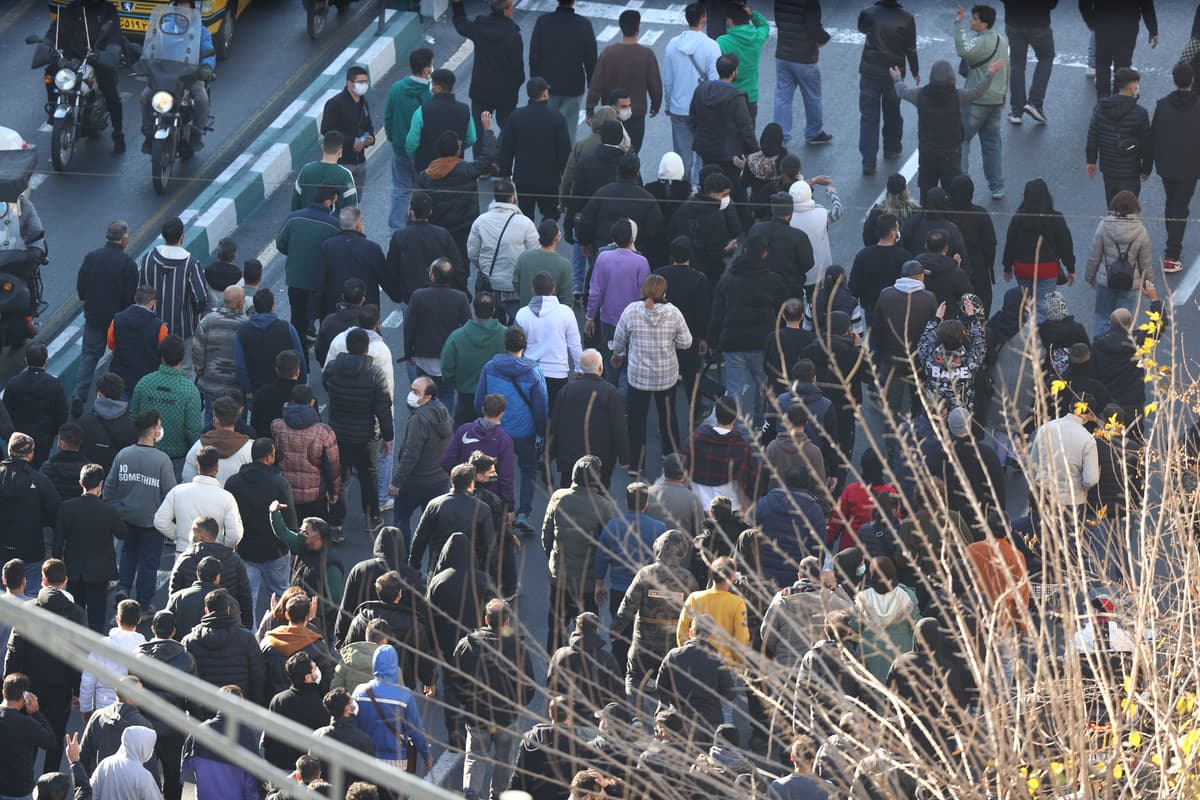
Iran’s regime, struggling to contain protests that have now entered their ninth day, is accusing America and Israel of meddling in the country’s internal affairs after the two nations voiced support for demonstrators.
On Monday, a spokesman for Iran’s foreign ministry blamed outsiders for the protests. “Actions or statements by figures such as the Israeli prime minister or certain radical and hardline U.S. officials regarding Iran’s internal affairs amount, under international norms, to nothing more than incitement to violence, terrorism, and killing,” the spokesman said during a press conference.
He urged the country to “remain vigilant in the face of a Zionist regime “determined to exploit the slightest opportunity to sow division and undermine our national unity.”
Unrest erupted on December 28 when market vendors in Tehran took to the streets to air grievances over the country’s deepening economic crisis amid a crashing currency. Demonstrations have since spread to more than 100 cities in 26 of Iran’s 31 provinces, according to human rights activists. At least 20 protesters have been killed in clashes with the regime’s security forces, and approximately 1,000 have been arrested.
Prime Minister Netanyahu first commented on the Iranian uprising on Sunday, declaring that “the government of Israel, the state of Israel, and my own policies — we identify with the struggle of the Iranian people, with their aspirations for freedom, liberty, and justice.”
In an oft-shared prediction that accompanies the occasional Iranian protests, Mr. Netanyahu added that “it is quite possible that we are at a moment when the Iranian people are taking their fate into their own hands.”
Israel appeared to signal support for the protests as early as Thursday, when the Foreign Ministry’s Farsi-language office posted a message of solidarity on X: “The rise of Iranian lions and lionesses to fight against darkness. Light triumphs over darkness.”
The United States has been more explicit in supporting the protesters. Mr. Trump warned Sunday night that Iranian officials would be “hit very hard by the United States” if more demonstrators were killed. On Monday morning, the president was photographed holding a signed “Make Iran Great Again” hat alongside Senator Lindsey Graham.
Mr. Trump’s threats gained added weight following America’s weekend capture of Venezuela’s disputed former president, Nicolas Maduro, and his wife, Cilia Flores. The couple faced arraignment Monday on drug- and conspiracy-related charges.
Iran’s economic crisis has intensified under American sanctions imposed over Iran’s nuclear program. The currency collapsed following strikes by Israel and America on Iran’s nuclear facilities last June.
Yet the demonstrations have evolved beyond economic grievances into broader anti-regime sentiment aggravated by cold, drought, air pollution, and food and gas shortages. Marchers have been chanting slogans like “Death to the dictator” — a reference to Iran’s supreme leader, Ali Khamenei. The Supreme Leader has insisted that the “rioters should be put in their place.”
Iran last witnessed protests of this scale in 2022, after a young Kurdish woman detained by police for allegedly wearing her hijab improperly, Mahsa Amini, died in custody under suspicious circumstances. More than 550 Iranians were killed and some 20,000 detained as the regime moved to crush that uprising.