Iran on the Brink: Death Toll Soars Past 12,000 as Trump Evacuates Troops
The ruling family may be preparing exit strategies, as millions of dollars are being wired out of the country by the leadership.
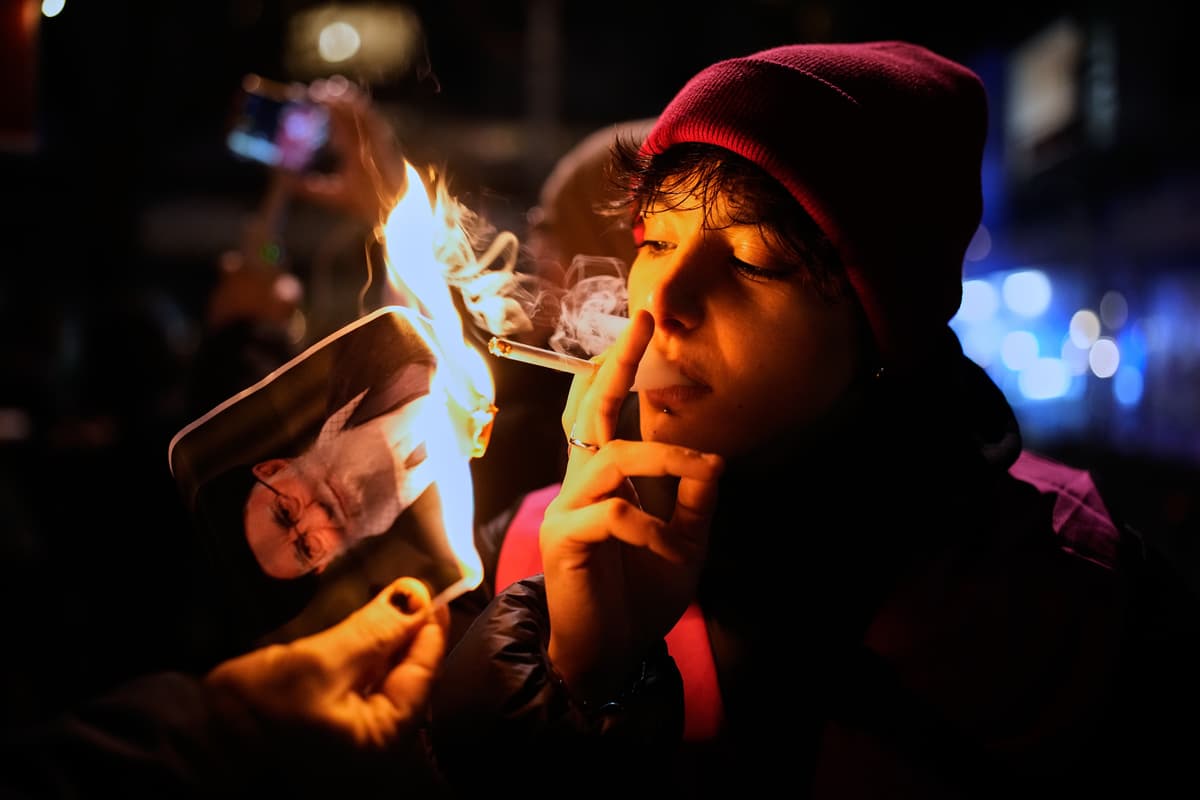

The Islamic Republic is bleeding money and lives at an unprecedented rate. As bodies pile up in makeshift morgues and billions flee to Dubai banks, the 47-year-old theocracy faces a simple question: Will the regime fall before it can crush the largest uprising since its founding?
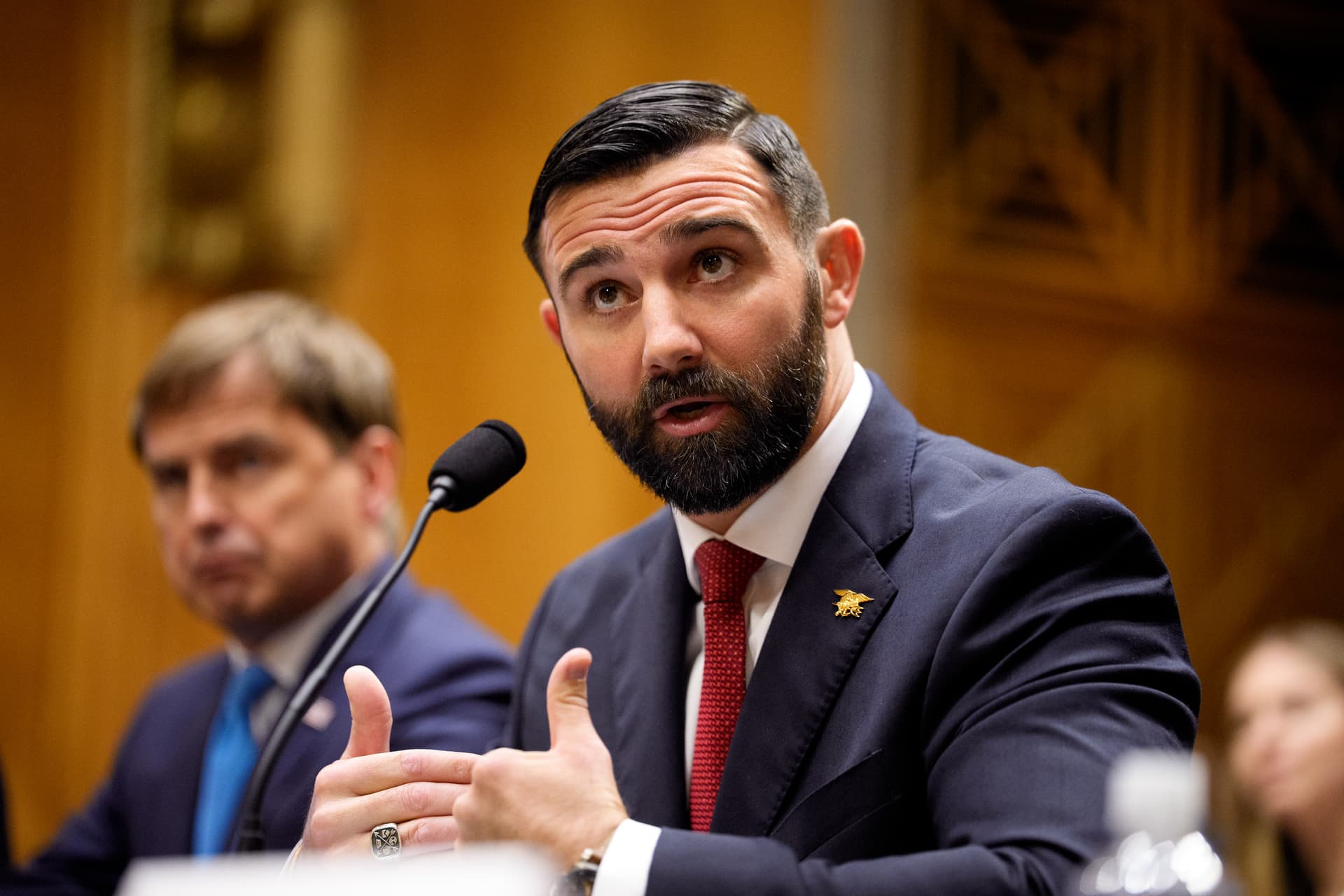
With its grip under strain, the regime appears to be buying time â offering gestures of restraint meant more for Washington than for Iranians. President Trump declared Wednesday afternoon that he had been told âon good authorityâ by sources inside Iran that the massacre of protesters has been halted and that planned executions would not proceed.
The information came from âvery important sources on the other side,â though Mr. Trump acknowledged uncertainty, adding, âWho knows, right?â When asked if military action was now off the table, he responded only that officials would âwatch and see.â
The death toll from nationwide protests has likely surpassed 12,500. Mr. Trumpâs announcement, however, came hours after the United States began evacuating hundreds of troops from Al Udeid Air Base in Qatar.
Iran also issued a NOTAM closing the Tehran Flight Information Region to all flights except pre-authorized international traffic. At the same time, a United States carrier strike group is reportedly being repositioned from the South China Sea to the CENTCOM area of responsibility. However, the Pentagon has yet to confirm.
Meanwhile, the son of Iranâs Supreme Leader has reportedly transferred $1.5 billion to Dubai bank accounts as the Islamic Republic teeters on the edge of collapse, an indication that the ruling family may be preparing exit strategies.
The United States treasury secretary, Scott Bessent, confirmed such a theory, noting on Wednesday that Washington is tracking what he described as a surge of capital flight by Iranâs ruling elite, telling Newsmax that âwe are now seeing the rats fleeing the ship because we can see millions, tens of millions of dollars being wired out of the country, snuck out of the country by the Iranian leadership.â
Mr. Bessent vowed to trace the huge sums and declared that Iranian leaders âwill not be able to keep them.â
As Iranâs elite scramble to secure their fortunes, the region appears to be moving toward a far more dangerous phase.
Israel is deploying the Iron Dome in major cities. Withdrawal of personnel from bases in the Persian Gulf. All in anticipation of United States missile and airstrikes on Iran âin the next 48 hours,â Defense analyst John Wood tells the New York Sun.
Israel has deployed additional Iron Dome batteries in Haifa, Jerusalem, Netanya, and Caesarea to intercept potential Iranian rocket and drone attacks. Yet the gravest threat to the regime may not be forming in the skies, but in the streets.
A Crackdown Without Precedent
The nationwide protests that began on December 28 over economic grievances have evolved into a full-scale uprising demanding regime change. What started with Tehran shopkeepers closing businesses in the historic Grand Bazaar following the Iranian rialâs collapse to over 1.4 million against the dollar has spread to all 31 Iranian provinces, with protesters chanting âDeath to the Dictatorâ and calling for the return of the Pahlavi monarchy.
International human rights organizations have characterized the regimeâs response as crimes against humanity. Security forces have deployed live ammunition, tear gas, and military-grade weapons against largely peaceful demonstrators, with more than 18,400 detained.
The worst may only be beginning.
Verified video footage from a morgue in Kahrizak shows hundreds of bodies wrapped in black bags piled outside as grieving relatives search for loved ones.
The devastation on the ground, however, has yet to translate into cracks at the top.
President of the operational intelligence firm Ulysses Group, Andrew Lewis, tells the Sun that current international pressure has not reached the threshold necessary to cause defections within the Iranian leadership.
âI donât think there is effective pressure on the regime right now to see the types of defections that will be needed to topple the government. The regime appears to be calculating that it can weather potential American strikes based on past precedent,â Mr. Lewis says. âThe Iranian government looks at what the U.S. did before â limited strikes on Iranian nuke sites, but did not allow the strikes to change the status quo in the country.â
From his purview, Tehranâs leadership is âlikely assessing that if strikes do come, they will be short-lived and have limited impact.â
âHopefully, they are wrong,â Mr. Lewis cautioned.
If Tehran is betting on restraint, the signals coming from Washington suggest a far more volatile equation.
Trumpâs Escalating Warnings
Mr. Trump has, since the beginning of the year, issued increasingly forceful warnings that the United States would not tolerate the mass killing of peaceful protesters.
On Tuesday, he posted: âIranian Patriots, KEEP PROTESTING â TAKE OVER YOUR INSTITUTIONS!!! Save the names of the killers and abusers. They will pay a big price.â He also announced he had canceled all meetings with Iranian officials and declared that âHELP IS ON ITS WAY.â
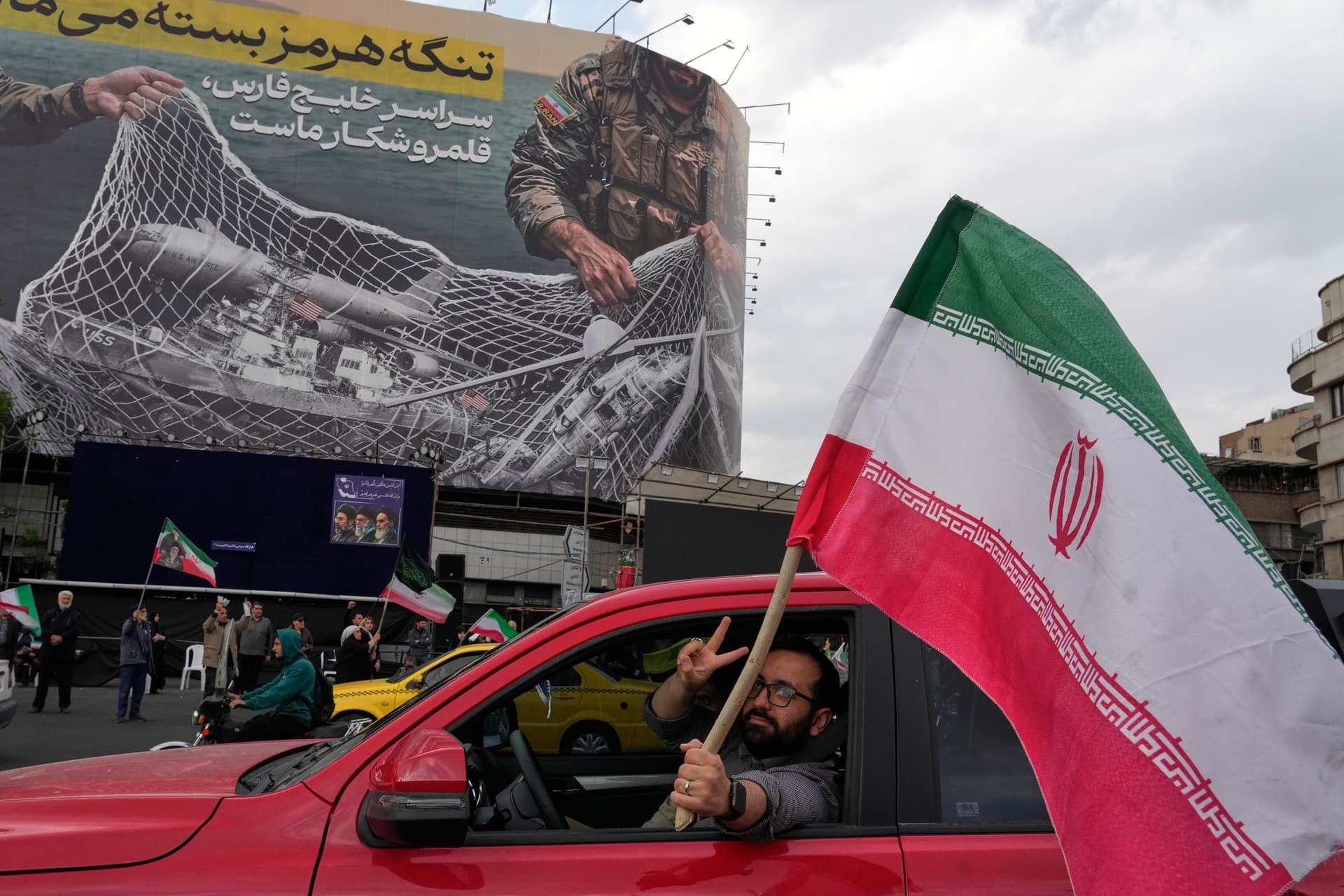
Iranâs Parliament Speaker Mohammad Baqer Qalibaf responded by declaring that United States military centers and Israeli territory would be âlegitimate targetsâ if Washington proceeds with strikes. Iranâs foreign minister also claimed Tehran has âreconstructed everything that was damagedâ in last Juneâs attacks and warned Iranian forces are prepared to respond.
The Iranian government has also attempted to suppress information through a nationwide internet blackout that has lasted more than 132 hours, crippling digital transactions, hospital operations, and banking. Tech entrepreneur Elon Musk has made his Starlink satellite internet service available for free in Iran, allowing some protesters to bypass government restrictions.
Yet the full scale of the regimeâs brutality remains obscured. When connectivity is restored, analysts and human rights monitors warn that the world will confront an avalanche of documentation showing atrocities that dwarf even the horrific footage that has already emerged.
Even as evidence of mass violence continues to mount, voices from exile are seeking to capitalize on the unrest.
Exiled Crown Prince Reza Pahlavi has called on military members to âprotect the lives of your compatriots,â declaring, âyou are the national military of Iran, not the military of the Islamic Republic.â Videos show some demonstrators chanting in support of the Pahlavi restoration, though the opposition remains fragmented.
Unlike previous crises, traditional allies of Tehran appear reluctant to act or comment forcefully on the unfolding unrest.
Russia this week condemned the United States strike threats as âcategorically unacceptable,â yet appears unlikely to provide direct military support, staying focused on Ukraine. President Putin has notably refrained from commenting publicly on the Iranian protests.
Communist China, meanwhile, has called on Iranâs government and people to âovercome current difficulties and maintain national stability,â and has opposed external interference in Iranâs internal affairs, yet shown limited public support for the clerical regime.
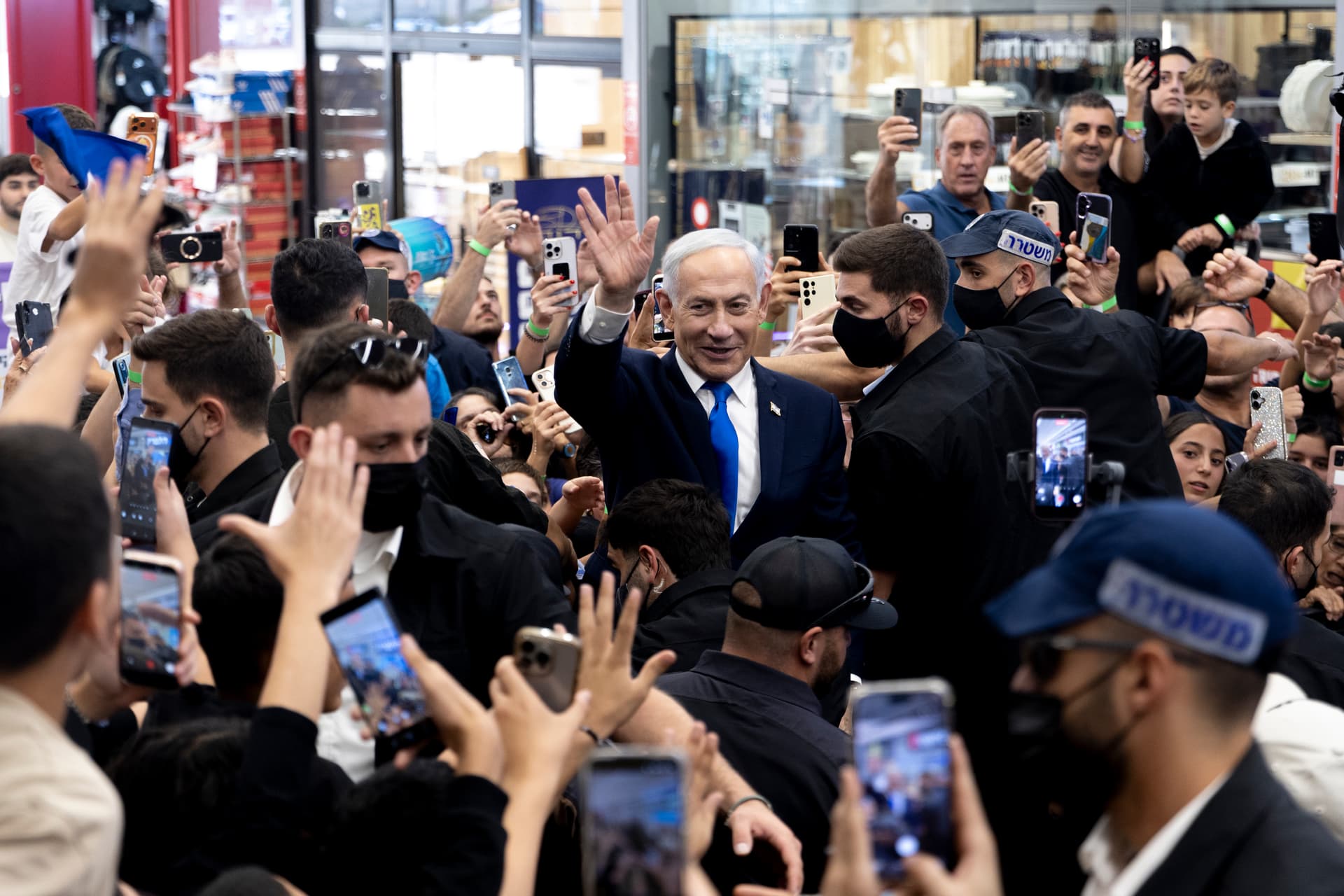
Tehranâs archfoe, Israel, which has repeatedly struck Iranian targets over the past year, has maintained a conspicuous silence on the uprising. The restraint likely reflects a calculation that any Israeli statements supporting the protesters could provide Tehran with ammunition to portray the demonstrations as a foreign conspiracy, potentially undermining the protest movementâs domestic legitimacy.
Iranâs foreign minister, Abbas Araghchi, appeared on Fox News in a contentious interview on Wednesday, blaming Israel and foreign âterrorist elementsâ for the unrest while rejecting reports of mass killings. Mr. Araghchi described the violence as âa fighting between our security forces and terrorist elements,â claiming fatalities were âonly hundredsâ and dismissing higher death toll estimates as âmisinformation.â
An Uncertain Future
This uprising differs starkly from previous waves of Iranian protests. The 2009 Green Movement and the 2022 protests following Mahsa Aminiâs death were violently suppressed with little international response. This time, protesters face an American president who has repeatedly bombed Iranian facilities and publicly declared support for regime change.
The Iranian people continue facing the regimeâs violence with remarkable persistence. Markets are still shuttered, streets fill nightly with protesters, and Iranians chant anti-government slogans from rooftops despite the Supreme Leader ordering âno leniency.â
The protestersâ courage persists, yet experts caution that the regime is calculating how far it can push before the world intervenes.
âIranians have protested multiple times over the last ten years, and each time they were brutally put down, and no one in the international community blinked an eye,â Mr. Lewis adds.
âRight now, Iranians are being massacred, and nothing is happening. The Iranian government is choosing to press and put the unrest down because if they reach a tipping point, they win, people get off the streets, and the justification for strikes goes away.â