
Jack Smith Suggests He May Have Charged Giuliani and Other Trump Allies If Trump’s 2024 Victory Had Not Ended His Case
The special counsel suggests to lawmakers that had the president not triumphed, the election interference case could have widened.
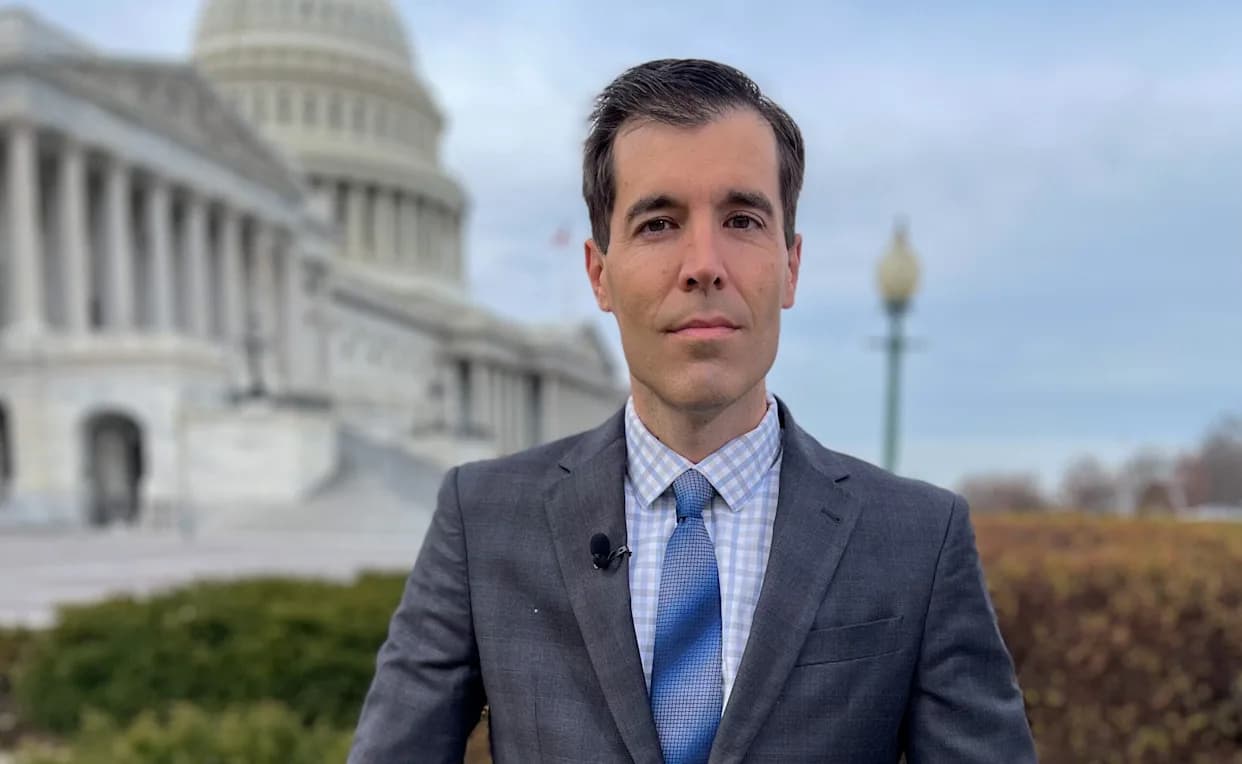
The video released on New Year’s Eve of Special Counsel Jack Smith’s eight hour closed door testimony to Congress contained a startling disclosure — Mr. Smith was moving towards widening his January 6 case to ensnare members of President Trump’s camarilla.
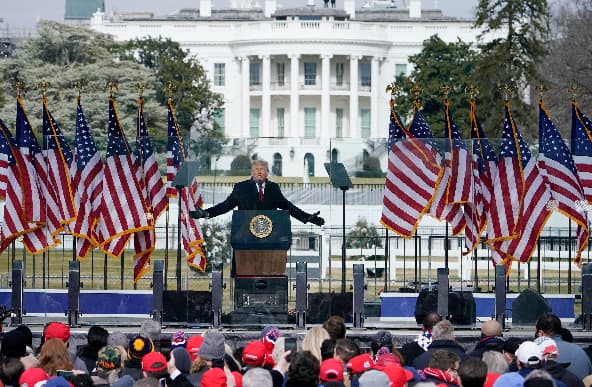
Mr. Smith was resolute in his assessment that the mayhem of January 6, 2021, “does not happen” without Mr. Trump. The prosecutor calls the 47th president the ‘Most Culpable and Most Responsible Person’ for the alleged criminal scheme five years ago to overturn the results of the 2020 election. Mr. Smith alleges that Mr. Trump, who unwaveringly asserts his innocence, was instead guilty “beyond a reasonable doubt” of four criminal charges.
The special counsel in his testimony accused Mr. Trump of a “criminal scheme” to reverse the results of the 2020 election, but both indictments Mr. Smith secured in the case — the original one and a superseding edition in the wake of the Supreme Court’s ruling on presidential immunity — charged only Mr. Trump. Both indictments, though, listed six unindicted co-conspirators.
Five of the unindicted co-conspirators, while not named, can be determined to be Mayor Rudy Giuliani, John Eastman, Sidney Powell, Jeffrey Clark and Kenneth Chesebro. The sixth, described as “a private political consultant who helped implement a plan to submit fraudulent slates of presidential electors to obstruct the certification proceeding,” remains something of a mystery, though both CNN and the New York Times identify him as Boris Epshteyn, an architect of the president’s defense strategy who now serves as the personal senior counsel to Mr. Trump.
Those unindicted co-conspirators — all except Mr. Epshteyn — were also indicted in the state criminal case brought in Georgia by the district attorney of Fulton County, Fani Willis. Some, like Ms. Powell and Mr. Chesebro — pleaded guilty. The charges were dismissed, though, when Ms. Willis was disqualified for her secret romance with her special prosecutor. That affair was brought to light by the attorney, Ashleigh Merchant, for another of the co-defendants, the political operative Mark Roman.
Ms. Willis took a different tact from Mr. Smith, even though their cases turned on many of the same underlying facts. She charged 18 other co-defendants in addition to Mr. Trump, and structured her case a sprawling racketeering prosecution. The possibility that Mr. Smith could have been contemplating further charges means that the two cases could have come to more closely mirror each other if they both had not ended in dismissals.
The inclusion of those individuals suggested that they too were in danger of being charged at a later date — perhaps if they did not cooperate in testifying against Mr. Trump in exchange for some level of immunity from legal jeopardy. Mr. Smith said during his testimony that “I had not made final determinations about” charging at the time that Mr. Trump “won reelection, meaning that our office was going to be closed down.”
It’s standard practice for prosecutors to threaten smaller players in an investigation with indictment — sometimes for unrelated crimes in their past — to prompt them to testify against the primary targets and corroborate the prosecution’s narrative. In Mr. Smith’s other case, that of the classified documents at Mar-a-Lago, Mr. Smith charged two of Mr. Trump’s employees — the valet, Waltine Nauta and Carlos De Oliveira, a property manager at the club — after they refused to flip on their boss. Those charges were dismissed with the rest of the case.
In the election case, charges against even more people than the six unindicted co-conspirators could have been possible. Mr. Smith was asked whether he pursued interviews with three members of Mr. Trump’s camarilla — Steve Bannon, Roger Stone, and Peter Navarro. All three have served time in prison on other charges relating to testifying to Congress. Mr. Stone was pardoned by Mr. Trump, while Messrs. Bannon and Navarro both spent four months behind bars.
Mr. Trump pardoned Mr. Bannon for some fraud charges related to a military charity. Mr. Bannon was later charged by the Biden Justice Department for refusing to comply with a subpoena from the Democratic-controlled January 6 committee, which is why he ended up in a federal prison in Connecticut for four months. Mr. Navarro, who’s now back at the White House, served his time at a Florida federal facility.
Mr. Smith disclosed that he did not seek interviews with Mr. Trump’s allies because “Given the highly uncooperative nature of the individuals you talked about, I didn’t think it would be fruitful to try to question them. And the sort of information that they could provide us, in my view, wasn’t worth immunizing them for their possible conduct.” That suggests that Mr. Smith was, at least, seriously weighing whether he wanted to charge the three counselors.
In contrast to how Mr. Smith steered clear of those three, he told lawmakers last week that “Some of the co-conspirators met with us in proffers and did interviews with us,” meaning that terms for cooperation were at least being broached. Mr. Smith discloses that “My staff determined that we did have evidence to charge people at a certain point in time”— though that presumably could have shifted had the case proceeded toward trial.
Mr. Smith’s office was “closed down” following the outcome of the 2024 election not only because of Mr. Trump’s desire to quash the cases against him but also because the Department of Justice, where Mr. Smith was an employee, has taken the position — twice over — that there is a “categorical” ban against prosecuting sitting presidents.
Separate from Mr. Smith’s probe, The DOJ ended up charging more than 1,500 defendants for January 6, though Mr. Trump pardoned or commuted the sentences of all of them. Virtually all employees of Mr. Smith’s DOJ team who didn’t resign — down to the secretarial pool — were fired. Mr. Smith, now a private citizen, told the Congressional committee that he wouldn’t be surprised if he himself were criminally charged.