
Japan Panel Proposes Mandatory Integration Courses and Tighter Real Estate Monitoring for Foreigners
‘It is the government’s responsibility to provide foreign residents with a program to continually learn Japanese language and social norms,’ the panel says.
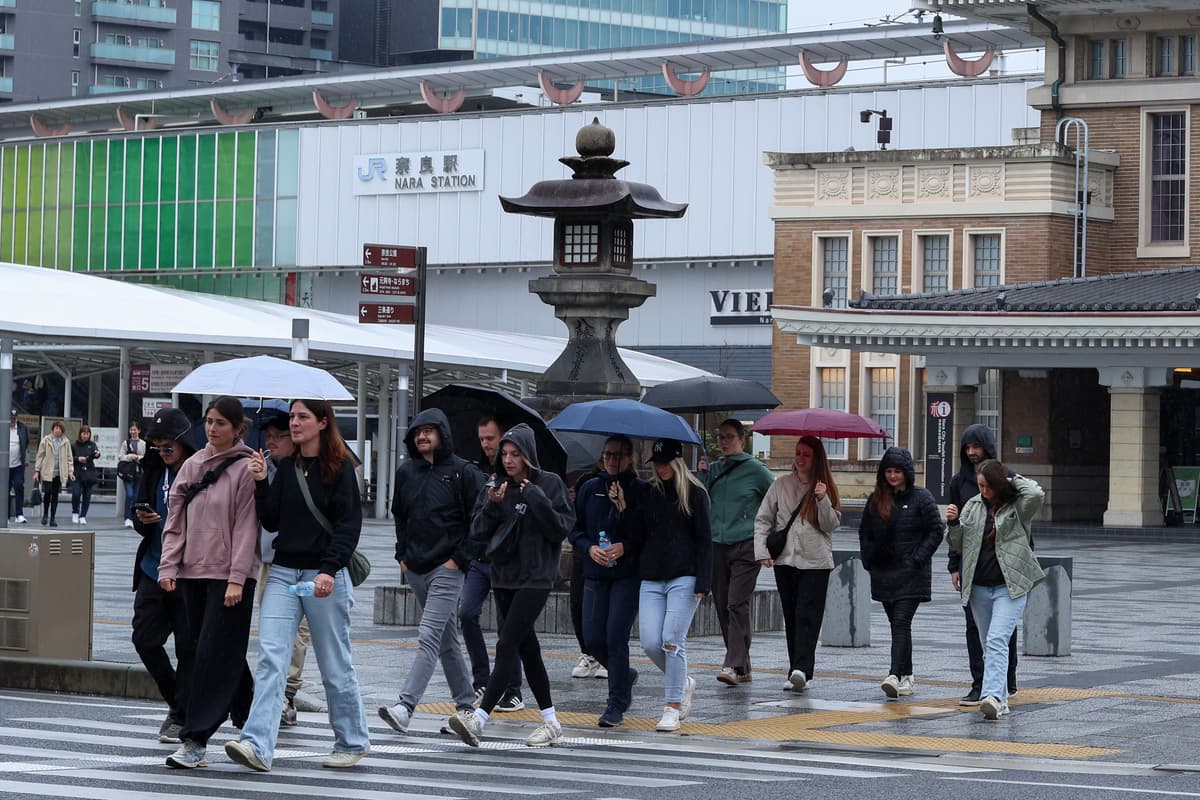
A government advisory group has called for significant changes to Japan’s immigration policy, recommending that foreign residents be legally required to participate in cultural integration programs.
The proposal, submitted Wednesday to the economic security minister, Kimi Onoda, also urges stricter oversight of real estate acquisitions by non-citizens.
Led by head of the National Institute of Population and Social Security Research, Reiko Hayashi, the panel aims to address the challenges facing Prime Minister Sanae Takaichi’s administration as it reshapes policies regarding foreign nationals.
In the last decade, Japan has seen a significant rise in its foreign population, driven by labor shortages and policy shifts, with the foreign resident count reaching nearly 4 million. That is a major increase from earlier years, with substantial growth in most municipalities and growing numbers from China, Vietnam, and Korea.
Lawmakers, facing an aging population and shrinking workforce, have expanded blue-collar visas and offered pathways to permanent residency, signaling a move towards genuine immigration.
But the report highlights a critical gap in current systems — the absence of a standardized national framework to teach immigrants about Japanese language, laws, and customs.
“As a result, some foreigners are having a hard time adjusting to Japanese society,” the panel notes in its report, Japan Times reported. “It is the government’s responsibility to provide foreign residents with a program to continually learn Japanese language and social norms.”
Under the proposed system, participation would become a prerequisite for residence status. The curriculum is designed not just for individuals but as a holistic program for families, requiring engagement both before arrival in Japan and after settling in. The goal is to equip new residents with essential knowledge of administrative procedures and societal expectations.
The report also addresses a corporate divide in how foreign workers are supported. While major corporations often have established support systems, smaller enterprises struggle for resources. The panel suggests that local governments and businesses collaborate to bridge this gap, providing necessary language education and consultation services across the board.
Beyond social integration, the report focuses heavily on national security concerns related to land ownership. With foreign property acquisition on the rise, the panel endorses the government’s upcoming mandate — set for fiscal 2026 — that will require new property owners to declare their nationality in real estate registries.
Recent data underscores the urgency of these measures. In the first half of 2025, overseas buyers purchased 3.5 percent of newly built condominiums in Tokyo’s 23 wards, with Shinjuku Ward seeing a high of 14.6 percent foreign buyers.
Government figures from fiscal 2024 also showed that foreign entities accounted for 3.1 percent of land acquisitions near critical infrastructure, such as nuclear plants and Self-Defense Force bases.
The panel also flagged the need for better monitoring of natural resources, specifically recommending a standardized method for tracking groundwater usage, following the identification of 49 cases involving foreign entities as of last October.