Lawmaker Proposes Transparency Bill After Wegmans Admits Its Stores Collect ‘Biometric Data’

The grocery store chain says Wegmans the technology is used solely for security purposes in stores that ‘exhibit an elevated risk.’
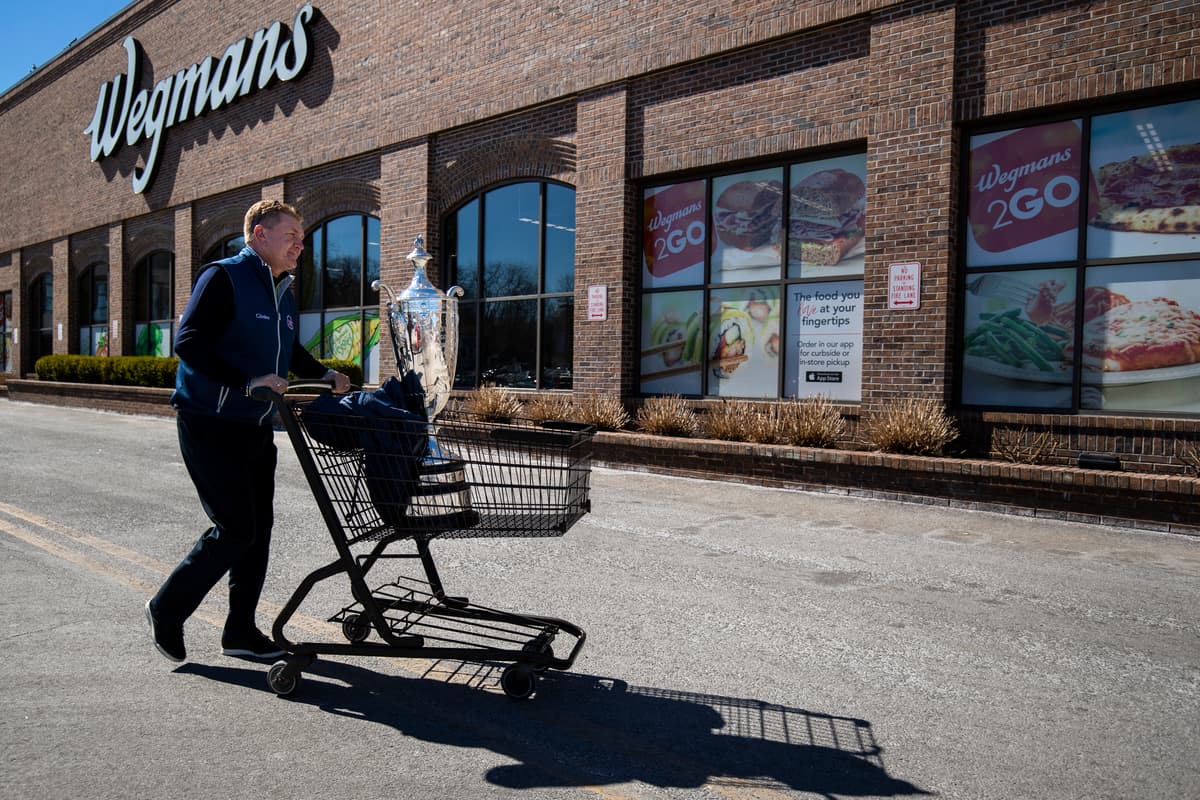

Brett Carlsen/Getty Images
Wegmans 'collects, retains, converts, stores or shares customers’ biometric identifier information which may include facial recognition, eye scans, voiceprints.' Brett Carlsen/Getty Images

A New York county legislator is pushing for new transparency laws regarding “biometric data” collection after it was revealed that Wegmans Food Markets has implemented facial recognition technology in select stores.

Erie County Legislator Lindsay Lorigo on Wednesday announced a proposal for the “Customer Biometric Privacy Act.” The law would mandate that businesses display clear signage at public entrances if they collect biometric data, such as facial recognition scans. It would also prohibit these businesses from selling the data to third parties.

“As this technology becomes more common, consumers deserve to know when their biometric information is being collected in a store,” Ms. Lorigo said in a statement posted on Facebook. “Just like we choose to opt in when we share information through our phones or apps, there should be clear notice when biometric data is being used in public-facing businesses.”

The push for legislation comes after the Rochester-based grocery chain confirmed on Tuesday that it is using facial recognition technology in a “small fraction” of its stores to identify individuals with a history of misconduct. While a 2024 pilot program by the chain reportedly vowed not to save data, new signage at Brooklyn and Manhattan locations indicates that data is now being stored.

According to notices posted in New York City locations that went viral on social media, the store “collects, retains, converts, stores or shares customers’ biometric identifier information which may include facial recognition, eye scans, voiceprints.”

Ms. Lorigo emphasized that her proposal aims to align in-store privacy with the digital consent standards to which consumers are accustomed. “This proposal is about awareness, transparency, and consumer trust,” she said.

Wegmans has said that the technology is used solely for security purposes in stores that “exhibit an elevated risk.” A company representative said in a statement that the system identifies individuals previously flagged for misconduct or those deemed “persons of interest” by their asset protection team or law enforcement.

“At Wegmans, the safety of our customers and employees is a top priority. Like many retailers, we use cameras to help identify individuals who pose a risk to our people, customers, or operation,” a Wegmans representative said, according to Grocery Drive. “This technology is solely used for keeping our stores secure and safe. The system collects facial recognition data and only uses it to identify individuals who have been previously flagged for misconduct. We do not collect other biometric data such as retinal scans or voice prints.”

Regarding data retention, the company said images and video are kept “as long as necessary for security purposes” before being deleted, though they declined to disclose the exact retention period for security reasons. Wegmans maintains that it does not share biometric data with third parties.

The debate over biometric surveillance extends beyond Erie County. In 2021, a New York City law went into effect requiring stores to post signs if they collect biometric data, though reports suggest enforcement has been limited. 

In Monroe County, Legislator Rachel Barnhart also expressed concern, writing a letter to Wegmans CEO Colleen Wegman asking for clarity on where the technology is deployed outside of New York City.

“Reporting on Wegmans’ NYC locations has made clear that biometric surveillance — including facial recognition — is operating in grocery stores where customers have no practical opportunity to provide informed consent or meaningfully opt out,” Ms. Barnhart said in the letter.


The New York Sun

© 2026 The New York Sun Company, LLC. All rights reserved.

Use of this site constitutes acceptance of our Terms of Use and Privacy Policy. The material on this site is protected by copyright law and may not be reproduced, distributed, transmitted, cached or otherwise used.

The New York Sun

Sign in or  create a free account

or
By continuing you agree to our Privacy Policy and Terms of Use