Manufacturing American Citizens: Inside China’s Surrogacy Pipeline to Citizenship
Alarm over reports of Chinese oligarchs having hundreds of American children via surrogates is coloring the increasingly fraught debate.
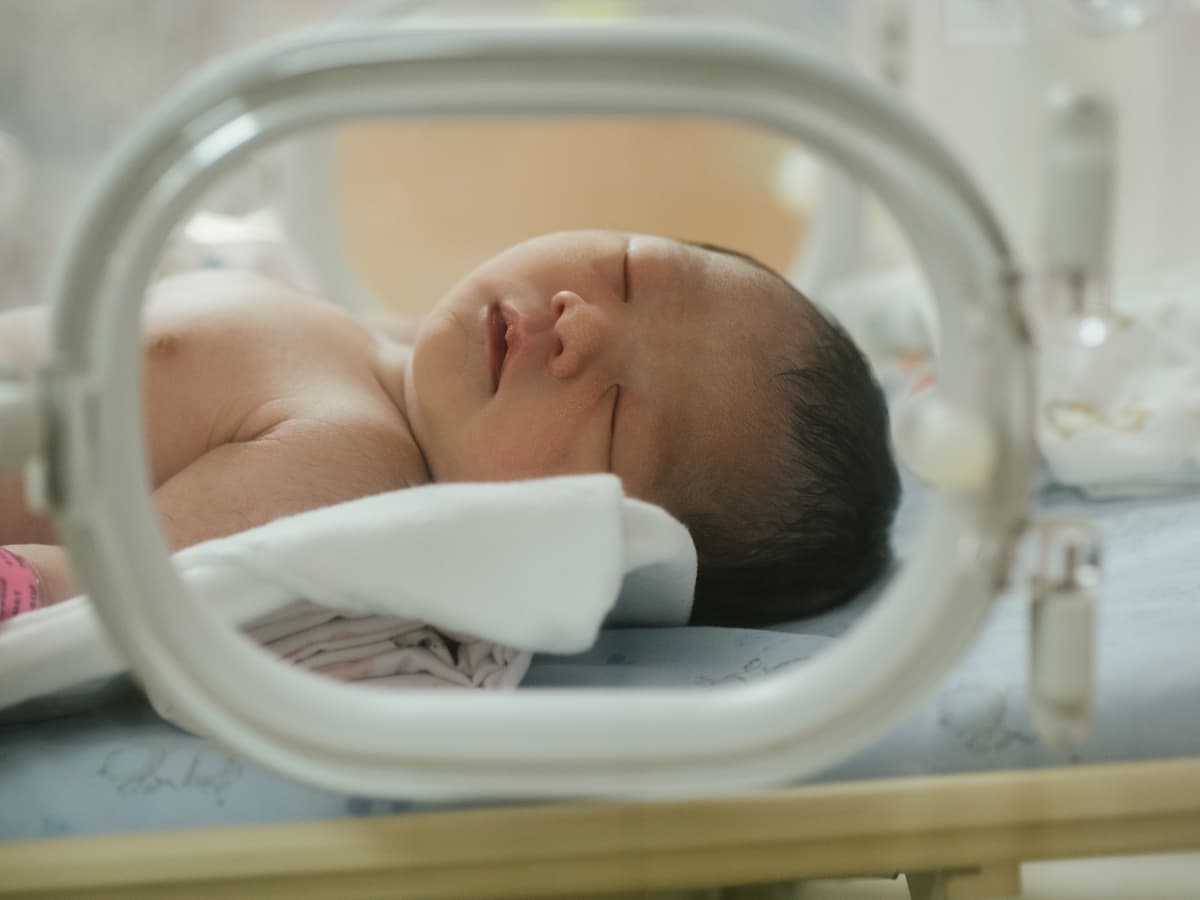
When clerks in a Los Angeles family courtroom began noticing the same name appearing repeatedly on surrogacy petitions in 2023, they uncovered what would become one of the most striking examples of how America’s birthright citizenship laws intersect with its largely unregulated fertility industry.
The name belonged to Chinese billionaire Xu Bo, a videogame executive who told Judge Amy Pellman via video from China that he hoped to father around 20 American-born children, preferably boys, to take over his business empire eventually. His company later confirmed he has commissioned “only a little over 100” American children through surrogacy, most of whom he has never met.
Mr. Bo’s case represents the extreme edge of a growing phenomenon among China’s ultra-wealthy elite. These individuals are leveraging America’s fragmented surrogacy system and birthright citizenship laws to create what critics describe as instant dynasties of American citizens without ever setting foot on United States soil.
The practice has triggered federal investigations, legislative action, and intensified debate over whether foreign nationals are weaponizing the 14th Amendment for strategic purposes.
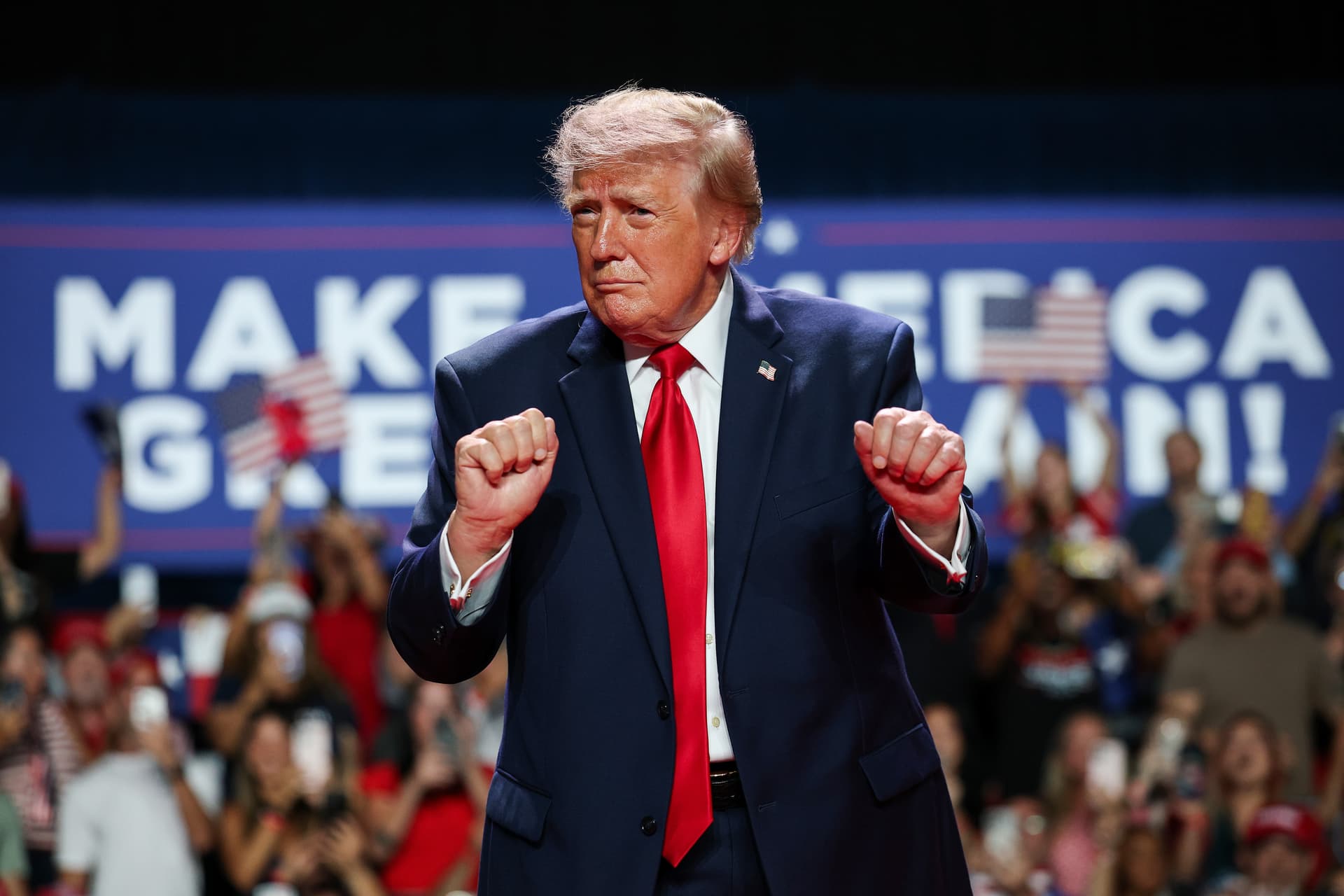
The controversy also comes as the Trump Administration is seeking to end birthright citizenship across the board. The Supreme Court has agreed to hear the case this coming spring, alarming supporters of birthright citizenship who’d assumed the courts would summarily dismiss President Trump’s efforts.
The Industrial-Scale Baby Factory
Research by Emory University found that between 2014 and 2020, Chinese clients made up 41.7 percent of international surrogacy parents in the United States. Each child born on American soil automatically receives citizenship under the 14th Amendment, regardless of the parents’ nationality, and even if both parents have never entered the country (the 14th amendment was ratified, in a post Civil War effort to guarantee citizenship to ex-slaves, a century before the innovation of in vitro fertilization).
The surrogacy-to-citizenship process has become remarkably streamlined. Wealthy Chinese clients can ship genetic material to the United States, hire surrogates through specialized agencies, and receive newborns through networks of nannies and legal representatives without ever boarding a plane.
Family and constitutional law in America has yet to catch up with science, and judges tend to make decisions about children based on where the infant was physically born, not where the child was conceived (such as in a lab in Asia).
Indeed, the scale of some operations defies conventional understanding of parenthood. For decades, wealthy Chinese women have been coming to the U.S. late in their pregnancies, specifically with the goal of giving birth to American citizens, then returning to China. But ultra wealthy Chinese men’s use of in vitro fertilization, egg donors and surrogates on a mass scale has taken things to a whole new level.
Chinese education executive, Wang Huiwu, reportedly commissioned 10 daughters through American egg donors, selecting models and professionals with desirable traits.
According to people close to his company, Mr. Huiwu envisions strategically marrying these daughters to powerful men. CEO of IVF USA, Nathan Zhang, told The Wall Street Journal that some wealthy Chinese clients have requested hundreds of American-born babies, aiming to forge what he described as an “unstoppable family dynasty.”
The commercial infrastructure supporting this practice has become highly sophisticated. Surrogacy agencies, IVF clinics, legal firms, and nanny services operate across California and other states with permissive laws, facilitating arrangements that can cost up to $200,000 per child.
The industry’s fragmented nature means there’s no central registry tracking how many children individual clients commission. One California agency owner admitted that a client panicked when receiving a baby, saying they were already caring for two others, unaware that the client had secretly hired multiple agencies simultaneously.
Law Enforcement Raises Alarms
The practice has drawn scrutiny from federal investigators. FBI and Homeland Security officials have interviewed surrogates who worked with Chinese clients, though authorities have not publicly commented on the purpose of these investigations. A separate federal probe is examining a Chinese-American couple accused of human trafficking after commissioning over two dozen children.
The most disturbing case involved Guojun Xuan and his wife in Arcadia, California. 21 children, most born through surrogacy, were taken into protective custody after a two-month-old suffered a traumatic head injury. Investigators described aa home where young children were subjected to severe discipline, and the FBI worked with local police to understand how the operation functioned.
The couple, who operated a surrogacy agency called Mark Surrogacy from their mansion, allegedly used the business solely to produce children for themselves. Notably, Mr. Xuan served as a senior Chinese government official for at least two decades with the Xinjiang Uyghur Autonomous Region People’s Congress, responsible for repressive policies contributing to the ongoing atrocities against Uyghurs and other ethnic minorities.
Meanwhile, Judge Pellman’s 2023 decision to deny Mr. Bo parental rights represented a rare judicial intervention in an industry where such requests are typically rubber-stamped.
The judge concluded that Mr. Bo’s plan looked less like building a family and more like treating children as goods on a production line. Her ruling left several of his children in legal limbo, but experts say Mr. Bo may be refiling in different jurisdictions where judges proved more accommodating.
Social media accounts linked to him blamed the decision on what one post called “sabotage by feminists and malicious rulings by a female judge,” though no public record confirms a successful appeal – yet.
Legislative Response and National Security Concerns
The revelations have prompted legislative action at the federal level. In November, Senator Rick Scott introduced the SAFE KIDS Act, which would invalidate any commercial surrogacy agreement entered into with citizens of foreign adversarial nations, specifically targeting China. The bill would make it a misdemeanor for brokers to knowingly facilitate such arrangements, though it would not penalize the surrogate mothers themselves.
Mr. Scott stated that international commercial surrogacy raises serious national security and human trafficking concerns. Other industry experts claim that American birthright citizenship law – born out of the Civil War – has unintendedly turned the United States into a sanctuary for outsourced pregnancy, providing wealthy foreigners with a clear path not only to a child but to American citizenship.
The national security implications extend beyond the immediate exploitation of surrogacy laws. Children born through these arrangements hold valid American passports and will eventually be able to vote, run for office, and sponsor family members for immigration.
Critics argue that when these children return to China and are raised there, American authorities lose track of who they are, creating potential vulnerabilities. Anyone could theoretically use the passport issued in a child’s name, and children with access to virtually unlimited funds through their parents could purchase political influence in the United States while maintaining primary loyalties to China.
“There are significant national security implications, as we are giving a free pass for foreign nationals to enter the U.S. at will,” Founding Director of The Claremont Institute’s Center for Constitutional Jurisprudence, John Eastman, tells the Sun.
“This is more driven by the Supreme Court’s decisions in the 1960s, making it all but impossible for citizenship to be relinquished, no matter how clear the actions in favor of the foreign sovereign are,” said Mr. Eastman, who’s best known for his legal strategies on Mr. Trump’s behalf to challenge the results of the 2020 election.
The Constitutional Question
The practice has intensified debate over birthright citizenship itself and the backlash could affect the much larger and more fraught debate over whether children born on American soil to illegal immigrants are American citizens.
The 14th Amendment states that all persons born in the United States and subject to its jurisdiction are citizens. However, constitutional scholars dispute whether the current interpretation aligns with the framers’ intent.
“The current interpretation of citizenship to anyone born on U.S. soil, no matter the circumstances, which is not codified in any law or court holding (as opposed to some dicta), does not align with the framers’ intent,” Mr. Eastman noted.
“As the drafters and primary sponsors of the 14th Amendment stated repeatedly, the requirement that one be ‘subject to the jurisdiction’ of the United States meant complete jurisdiction, not a partial jurisdiction so as requires being subject to the law while present. This is true for children of illegal aliens as well as temporary visitors, and it necessarily would be true for birth tourists and even more so for birth by surrogacy.”
President Trump – taking aim at illegal immigrants, mostly poor migrants from Latin America, who have children in the United States known to immigration opponents as “anchor babies” – issued an executive order in January seeking to end automatic citizenship for children born to non-citizen parents, yet federal courts blocked the order. The Supreme Court agreed in December to hear arguments on the case, with oral arguments expected in spring 2026 and a ruling by summer 2026.
The case – expected to end in a landmark decision – could determine whether the framers of the 14th Amendment, who sought to secure citizenship for freed slaves and their children, intended to create what critics describe as a global entitlement program for foreign elites.
The Department of State attempted to address so-called birth tourism in 2020 by tightening visa regulations for pregnant women suspected of traveling to the United States primarily to give birth. However, surrogacy arrangements circumvent these restrictions entirely since the biological parents never need to enter the country.
Commercial surrogacy is banned in China, France, and Australia, but the United States has no federal restrictions, and laws vary widely by state, with California among the most permissive. Americans can have embryos fertilized in an American lab implanted in surrogate mothers overseas, often in India, to save money, and bring the newborns back to America.
Spokesman for the Chinese Embassy in the United States, Liu Pengyu, said that Beijing believes surrogacy can lead to a serious family and social ethical crisis. Yet foreign surrogacy agencies continue to operate openly within China, marketing American birthright citizenship as a premium service to wealthy clients.
Viability of Federal Legislation
Regarding Senator Scott’s SAFE KIDS Act, Mr. Eastman believes the legislation could withstand constitutional challenges despite addressing a complex legal landscape.
“Because we’re dealing with American citizen mothers, the children born in these arrangements would have U.S. citizenship even under my view of the Citizenship Clause and the one espoused in President Trump’s executive order,” he explained.
“But the SAFE KIDS Act does not appear to alter that. Rather, it addresses and makes illegal the surrogacy contracts themselves, imposes criminal penalties on the brokers, and invalidates the surrogacy obligations so that the surrogate mother need not hand the baby over to the foreign national. I think all that will be upheld against legal challenge.”
The constitutional complexity arises from a critical distinction. When the surrogate mother is herself a United States citizen, the child would have citizenship through the mother, regardless of the father’s nationality. The SAFE KIDS Act, therefore, focuses not on citizenship status but on the contractual and commercial aspects of the surrogacy arrangement itself.
Children as Strategic Assets
These cases reveal a model of reproduction detached from traditional ideas of family, in which children are treated less as individuals than as products of an industrialized fertility system. Mr. Bo, who has publicly described himself as “China’s first father” and expressed a desire for “50 high-quality sons,” has dozens of children raised by rotating nannies in California, many of whom have never met their biological fathers.
Law enforcement investigations and testimonies from adults raised in similar arrangements suggest lasting psychological harm, reinforcing judicial concerns about commodification. As the Supreme Court prepares to revisit the issue in 2026, these children highlight the growing gap between the 14th Amendment’s original intent and the way birthright citizenship is used today.