New Global Tax Agreement Will Allow Countries To Impose Minimum Taxes on Multinational Firms — Unless They Are American
Secretary Bessent says a new agreement is a ‘historic victory’ to preserve American sovereignty.
American multinational companies have secured a big victory in a new global minimum tax agreement that the Trump administration says will help preserve American jobs and protect the nation’s leadership in innovation.
Nearly 150 countries have agreed on key elements of a plan aimed at protecting the ability of countries to have first taxing rights over income generated on their soil. The agreement, however, carves out an exemption for American firms.
The Organization for Economic Co-operation and Development says the “significant political and technical agreement” comes after months of intense negotiations. It is aimed at reducing taxing complexity and protecting tax bases.
The secretary general of the organization, Mathias Cormann, said a statement that he is looking forward to “the implementation of this package, as well as to future proposals for further simplifications of the global minimum tax rules and compliance burdens.”
The global minimum tax’s goal is to block huge multinational firms from avoiding taxes by locating to or booking income in low-tax countries.
The deal would allow governments to collect a 15 percent global minimum tax from multinationals operating subsidiaries in their country if they are not being charged at least that amount where they are headquartered. The Biden administration agreed to the tax framework in 2024 but President Trump pulled out of the agreement on his first day back in office because of its potential harm to American firms.
The new agreement excludes American-based corporations with overseas operations from paying the global minimum tax. American-headquartered companies will now only remain subject to United States taxes, and other countries will be blocked from imposing additional taxes on foreign subsidiaries of American multinationals.
The tax transparency group FACT Coalition is blasting the new agreement calling it a “regrettable setback” against corporate tax avoidance.
“This deal risks nearly a decade of global progress on corporate taxation only to allow the largest, most profitable American companies to keep parking profits in tax havens,” the group’s policy director, Zorka Milin, said in a statement. “The Trump administration has chosen to prioritize maintaining rock-bottom taxes for big corporations to the detriment of ordinary Americans and our allies across the globe.”
The Treasury Department previously reached a separate deal with the Group of 7 nations that included the removal of a proposed “revenge tax” from the One Big Beautiful Bill Act of 2025 in exchange for exempting American companies with some taxes.
The revenge tax would have allowed the Treasury to increase levies on imports from companies based in locations deemed to have “discriminatory” taxes on American companies. Critics were concerned that could have hurt the ability to attract overseas investment to America.
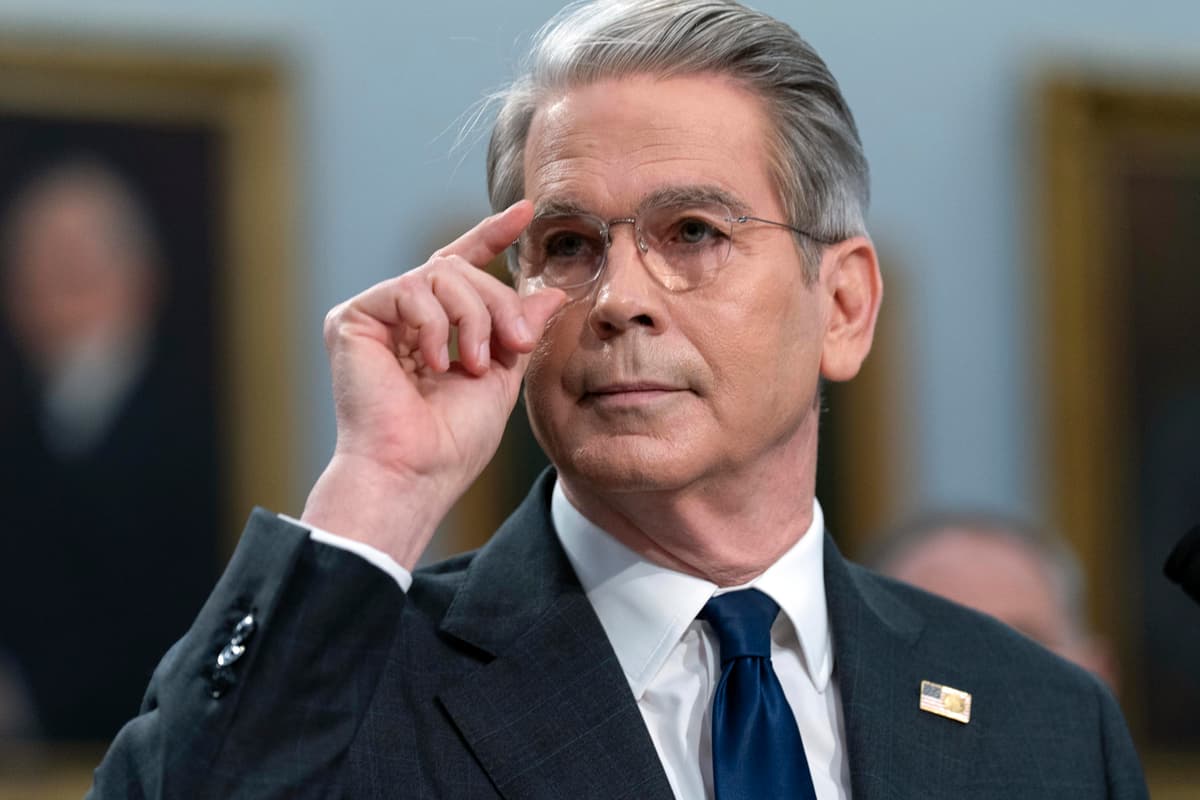
“This side-by-side agreement recognizes the tax sovereignty of the United States over the worldwide operations of U.S companies and the tax sovereignty of other countries over business activity within their own borders,” Treasury Secretary Scott Bessent said in a statement.
Calling it a “historic victory” to preserve American sovereignty, Mr. Bessent says the agreement protects American workers and businesses from global overreach.
“Today marks another significant milestone in putting America First and unwinding the Biden Administration’s unilateral global tax surrender,” Senate Finance Committee Chairman Mike Crapo and House Ways and Means Committee Chairman Jason Smith said in a joint statement in support of the agreement.
The global minimum tax agreement comes amid a fight over the European Union moving to charge digital taxes on American tech firms like Amazon and Google’s owner, Alphabet. The Trump administration says they are being unfairly targeted with excessive taxes. Mr. Bessent says he now wants a “move toward a constructive dialogue on the taxation of the digital economy.”