New York Implements ‘Black Box’ Warnings for Social Media Platforms, Setting Stage for Legal Battle With Trump

Platforms with ‘predatory features’ designed to maximize engagement will be required to prominently display the mental health warnings on their sites.


AP/Michael Dwyer
TikTok is wildly popular among young people. AP/Michael Dwyer

A New York regulation requiring major social media companies to provide labels about their potential harm to the mental health of young users was signed into law Friday, setting the state on course for a likely court battle with President Trump’s Department of Justice.

“Keeping New Yorkers safe has been my top priority since taking office, and that includes protecting our kids from the potential harms of social media features that encourage excessive use,” Governor Kathy Hochul said in a prepared statement upon signing the bill.

“New Yorkers deserve transparency. With the amount of information that can be shared online, it is essential that we prioritize mental health and take the steps necessary to ensure that people are aware of any potential risks.”

The  Warning Labels for Addictive Social Media Platforms Act, passed by the state legislature in June, targets platforms with specific “predatory features” designed to maximize engagement, such as infinite scroll, autoplay, algorithmic feeds, like counts, and push notifications.

The state commissioner of mental health “will be responsible for designing warning labels based on peer-reviewed research about the potential negative impacts of social media on mental health, including links to anxiety, depression, body dysmorphia, and disrupted sleep patterns,” the legislation says.

The state’s attorney general is authorized to bring legal action and seek civil penalties of up $5,000 whenever the law is violated.

Platforms likely to be affected include TikTok, Instagram, Facebook, YouTube, Snapchat, and X. Spokespeople for TikTok, Snap, Meta, and Alphabet did not immediately respond to requests for comment from Reuters.

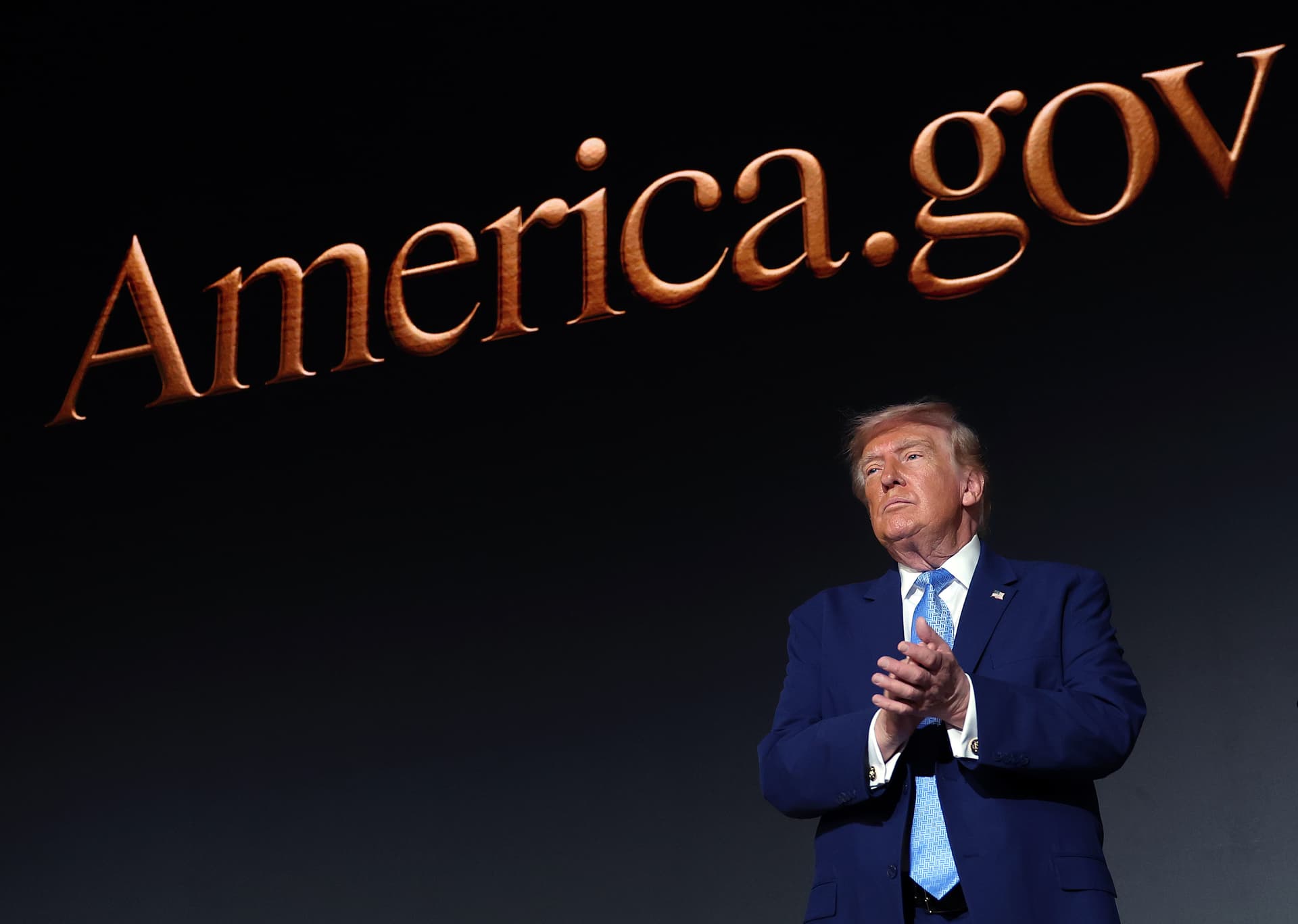
The legislation puts the state on a likely collision course with Mr. Trump, who on December 11 issued an executive order that seeks to preempt state regulations  the administration sees as “onerous” or “obstructive to innovation.” The order instructs federal agencies to challenge state laws that conflict with a single “minimally burdensome” national framework.

New York and several other states have already vowed to go ahead with laws regulating the social media sphere in defiance of Mr. Trump, almost guaranteeing a drawn-out legal battle that could hinge on constitutional issues including the 1st and 10th Amendments, the latter concerning states’ rights. As many as 38 states have laws governing social media or artificial intelligence that could be subject to a federal challenge.

Ms. Hochul’s signing statement compares the warning labels required by the legislation to those found on products such as tobacco, plastic packaging, certain high-sugar and sodium food products, and some video games.

“To combat the mental health risks of using harmful features of social media platforms that prolong use, this legislation will require social media companies to display warning labels on their platforms when a young user initially uses the predatory feature and periodically thereafter, based on continued use,” the statement says. “Users will not be able to bypass or click through the warnings.”

The law applies to conduct that occurs “partly or wholly in New York” but excludes users physically outside the state. The major platforms can be expected to comply through “virtual fencing” that would use GPS, IP addresses, and cellular data to restrict the warnings to users in New York State. 


The New York Sun

© 2025 The New York Sun Company, LLC. All rights reserved.

Use of this site constitutes acceptance of our Terms of Use and Privacy Policy. The material on this site is protected by copyright law and may not be reproduced, distributed, transmitted, cached or otherwise used.

The New York Sun

Sign in or  create a free account

or
By continuing you agree to our Privacy Policy and Terms of Use