

Parishioners Threaten To Withhold Donations if the Church of England Pays Reparations
The church plans to pay out 100 million British pounds to atone for its links to slavery.
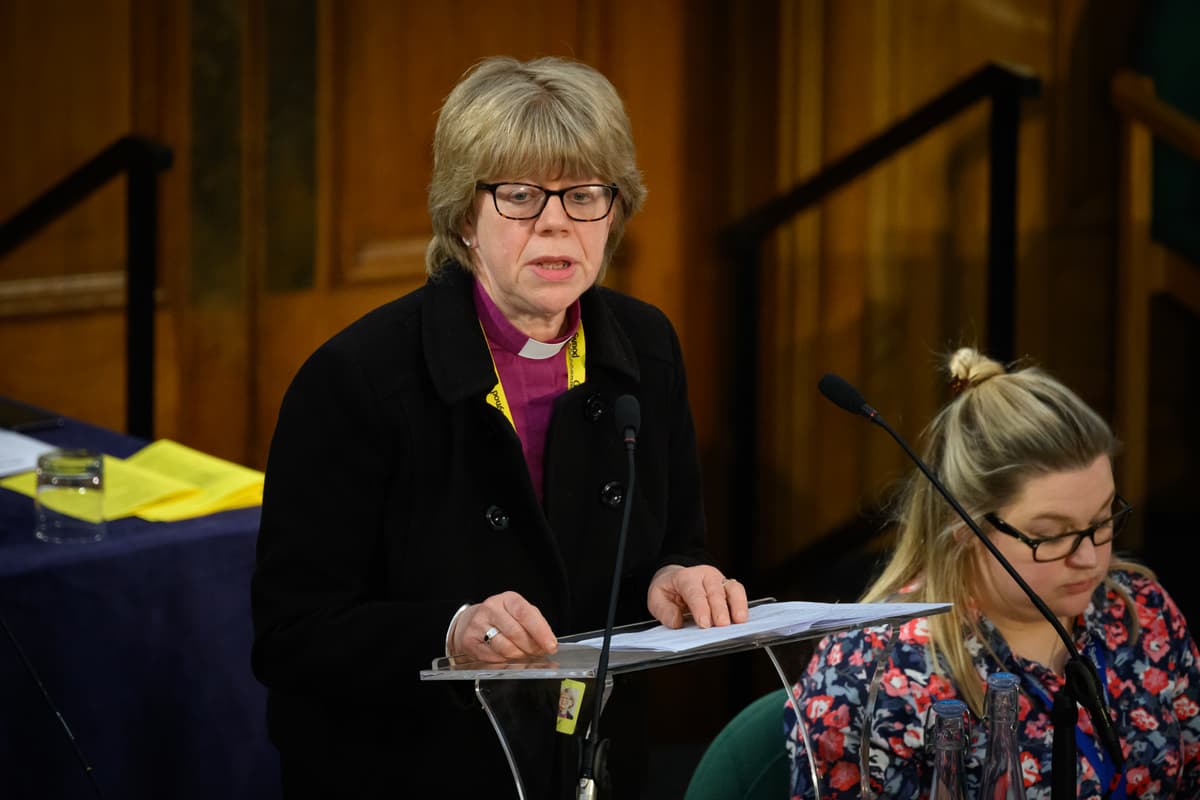
The Church of England faces a collection plate rebellion if it moves forward with a plan to pay reparations over a past connection to the slavery trade.
Church commissioners set up a reparations program in 2023 called Project Spire and set aside 100 million British pounds â equivalent to about $133 million â to provide payouts atoning for misdeeds generations earlier. The funding is to benefit communities affected by the historic transatlantic slave trade. No funds have been distributed yet.
The archbishop of Canterbury at the time, Justin Welby, approved the plan after a 2022 report found that money set aside to pay clergy had been invested in the South Sea Company, which transported thousands of slaves from Africa to South America.
âI am deeply sorry for the links with transatlantic chattel slavery,â Archbishop Welby said. âThat some within the Church actively supported and profited from it is a source of shame.â
A new poll of 500 active Anglicans shows most members do not support allocating church funds to reparations.
Some 81 percent of churchgoers who responded to a poll by Merlin Strategy want the church to support local parishes financially instead of using the money to pay for reparations.
The poll also found that 61 percent of parishioners would donate more to other charities if the church allocated money to reparations and 64 percent of respondents said it is not the role of the church to use funds to atone for previous injustices such as slavery.
A report last year by the right-leaning think tank Policy Exchange called Project Spire âhistorically uninformedâ and said it may lack legal justification.
The church said in a statement that the fund is being developed âtransparentlyâ and is in line with âcharity law, our fiduciary duties, and our moral purpose.â The money would be placed into a separate charitable fund designed to grow as payments are distributed over a nine year period.
Two dozen members of Parliament have called on the incoming Archbishop of Canterbury, Sarah Mullally, to reconsider the plan. In a letter addressed to Bishop Mullally, the parliamentarians said the money should be used to support local parishes and maintain church buildings.
It is unclear whether the bishop, who will be formally installed this month, supports continuing the plan.
The Episcopal Church in America has called for the formation of a congressional commission to study reparations and draft proposals for the government moving forward.
Episcopal dioceses in several states have been studying and setting up reparation programs for several years. The Episcopal Diocese of Maryland started accepting applications this week for a new round of reparations grants. It will award $50,000 grants in May to organizations doing work to restore black communities.
The Episcopal Diocese of New York announced in July that it would dedicate $1 million to racial reparations. A commission was announced to consider making direct payments to descendants of slaves.