

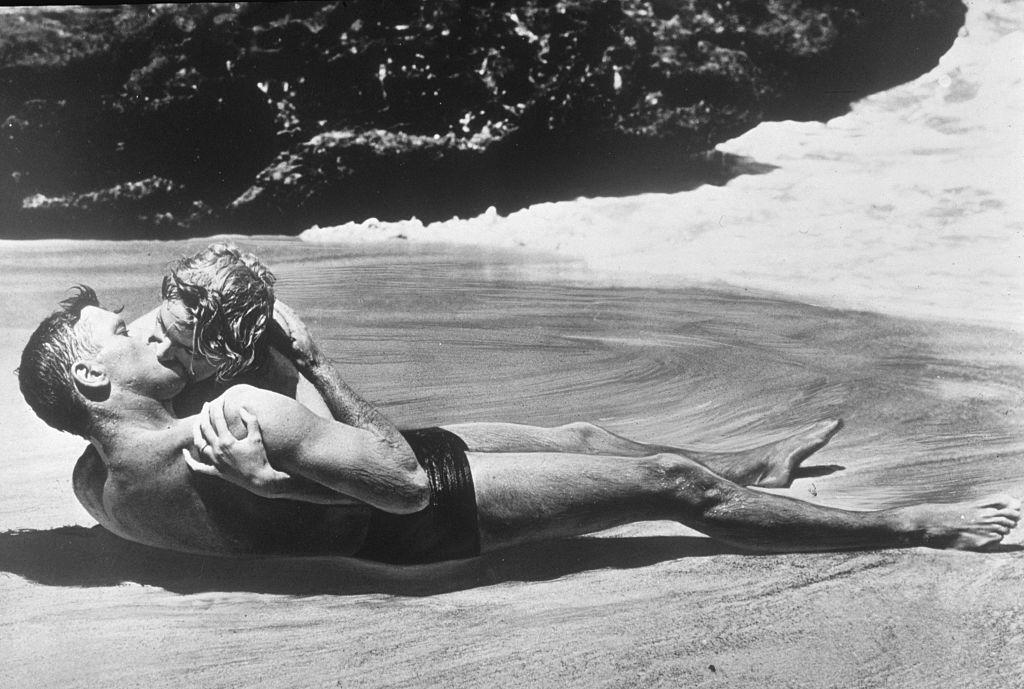
Keeping Up With the Joneses, for Eternity
By CARL ROLLYSON
|Thomas Warton may be little remembered, but he lives at least in Johnson’s laughter — a complaint that can be transferred to much much-labored art: ‘All is strange, yet nothing new.’
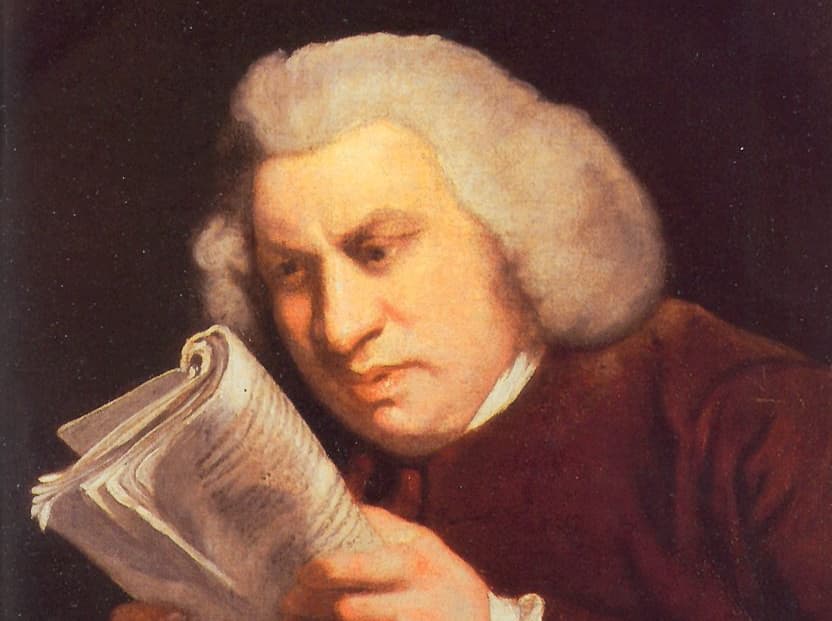
Everyone knows of James Boswell (1740–1795) and his 1791 “Life of Samuel Johnson.” But another important source of tittle-tattle about the age is Hester Thrale’s 1786 “Anecdotes of the Late Samuel Johnson.” And it’s there that we find today’s Poem of the Day, a little comic verse for a Wednesday in August. “When Tom Warton published his Poems in Jan: 1777. — nobody read ’em,” Mrs. Thrale writes. “Warton’s Poems are come out says Mr. Johnson; yes replied I, and this cold weather has struck them in again: I have written verses to abuse them says he, but I can repeat but two or three of them, and those you must say nothing of, for I love Thomas look you — tho’ I laugh at him.” Thomas Warton (1728–1790) may be little remembered, but he lives at least in Johnson’s laughter — a complaint that can be transferred to much much-labored art: “All is strange, yet nothing new.”
By CARL ROLLYSON
|
By ROSS ANDERSON
|
By WILL FRIEDWALD
|
By BRADLEY CORTRIGHT
|
By LUKE FUNK
|
By DONALD KIRK
|
By THE NEW YORK SUN
|
By GEORGE WILLIS
|Everyone knows of James Boswell (1740–1795) and his 1791 “Life of Samuel Johnson.” But another important source of tittle-tattle about the age is Hester Thrale’s 1786 “Anecdotes of the Late Samuel Johnson.” And it’s there that we find today’s Poem of the Day, a little comic verse for a Wednesday in August. “When Tom Warton published his Poems in Jan: 1777. — nobody read ’em,” Mrs. Thrale writes. “Warton’s Poems are come out says Mr. Johnson; yes replied I, and this cold weather has struck them in again: I have written verses to abuse them says he, but I can repeat but two or three of them, and those you must say nothing of, for I love Thomas look you — tho’ I laugh at him.” Thomas Warton (1728–1790) may be little remembered, but he lives at least in Johnson’s laughter — a complaint that can be transferred to much much-labored art: “All is strange, yet nothing new.”
Already have a subscription? Sign in to continue reading
Cancel anytime
By continuing you agree to our Privacy Policy and Terms of Service.
Cancel anytime