


Why Amazon’s A-List Stars Are Increasingly Giving its Film Studio Bad Reviews
By ALEXANDER LARMAN
|Today’s poem hints at Emily Brontë’s intensity of feeling for the wind-scoured harshness of the natural world that surrounded her.
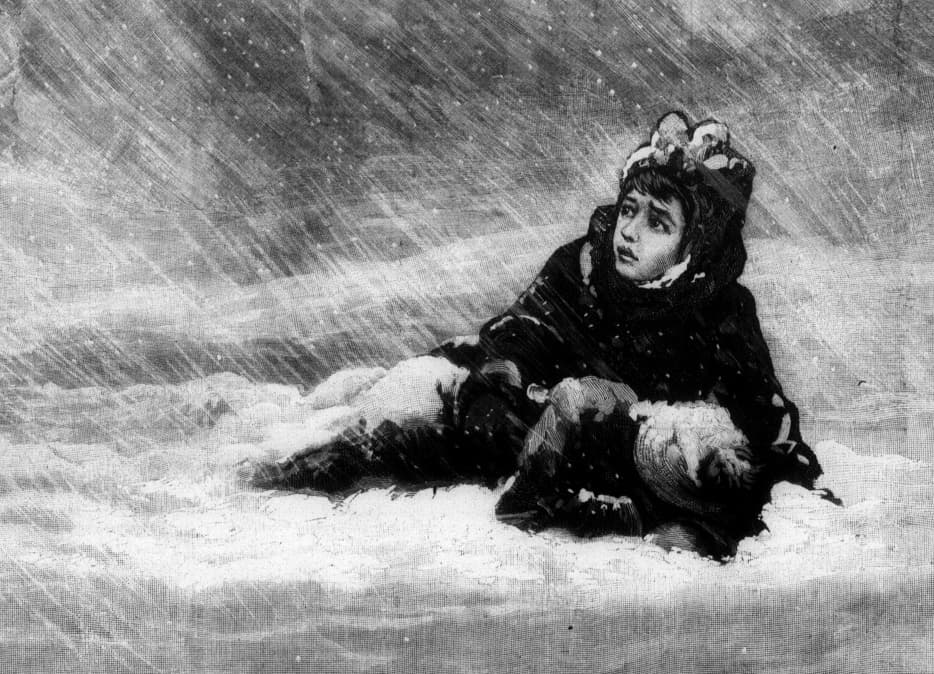
Emily Brontë (1818–1848), novelist, author of “Wuthering Heights,” was the second youngest of the famous literary siblings in the parsonage at Haworth in Yorkshire. She survives in the reminiscences of her older sister, Charlotte, as a reclusive figure, “not naturally gregarious,” withdrawn into fantasy worlds, so feverishly in love with the Yorkshire moors that she suffered crippling homesickness when away from them.
By ALEXANDER LARMAN
|
By THE NEW YORK SUN
|
By BRADLEY CORTRIGHT
|
By LAWRENCE KUDLOW
|
By THE NEW YORK SUN
|
By MATTHEW RICE
|
By LUKE FUNK
|
By A.R. HOFFMAN
|Emily Brontë (1818–1848), novelist, author of “Wuthering Heights,” was the second youngest of the famous literary siblings in the parsonage at Haworth in Yorkshire. She survives in the reminiscences of her older sister, Charlotte, as a reclusive figure, “not naturally gregarious,” withdrawn into fantasy worlds, so feverishly in love with the Yorkshire moors that she suffered crippling homesickness when away from them.
Already have a subscription? Sign in to continue reading
Cancel anytime
By continuing you agree to our Privacy Policy and Terms of Service.
Cancel anytime