President Trump Proposes One-Year 10 Percent Cap on Credit Card Interest Rates Amid Industry Pushback

A coalition of industry groups swiftly issued a joint statement warning that the cap could backfire.

Nam Y. Huh/AP
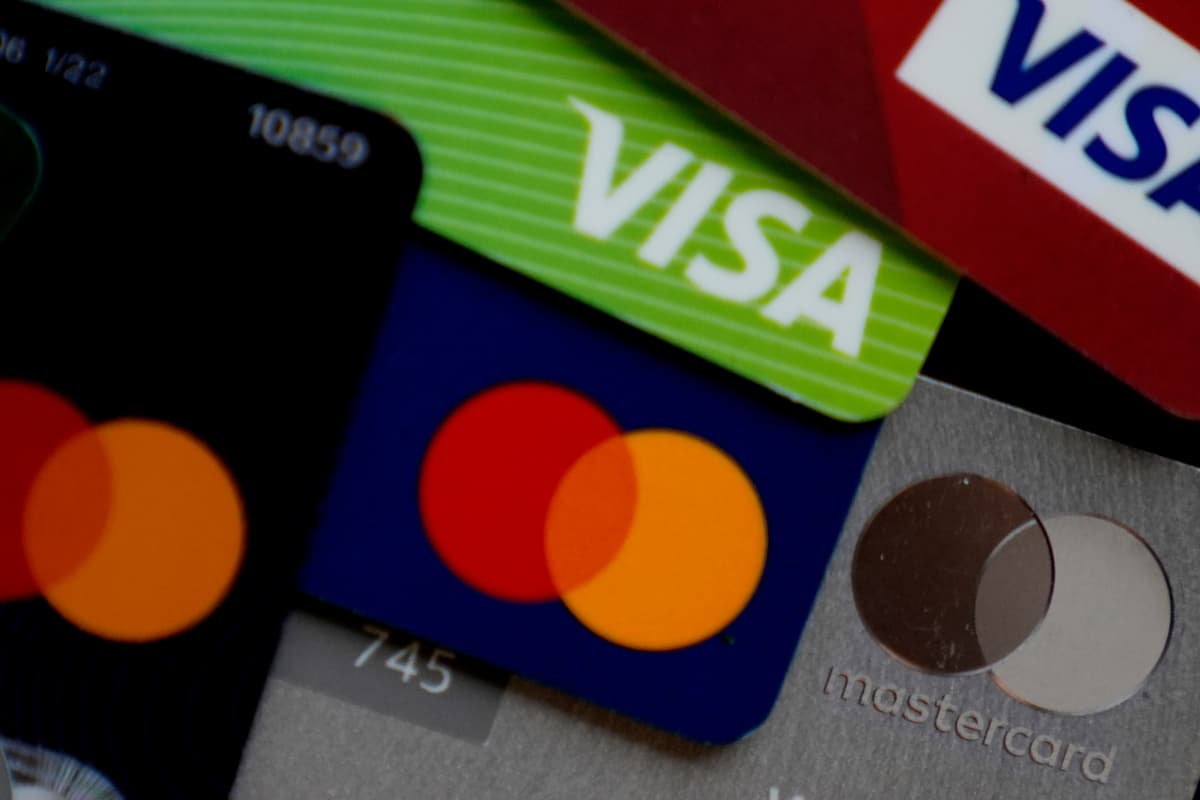
Visa and Mastercard credit cards are shown at Buffalo Grove, Illinois, on February 8, 2024. Nam Y. Huh/AP

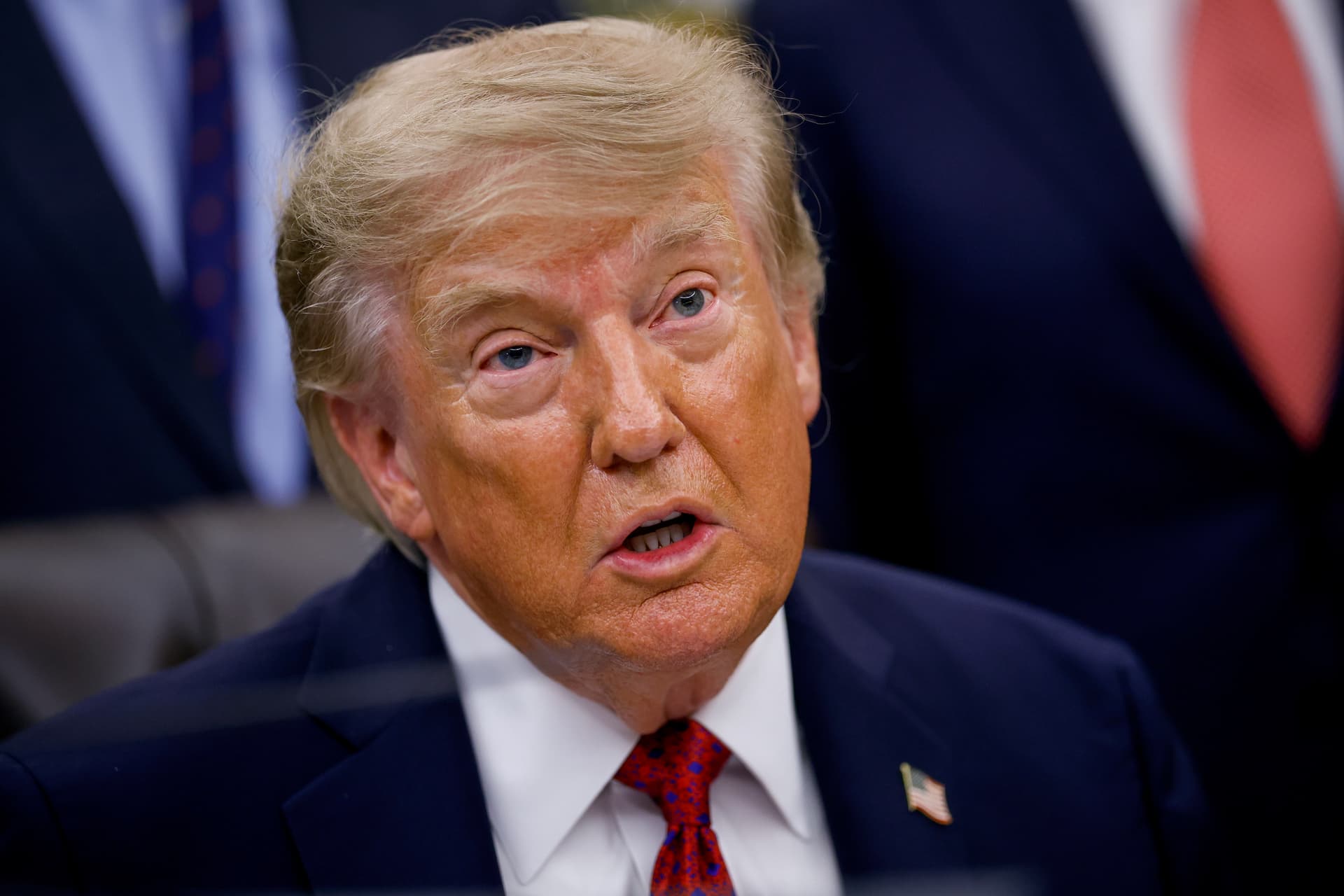
President Trump has called for a temporary 10-percent cap on credit card interest rates, a proposal aimed at addressing the rising cost of living but one that has drawn immediate warnings from the banking industry regarding consumer access to credit.

In a post on Truth Social late Friday, the president argued that the American public is being “ripped off” by current lending practices, citing “AFFORDABILITY!” as the primary rationale for the move.

“Please be informed that we will no longer let the American Public be ‘ripped off’ by Credit Card Companies that are charging Interest Rates of 20 to 30%, and even more, which festered unimpeded during the Sleepy Joe Biden Administration,” Mr. Trump wrote.

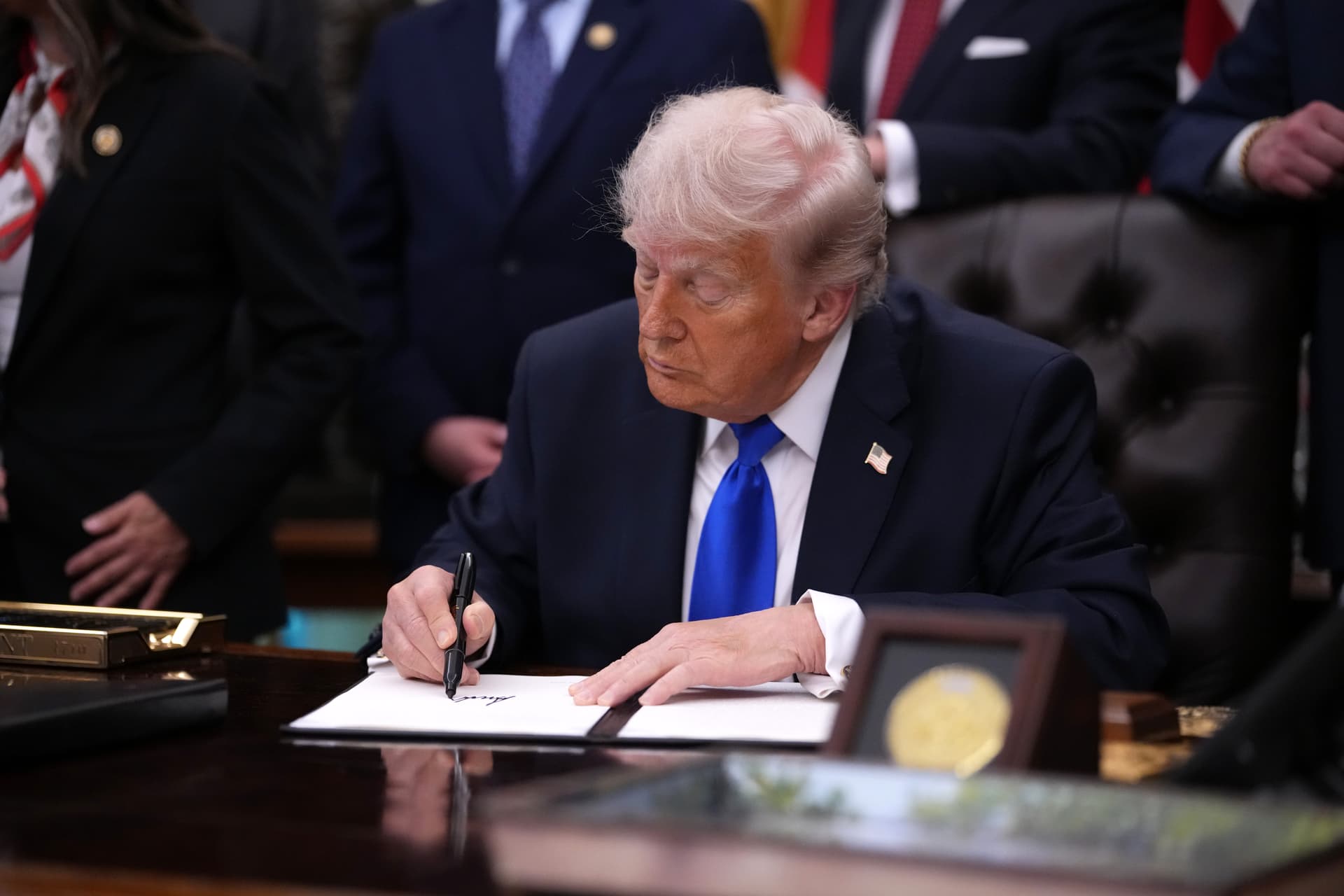
“Effective January 20, 2026, I, as President of the United States, am calling for a one-year cap on Credit Card Interest Rates of 10%. Coincidentally, the January 20th date will coincide with the one year anniversary of the historic and very successful Trump Administration,” he wrote.

He did not, however, specify any mechanism for enacting the cap, leaving it unclear whether he intends to use executive action, seek legislation, or request voluntary compliance from credit card companies.

The proposal faced swift opposition from financial institutions. A coalition of industry groups — including the American Bankers Association, the Bank Policy Institute, and the Consumer Bankers Association — issued a joint statement Friday night warning that the cap could backfire.

“We share the President’s goal of helping Americans access more affordable credit,” the industry groups said. “At the same time, evidence shows that a 10% interest rate cap would reduce credit availability and be devastating for millions of American families and small business owners who rely on and value their credit cards, the very consumers this proposal intends to help.”

The coalition argued that capping rates significantly below the current average of over 20 percent would force lenders to tighten standards, potentially cutting off riskier borrowers. “If enacted, this cap would only drive consumers toward less regulated, more costly alternatives,” the groups said.

Billionaire investor and Trump supporter Bill Ackman also voiced concern, calling the idea a “mistake.” He warned that if lenders cannot cover losses and earn returns, “credit card lenders will cancel cards for millions of consumers, who will have to turn to loan sharks.”

I think President Trump’s goal of reducing credit card interest rates is a worthy and important one,” he wrote on X. “The best way to bring down rates would be to make it more competitive by making the regulatory regime more conducive to new entrants and new technologies. 
 Finding a way to bring down credit card rates without taking credit away from many Americans would have a very positive impact on the most disadvantaged Americans.”

Despite industry opposition, the concept of capping credit card rates has found support across the political spectrum. Last year, Republican Senator Josh Hawley and Independent Senator Bernie Sanders introduced legislation to impose a similar 10-percent cap.

“We cannot continue to allow big banks to make huge profits ripping off the American people,” Mr. Sanders said in a joint press release with Mr. Hawley at the time.

Congresswoman Anna Paulina Luna, a Florida Republican who introduced a similar measure in the House alongside Democratic Congresswoman Alexandria Ocasio-Cortez, has also criticized current lending practices. “For too long, credit card companies have abused working class Americans with absurd interest rates, trapping them in an almost insurmountable amount of debt,” Ms. Luna said in a statement.

Mr. Trump’s proposal comes as Americans grapple with record levels of debt. According to the Federal Reserve Bank of New York, Americans owed a total of $1.23 trillion in credit card balances in the third quarter of last year. A 2024 study by NerdWallet found that the average household with credit card debt owed $10,563.

The announcement follows a week of economic policy directives from the president, including orders for federal agencies to buy mortgage bonds to lower home costs and proposals to ban institutional investors from purchasing single-family homes. 

These moves appear to be an effort to combat low public approval regarding the economy; a recent CNN poll indicated that 61 percent of Americans believe Trump’s policies have “worsened economic conditions in this country.”


The New York Sun

© 2026 The New York Sun Company, LLC. All rights reserved.

Use of this site constitutes acceptance of our Terms of Use and Privacy Policy. The material on this site is protected by copyright law and may not be reproduced, distributed, transmitted, cached or otherwise used.

The New York Sun

Sign in or  create a free account

or
By continuing you agree to our Privacy Policy and Terms of Use