

Solar Power Falters in Germany as Snow and Arctic Blast Hammer Europe
Wind generation is also down as icy weather impacts turbine blades.
Germany is finding out the pitfalls of relying too heavily on renewable energy as it deals with both a blast of Arctic cold and snow that are increasing power demand as supplies of solar and wind power are reduced.
A winter storm brought snow to much of Europe this week, and it has not melted as much of Western Europe has faced days of freezing weather. The temperatures dropped into the single digits Fahrenheit in Munich on Tuesday.
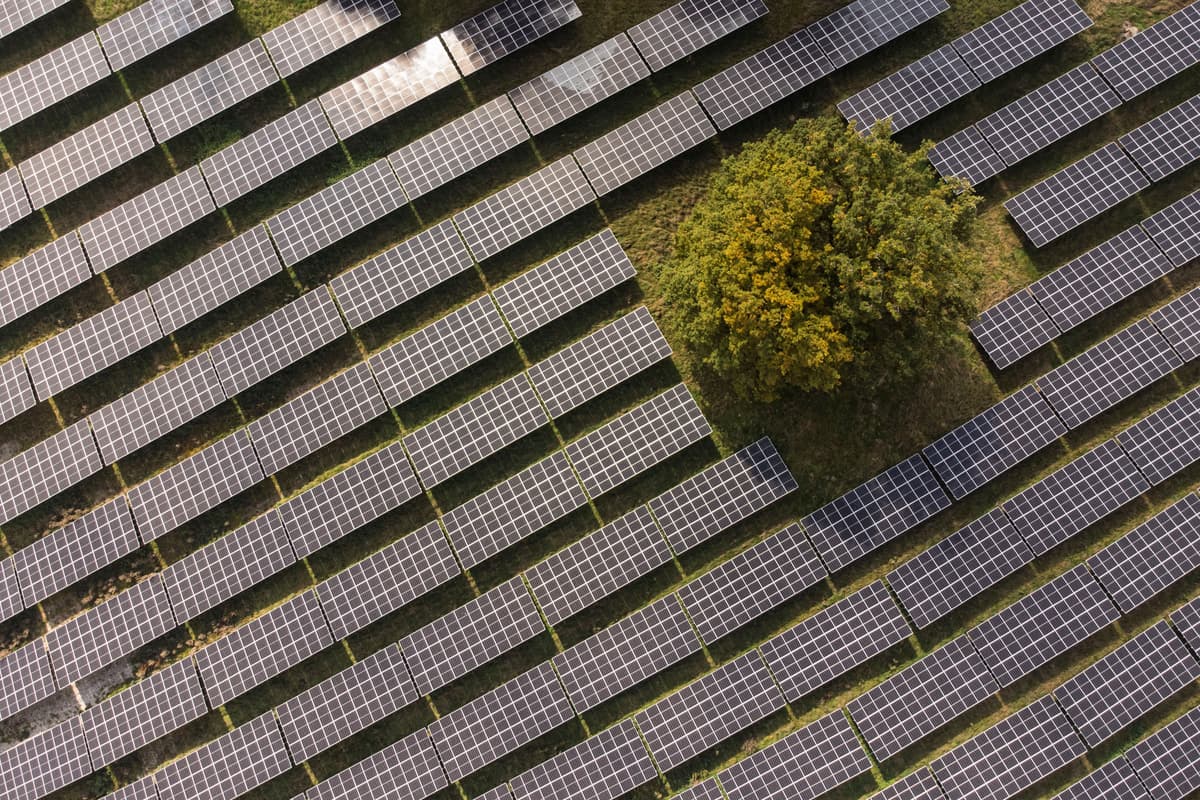
“When you already have one or two centimeters of snow on your solar panels, production is down to zero,” a climatologist at Meteomatics, Markus Schwab, tells Bloomberg. “The effect is super large, and this is quite often underestimated in certain forecasts.”
Germany is increasingly dependent on solar power following years of so-called “net zero” policies aimed at reducing greenhouse gases in the name of fighting climate change. Solar power generation rose 21 percent in Germany last year, according to Fraunhofer ISE, as the country — and the rest of the European Union — moves away from fossil fuels to meet electricity needs.
About 18 percent of domestic power production is solar, according to figures released this week by the German Solar Industry Association. Solar has passed natural gas and coal as a source for electricity generation in Germany and is second only to wind power.
But the output has been dramatically reduced this week. Mr. Schwab estimated that around 80 percent of Germany’s solar panels are covered by snow. Solar output only hit 6.9 gigawatts on Tuesday, compared to nearly 18 gigawatts a week earlier.
Wind generation is also only around a third of its winter average right now. Ice collecting on turbine blades can make them less efficient and lower their output.
That comes as power demand has spiked due to the lower temperatures, forcing power providers to turn to the open market to buy natural gas to make up the shortfall. Prices are higher because demand is higher across Europe. France is also buying more natural gas to supplement nuclear production to meet its power needs.
Germany committed to shutting down all its nuclear plants after the Fukushima disaster. The government incentivized homeowners to install solar panels and Europe’s largest solar farm opened in Germany in 2024, Electrek reported.
While climate activists have celebrated Germany’s moves to decarbonize, this week’s weather shows its limits. More snow is predicted for much of Germany this weekend.