Swiss Bank’s Role in Helping Nazis Is Under Scrutiny 80 Years Later

An independent ombudsman is expected to issue his report sometime this year.
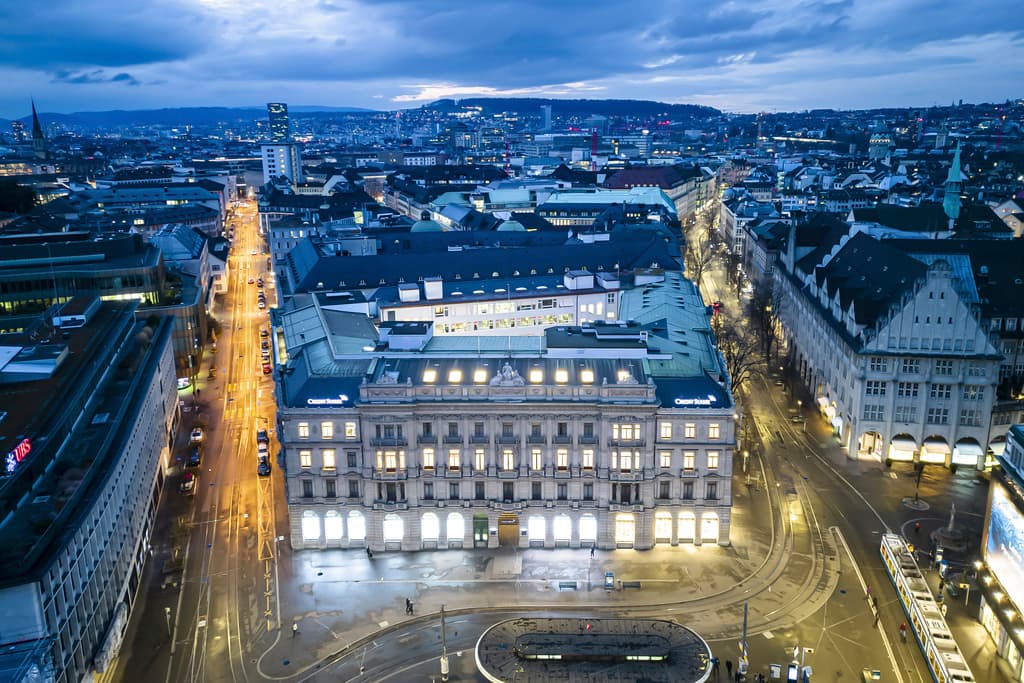
Michael Buholzer/Keystone via AP
An aerial view of the headquarters of the Swiss banks Credit Suisse, center, and UBS, left, at Zurich, Switzerland. Michael Buholzer/Keystone via AP

More than 80 years after the end of World War II, the role played by a major Swiss bank in aiding escaped Nazis stands out as an unresolved issue despite American efforts to investigate the matter.

The Senate Judiciary Committee is set to hold yet another hearing about Nazis and Swiss banks on February 3 which promises to disclose “hidden facts.”

The committee established in 2023 that the now defunct Swiss bank Credit Suisse maintained nearly 100 previously undisclosed Nazi-linked accounts and that some of these were still open as of 2020. There’s also the issue of assets stolen by the Nazis from European Jews and the role Swiss banks may have played in facilitating this kind of expropriation.

The ongoing investigation includes probing so-called “ratlines” — financial and logistical pathways to help Nazis escape to Latin American countries such as Argentina.

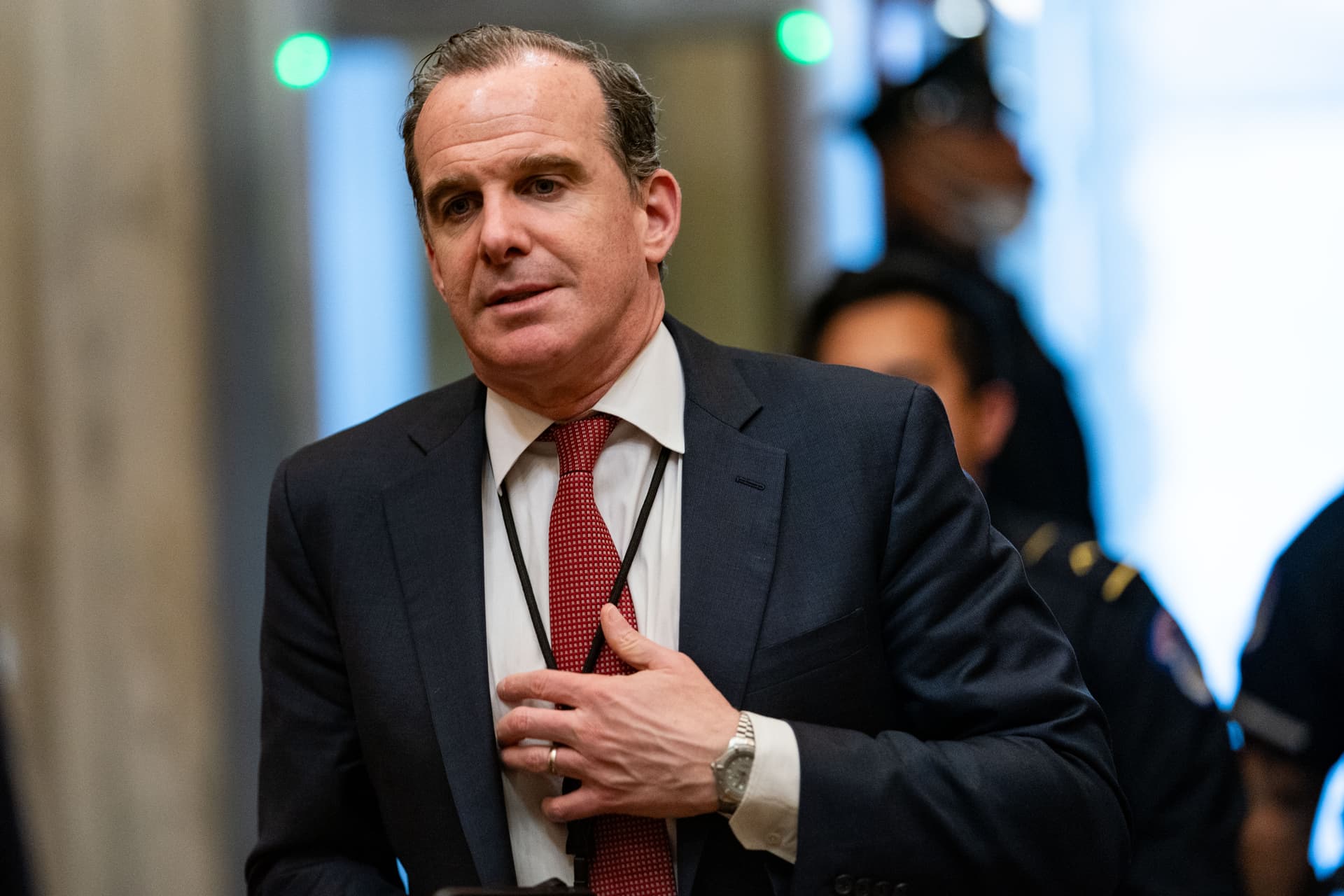
But the facts have proved difficult to pin down. Neil Barofsky is the independent ombudsman investigating Credit Suisse and its role in facilitating the finances of former Nazis who fled Europe after the war. 

Mr. Barofsky, a former U.S. Assistant Attorney for the Southern District of New York, was initially appointed to the role by Credit Suisse in 2021 but later removed. The Senate Judiciary Committee accused Credit Suisse of not fully co-operating with Mr. Barofsky. He was reinstated in 2023 when the bank was acquired by rival UBS in an emergency takeover.

The ombudsman will testify on February 3 alongside Rabbi Abraham Cooper, director of global social action at the Simon Wiesenthal Center. Mr. Barofsky’s report into Credit Suisse is expected early this year.

Senator Charles Grassley’s office pointed The New York Sun to the Senate Judiciary chairman’s years long commitment to the issue, which won him significant praise last year from the Simon Wiesenthal Center. The senator also secured a commitment from President Javier Milei of Argentina to work with the investigation. 

Still, there is understandable frustration about how long it’s taken to get the full picture of Credit Suisse’s aid to Nazis.

Mike Igel is chairman of the Wiesel Archive & Legacy Council at The Florida Holocaust Museum. 

“This is really an issue that goes back maybe 80 some odd years or more to the Holocaust itself,” Mr. Igel told the Sun. “And Credit Suisse’s involvement in business relationships with Nazis, with holding on to funds — looted funds, stolen funds — from victims and survivors of the Holocaust.”

“It starts there. And also providing banking assistance to Nazis and in all sorts of forms, including assisting businesses that were taken from Jewish people by Nazis. And just, again, not only was it just the money itself, but sometimes it was the businesses that were just stolen from the people who rightfully own it,” Igel said.

For Mr. Igel, holding Credit Suisse accountable is a matter of Holocaust memory just as much as dollars and cents.

“There are still assets and funds that belong in the hands of the people who actually own them,” Mr. Igel told the Sun.

“I have very personal feelings about that as the grandchild of three Holocaust survivors who has spent decades with his brother fighting to get his family’s farmland back in Poland,” Mr. Igel went on. “I know what this feels like and so all we want is to have our farmland back, not to hijack the conversation, but it gives you a sense of personal appeal. It matters on a personal level.”

It remains to be seen how much new information will be made available on February 3 but the hearing is unlikely to be comfortable for UBS.

“From the beginning, the Senate Budget Committee’s bipartisan goal was to ‘leave no stone unturned’ in pursuit of justice for those wronged by Nazi atrocities. Our investigation has dug up more than just stones — we’ve found boulders,” Mr. Grassley said last January.

“Credit Suisse hid additional evidence of Nazi ties for years, and even tried to conceal information from our congressional investigation. While the 118th Congress may be over, the work to shine light on the darkest corners of Credit Suisse’s history continues. Ultimately, it’s my hope to see these records preserved in a repository that researchers can reference to discover untold stories and future generations will learn from,” he added.


The New York Sun

© 2026 The New York Sun Company, LLC. All rights reserved.

Use of this site constitutes acceptance of our Terms of Use and Privacy Policy. The material on this site is protected by copyright law and may not be reproduced, distributed, transmitted, cached or otherwise used.

The New York Sun

Sign in or  create a free account

or
By continuing you agree to our Privacy Policy and Terms of Use