
The Case for Jack Smith’s Testimony To Stay Secret
If the special counsel really thinks the facts are there for conviction, his deposition should be kept secret unless and until there’s a proper trial.
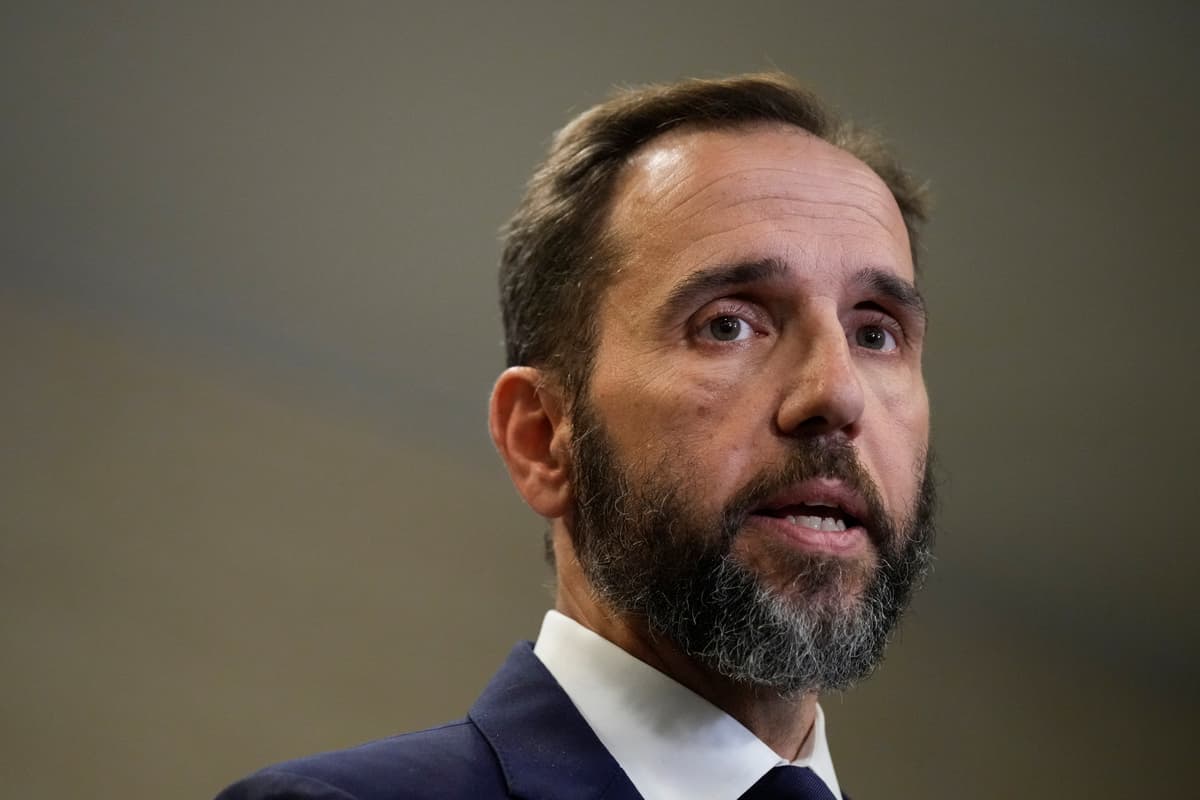
The increasing imbroglio over how Special Counsel Jack Smith tells the tale of his two failed prosecutions of President Trump illustrates how those cases were always tinged by politics — and touch on constitutional bedrock. Mr. Smith, who testified at a closed door hearing last week after being subpoenaed by Congressman Jim Jordan, is demanding a public platform. Republican solons have so far been reluctant to grant him that megaphone.
Mr. Smith, who lost the chance to present his cases against Mr. Trump to juries, claimed during his testimony that he marshaled evidence of the 47th president’s guilt “beyond a reasonable doubt.” Maybe, but in the absence of a “guilty” verdict arrived at in an adversarial proceeding, Mr. Trump’s presumption of innocence is intact. Now Mr Smith wants lawmakers to release the video of his eight hours in advance of the coming election.
Republican animus toward Mr. Smith is no secret, and Mr. Trump, perhaps not entirely unreasonably, has long reserved a sharp hostility for the man who sought to send him to prison twice over. The crimes of which Mr. Smith accused Mr. Trump, though, were never proven in court, and the special counsel badly misjudged the question of presidential immunity. All of this to say that the cases never reached opening statements, let alone a verdict.
A similar issue has arisen in respect of Mr. Smith’s final report in his Mar-a-Lago case. Judge Aileen Cannon has been blocking its release for concern that allowing the contents into the public ken would damage the presumption of innocence afforded to Mr. Trump and his two co-defendants. Even Attorney General Merrick Garland reasoned that the dossier should be seen only by lawmakers, and only in secret.
The organizations pushing for the report’s release, the Knight First Amendment Institute at Columbia and American Oversight, argue that the cases against all three men are dismissed. The charges were tossed “with prejudice, meaning they can be refiled. The special counsel regulations mandate that the attorney general, now Pam Bondi, “may” find that “the public release of these reports would be in the public interest.” May and not shall sounds like discretion.
Knight cites the “common law and First Amendment rights of access” as coming down on the side of releasing the report. Those claims, though, would appear dwarfed by the potential for due process harm that could flow from a report alleging guilt. The Times, in its own push for the report’s release, argues that “the contents of the second volume are not known but they may be significant.” All the more reason to worry, absent a trial.
By our lights Judge Cannon’s reluctance to release the report suggests she understands the issue. She has given Mr. Trump and his co-defendants until the end of February to make their case for permanently burying it. A preview for what’s in that document could reside in Mr. Smith’s report in the January 6 case, which Mr. Garland published. There, the special counsel declares that “but for” Mr. Trump’s reelection, he would have been convicted.
That strikes us as a vain boast. Counterfactuals are fair game for pundits, but would appear less appropriate for prosecutors who wield the awesome power of the state. The federal rules of evidence require that care be taken. Mr. Smith surely knows Justice Robert Jackson’s warning that “the prosecutor has more control over life, liberty, and reputation than any other person in America. His discretion is tremendous.” Is Mr. Smith’s?