
The President’s Authority in Minnesota

Trump warns he might invoke the Insurrection Act in backing up ICE in the North Star State.
Scott Olson/Getty Images
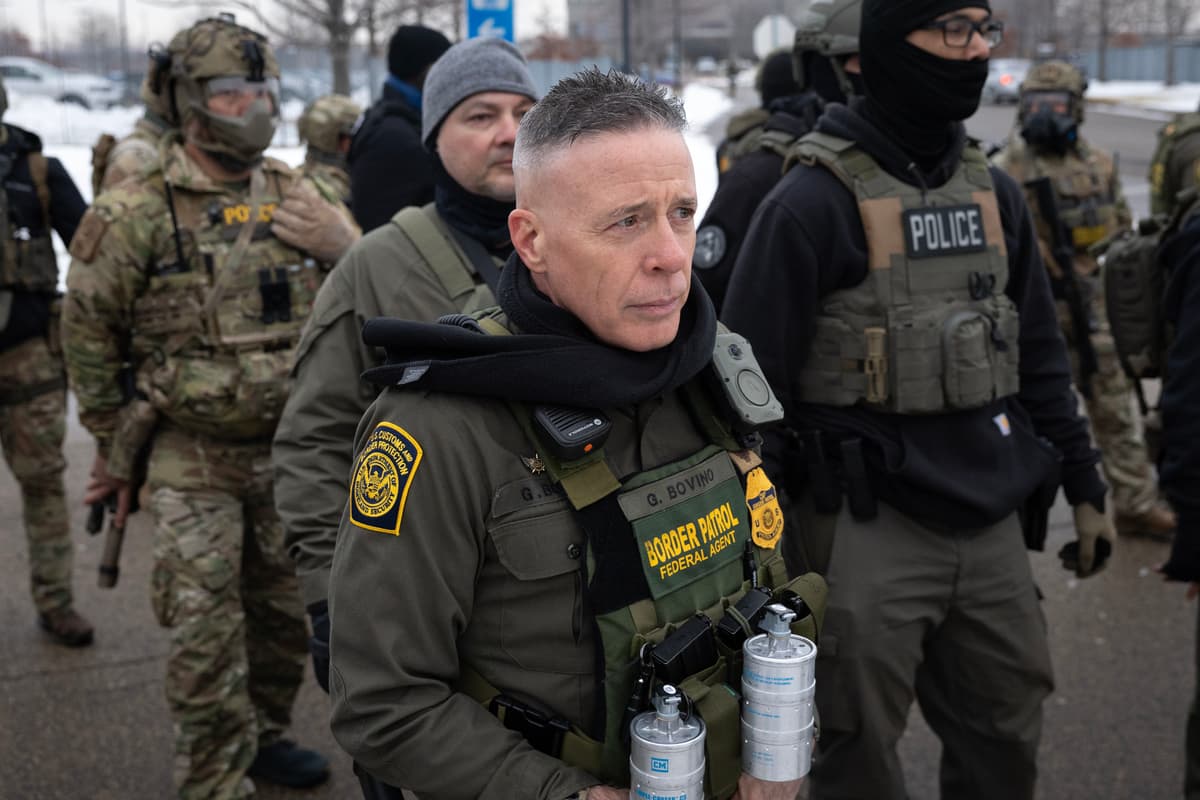
Federal agents, led by a Border Patrol chief, Gregory Bovino, face protesters on January 8, 2026 at Minneapolis. Scott Olson/Getty Images

President Trump, in a bid to quell the disorder in Minnesota, moots invoking the Insurrection Act and calling in federal troops. The North Star State’s Democratic attorney general, Keith Ellison, vows to contest in court what he calls a case of “tyrannical federal overreach.” Yet Mr. Trump rightly notes that invoking the Act is something that “many Presidents have done before me,” and federal law grants the commander in chief the authority to uphold order. 

Feature Section 253 of Title 10 of the United States Code. That measure allows the president, “by using the militia or the armed forces, or both,” to “take such measures as he considers necessary to suppress, in a State, any insurrection, domestic violence, unlawful combination, or conspiracy.” The power can be invoked, the law says, if disorder “opposes or obstructs the execution of the laws of the United States or impedes the course of justice” under the law.

The Insurrection Act, shorthand for a collection of laws, has a venerable history, per the Brennan Center. The legislation dates to 1792. The law’s power was wielded by George Washington to quash the Whiskey Rebellion that started in 1791 over stiff federal excise taxes. Andrew Jackson used it in 1831 to tamp down Nat Turner’s slave revolt and, in 1834, to help stifle labor strife between rival bodies of Irish immigrants building the Chesapeake & Ohio canal. 

In all, the Brennan Center reports, the Act has been used, to varying degrees, more than 30 times. Lincoln relied on the law in 1861 when slave states sought to secede from the Union. In Reconstruction, Ulysses Grant wielded the law against the Ku Klux Klan and to protect the rights of newly-freed slaves. Hoover in 1932 used the law to crush the encroachment of the so-called Bonus Army. FDR used the act in 1943 to halt riots at Detroit.

During the Civil Rights era, Eisenhower and Kennedy relied on the Act to help enforce court orders to integrate public schools in the South. Plus, Lyndon Johnson used it in 1965 to protect activist marchers in Alabama. The most recent instance of the law being used was in 1992, under President George H.W. Bush, to calm the riots at Los Angeles following the verdict in the Rodney King police brutality case. 

The Insurrection Act does not amount to a blank check, as LBJ’s deputy attorney general, Nicholas Katzenbach, marked in 1964. The president’s powers on this head are “limited,” he wrote, “by the Constitution and by tradition.” He explained that “the use of military force to execute the laws has traditionally been regarded with disfavor” and called it “a course of action that can be lawfully and properly pursued only as a last resort.”

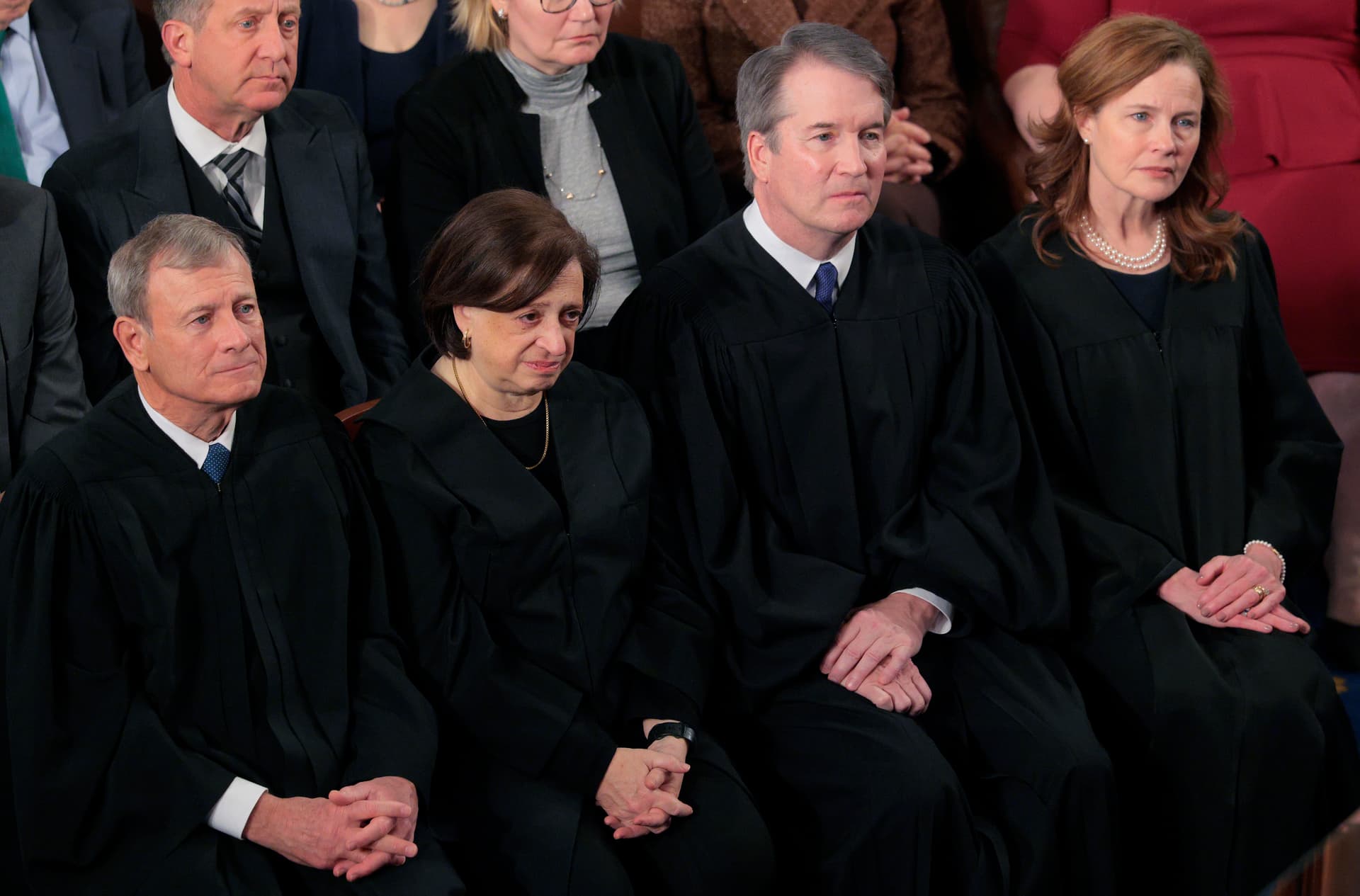
Though Katzenbach’s appraisal is not binding on Mr. Trump, the 47th president could well bear such caution in mind as he weighs whether to call in the army to ensure that immigration laws can be enforced. When Mr. Trump sought to use the National Guard at Chicago, the Supreme Court in December objected, disputing his claim that he was “unable with the regular forces to execute the laws of the United States.” 

Could the Nine prove as skeptical of Mr. Trump’s claim that he needs the military to uphold the law in Minnesota? Local officials are using shocking language against ICE, and even resisting the legally authorized enforcement work of ICE agents. Governor Tim Walz asks Mr. Trump “turn the temperature down,” and pleads with protesters to “not fan the flames of chaos.” Better to help calm the waters to know that Mr. Trump has authority to step in.


The New York Sun

© 2026 The New York Sun Company, LLC. All rights reserved.

Use of this site constitutes acceptance of our Terms of Use and Privacy Policy. The material on this site is protected by copyright law and may not be reproduced, distributed, transmitted, cached or otherwise used.

The New York Sun

Sign in or  create a free account

or
By continuing you agree to our Privacy Policy and Terms of Use