U.S. Alcohol Industry Faces Crisis: 7 Distilleries File for Bankruptcy Amid Historic Drop in Consumption

Beyond domestic consumption issues, American distillers are facing challenges abroad.
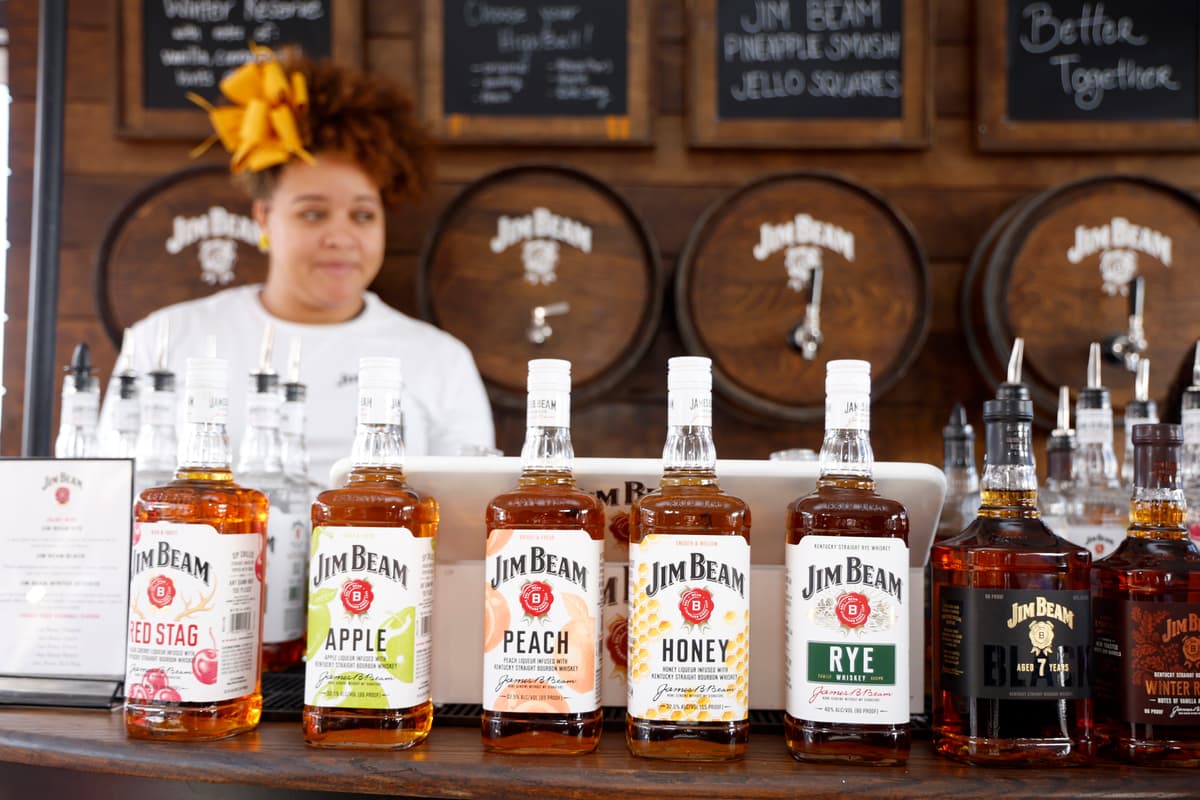
John Lamparski/Getty Images
Products of Jim Beam, which is halting production at its main distillery in Kentucky for 2026, are displayed during a wine and food festival at New York City on October 19, 2024. John Lamparski/Getty Images

The American alcohol industry is grappling with severe financial headwinds as 2025 comes to a close, marked by a wave of bankruptcies and the lowest consumer drinking rates recorded in nearly a century.

As of late December, seven major distilleries have filed for bankruptcy protection. The most recent filing occurred on December 22 with Ohio-based A.M. Scott Distillery seeking Chapter 11 protection. This follows a string of similar filings throughout the year, including:

August: Luca Mariano Distillery (Danville, Kentucky)

May: JJ Pfister Distilling Co. (Sacramento, California) and Devils River Distillery (San Antonio, Texas)

April: House Spirits Distillery (Portland, Oregon)

March: Boston Harbor Distillery (Boston, Massachusetts) and Lee Spirits Co. (Monument, Colorado)

Jim Beam, which produces one of America’s most iconic bourbon whiskies, announced last week that it is halting production at its main distillery in Kentucky for all of 2026. The distillery produces about a third of the company’s annual whiskey output, according to the New York Times, producing famous bourbons like Knob Creek, Baker’s, Booker’s and Basil Hayden’s.

A primary driver behind the industry-wide instability is a sharp decline in alcohol consumption among Americans. According to an August poll conducted by Gallup, only 54 percent of adults report that they consume alcohol. This figure represents a steady decline from 58 percent in 2024 and 62 percent in 2023.

Gallup noted that the current 54 percent finding is “the lowest by one percentage point in Gallup’s nearly 90-year trend.”

This downward trend appears to be fueled by changing health perceptions. The same poll indicated that 53 percent of Americans now believe that even moderate alcohol consumption — one or two drinks a day — is detrimental to one’s health, while only 6 percent believe it is beneficial.

Beyond domestic consumption issues, American distillers are facing challenges abroad. The American Distilled Spirits Exports 2025 Mid-Year Report highlighted a decline in exports to key markets, including the European Union, Britain, Japan, and notably Canada, where exports plummeted by 85 percent following retaliatory tariffs and boycotts.

In February, Canadian provinces yanked millions of dollars worth of American wine and spirits from store shelves in response to President Trump’s decision to impose a 25 percent tariff on Canadian goods.

“Persistent trade tensions are having an immediate and adverse effect on U.S. spirits exports,” the president of the Distilled Spirits Council of the United States, Chris Swonger told the U.S. Sun this week. “There’s a growing concern that our international consumers are increasingly opting for domestically produced spirits or imports from countries other than the U.S., signaling a shift away from our great American spirits brands.”

In Kentucky, the industry is now contending with a massive surplus of whiskey sitting in barrels waiting to be bottled for sale, with an all-time high of 16.1 million aging barrels in October. Because the state applies a “property tax” to those barrels, distillers were hit with a record $75 million tax bill — up 27 percent from the previous year.


The New York Sun

© 2025 The New York Sun Company, LLC. All rights reserved.

Use of this site constitutes acceptance of our Terms of Use and Privacy Policy. The material on this site is protected by copyright law and may not be reproduced, distributed, transmitted, cached or otherwise used.

The New York Sun

Sign in or  create a free account

or
By continuing you agree to our Privacy Policy and Terms of Use