Venezuela’s Stock Market Soars After Capture of Maduro, Signaling Investor Confidence in Long-Term Prospects Following American Military Intervention
The Caracas Stock Exchange has surged 73 percent as investors rush to bet on a post-Maduro Venezuela.
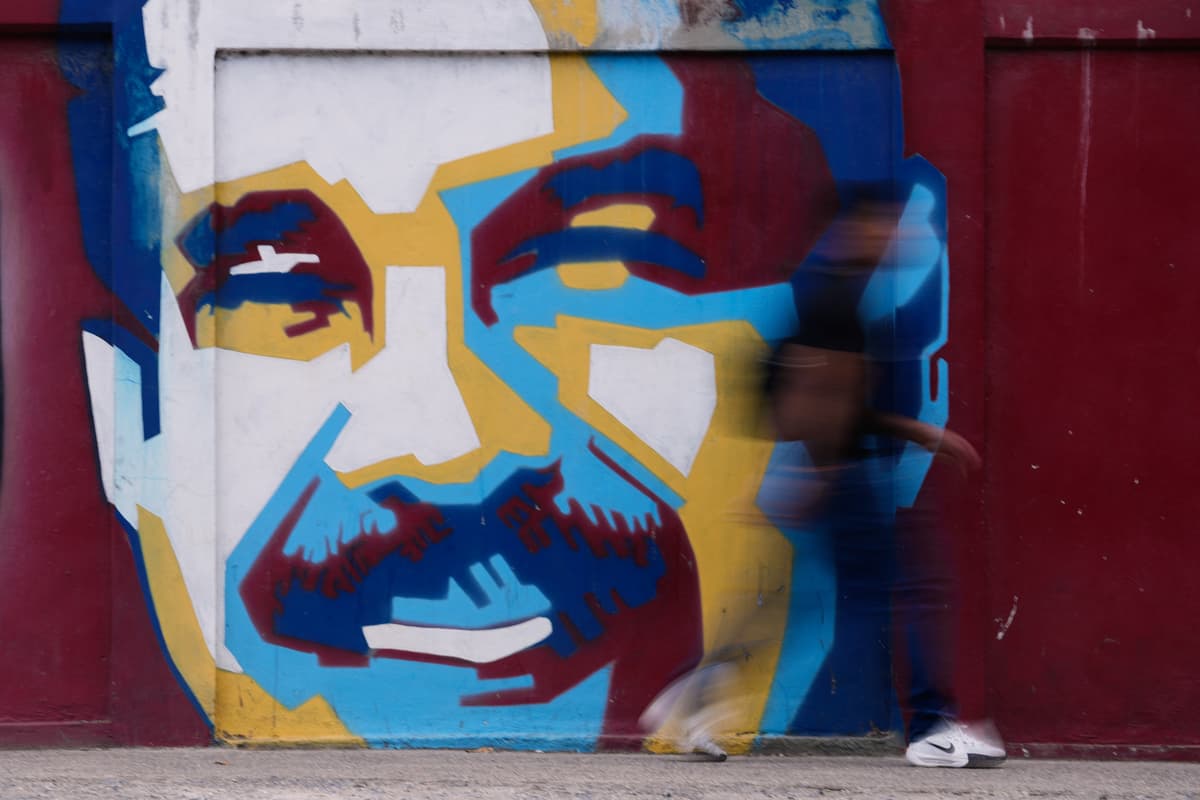

Investors appear to be celebrating the end of the Maduro era, with Venezuela’s stock exchange surging more than 73 percent in the days since American forces captured the former leader.
The Caracas Stock Exchange has been climbing steadily since President Trump ramped up pressure on Mr. Maduro’s regime, rallying some 150 percent since mid-December in local currency terms.
The trend was highlighted by the Kobeissi Letter, a global capital markets commentary, which tracked the index’s growth from the ouster through Tuesday’s market close. Its founder, Adam Kobeissi, noted that the upswing signals “the market is pricing-in major economic reform.”
Economist Tyler Cowen also weighed in on the market movement, stating that “in expected value terms, the people of Venezuela are now much better off” — a reality he says people would be “delusional” to ignore.
The surge in demand to invest in the region has already prompted one investment firm to file for creation of an exchange-traded fund for Venezuela-based companies. Paperwork to create the Teucrium Venezuela Exposure ETF was filed with the Securities and Exchange Commission on Monday, just two days after Mr. Maduro’s capture. If launched, it would be the first ETF to focus on Venezuela-listed equities.
Venezuela’s bond market has rallied as well, with creditors speculating that Mr. Maduro’s ouster could lead to a restructuring of the nation’s debt. Venezuela, buckling under American sanctions, defaulted on its external debts in 2017. Analysts estimate the country owes between $150 billion and $170 billion, and has some $102 billion in bonds outstanding.
Not everyone is eager to jump in, however. The chief executive of CV Advisors, Elliot Dornbusch, called the sudden investor interest “ridiculous” and said a political transition must come first. Mr. Dornbusch was raised in Venezuela but moved to America in 2003, where he later founded his Florida-based asset management firm.
“Everybody and their mother is calling their financial advisor, is calling their family office on ‘where do we invest? How do we take advantage of this? You’re from Venezuela, can you look for assets there?’” Mr. Dornbusch told Bloomberg. “I’m like, are you nuts?”
He stated in a letter to investors that “The crisis at Venezuela’s core is deep and systemic” and “cannot be resolved by simply removing a single leader or toppling one regime figure. Expecting transformational change while leaving in place the thousands who enabled, benefited from, and sustained this corruption is unrealistic.”
Under Mr. Maduro’s reign, Venezuela’s economy was plagued by extreme hyperinflation and steep GDP contraction, driven by corruption, unsustainable spending, and socialist mismanagement of the economy.
As Mr. Maduro and his wife await trial on federal drug trafficking charges, Venezuela’s future remains uncertain. President Trump declared over the weekend that America would “run” the country and it remains unclear when new elections will take place.
On Monday, Mr. Maduro’s vice president, Delcy Rodríguez, assumed the role of interim president. Mr. Trump said he would launch a second military operation if the acting president refuses to cooperate.