

Will America Follow Israel in Recognizing Somaliland?
Communist China, Arab, and Muslim countries speak of ‘territorial integrity,’ but Somalia is a failed state.
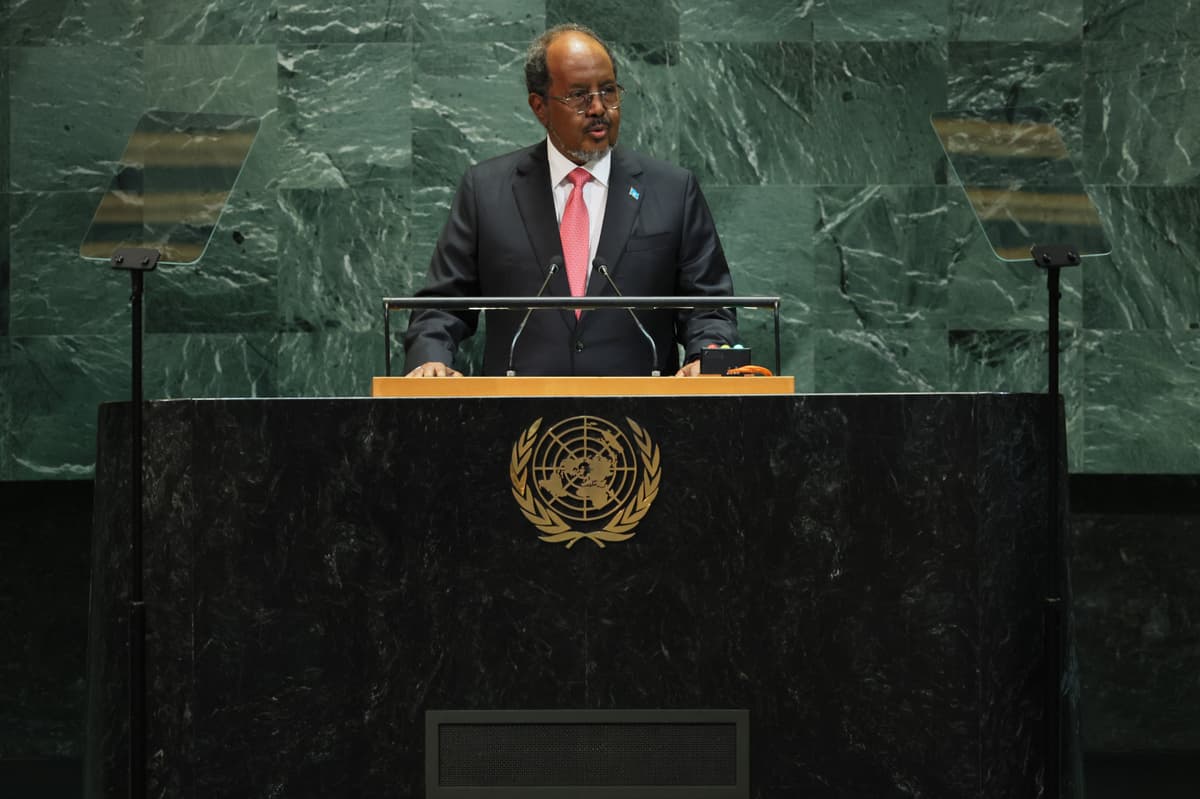
Israel’s decision on Friday to recognize Somaliland’s independence carries significant geostrategic ramifications. Will America follow by also granting recognition to an ally? For now, countries from Communist China to Turkey are in a lather. The United Nations Security Council is convening for an emergency session to condemn Israel. Arab and Muslim countries immediately issued a joint statement in support of Somalia’s “territorial integrity.”
Somalia, though, is a failed state. The government is overpowered by Islamist terrorists, Al Shabab and ISIS. The country is collapsing under poverty, corruption, and tribalism. Somaliland in the north declared independence in 1991. Since then it developed an agricultural-based, Israel-aided economy, while conducting competitive democratic elections. Early on, in 1994, it contacted Prime Minister Yitzhak Rabin, asking for recognition.
“Our friendship is seminal and historic,” Prime Minister Benjamin Netanyahu told President Abdirahman Mohamed Abdullahi in a phone call Friday. He announced the countries’ mutual recognition. Bibi invited the president to visit Jerusalem. Israel’s diplomatic move follows another country, the Republic of China, which already has diplomatic ties with Somaliland. Others, including Europeans, maintain ties short of recognition.
More broadly, the Horn of Africa is emerging as a competitive geostrategic spot. For two years the Iranian-backed Houthis blocked Red Sea shipping from the other side of the Bab el Mandeb strait. Somaliland could prevent further interruption to 20 percent of the world’s maritime traffic and keep the Yemeni terror group in check. America’s Camp Lemonnier in nearby Djibouti faces many challenges. Wouldn’t Somaliland better serve America’s interests?
Some at Washington recognize the importance of backing a democratic, pro-Western Muslim ally in a commerce junction connecting Asia and Europe. “Somaliland has emerged as a critical security and diplomatic partner for the United States, helping America advance our national security interests in the Horn of Africa and beyond,” Senator Ted Cruz, an advocate of American recognition of Somaliland, writes in August.
Leading the charge against Israel’s recognition Friday of Somalia are all the usual suspects. Somalia-backer Beijing is irate at Taiwan’s Somaliland ties. Qatar and Turkey lead the Arab and Muslim opposition. Opposition, though, is far from universal. The globe’s most populous country, India, declined to join the chorus of boos. So did the world’s largest Muslim country, Indonesia. Ethiopia and the United Arab Emirates have ties in Somaliland.
Turkey’s braying about “territorial integrity” is quite rich, considering its recognition of northern Cyprus, which it occupies. So is Russia after swallowing parts of Ukraine. Beijing is vowing to “reunite” China by 2028. Usurping Taiwan would empower it to block shipping in much of the Pacific. Yet even some countries that maintain relations with Somaliland fear a proliferation of separatist movements that break away from recognized countries.
Near-universal objections to separatists in East Timor and South Sudan flipped, and now both are widely-recognized UN members. Global attitudes on Somaliland can change too. David Ben Gurion’s observation that it doesn’t matter what others say, but what Israel does might have informed Mr. Netanyahu’s Somaliland decision. It would make sense for President Trump, who revels in defying global received wisdom, to follow suit.