Would Unwinding Trump’s Tariffs Really Be as Much of a Mess as the Administration Claims?
The White House warns the Supreme Court that tariff refunds would be an administrative nightmare. Trade policy experts disagree.
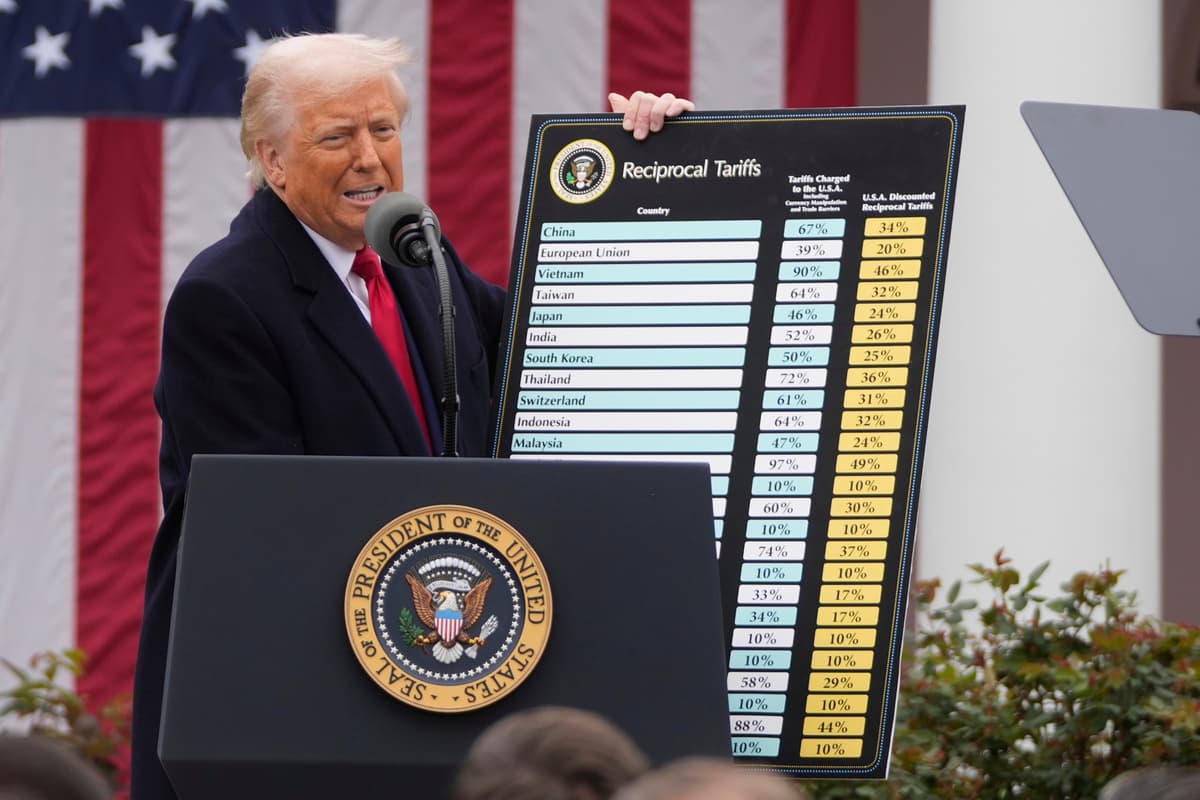

As the Supreme Court prepares to rule on President Trump’s tariffs in the coming weeks, administration officials are betting that the sheer complexity of unwinding billions in collected import taxes will make a favorable verdict inevitable.
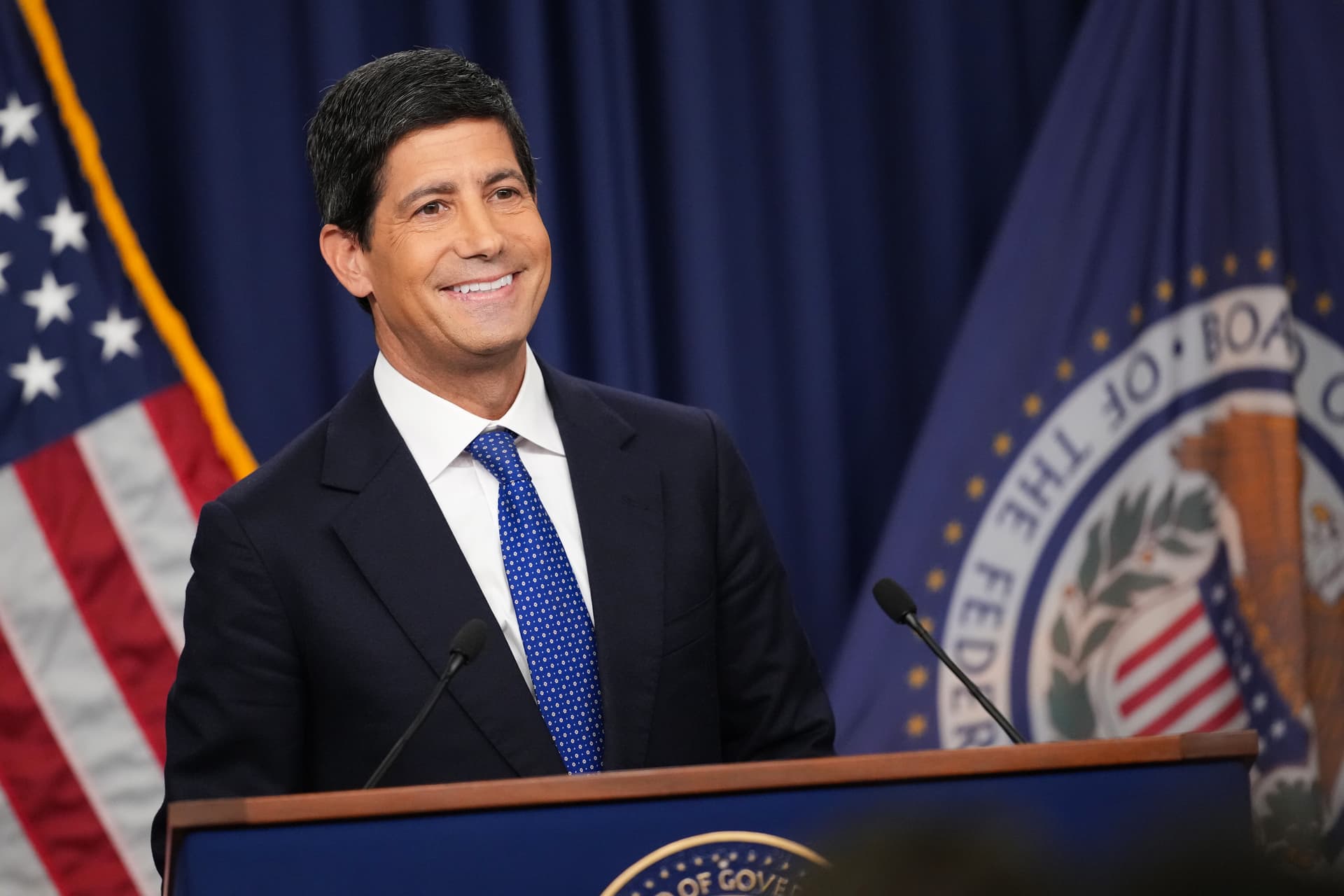
“We really expect the Supreme Court is going to find with us,” the director of the National Economic Council, Kevin Hassett, told CBS over the weekend. He argued that even if the high court rules against the tariffs, it’s unlikely the justices would call for widespread refunds “because it would be an administrative problem to get those refunds out there.”
Mr. Hassett later described the process of unwinding tariffs as “a mess” and “very complicated,” adding, “and that’s why I think the Supreme Court wouldn’t do it.” Through December 5, the government says it has collected an estimated $259 billion in tariff revenue this year. American businesses that paid those tariffs could be owed as much as $168 billion if the Supreme Court rules the import taxes were imposed improperly.
The legality of President Trump’s signature economic policy was debated before the Supreme Court on November 5. During oral arguments, the justices appeared skeptical of the government’s argument that the International Emergency Economic Powers Act — a 1977 law allowing the president to regulate international commerce during national emergencies — grants Mr. Trump authority to levy his tariff regime absent an emergency.
Yet another consideration loomed over the proceedings when Justice Amy Coney Barrett raised a pointed question. “Tell me how the reimbursement process would work. Would it be a complete mess?” Justice Barrett asked a lawyer, Neal Katyal, representing a group of small businesses opposing the tariffs. “It seems to me like it could be a mess,” she added.
Trade policy experts, however, counter that refund chaos is neither inevitable nor necessary, arguing instead that the administration’s warnings are merely a pressure tactic designed to influence the court.
“Refunds could be very easy—IF the Trump administration wants them to be,” the director of economics at the libertarian Cato Institute’s Center for Trade Policy Studies, Scott Lincicome, wrote on X Sunday.
In an amicus brief filed in October, Mr. Lincicome and other Cato scholars argued that the government could issue automatic duty refunds through electronic systems already developed by U.S. Customs and Border Protection in 2018. The complicated, burdensome process Mr. Hassett describes would only occur if the administration deliberately chooses an individual refund approach instead.
“There is little merit to the government’s frequent public claims about the parade of horribles that would befall the nation if the IEEPA tariffs were invalidated,” the Cato scholars wrote, urging the Court to evaluate the tariffs based on their constitutionality and not considerations of administrative convenience.
Such a process was also proposed by an international law professor and director of the International Legal Studies Program at Vanderbilt University Law School, Timothy Meyer, in a white paper published in October.
Mr. Meyer warned that the administration retains tools to obstruct any refunds even if the Court strikes down the tariffs. The government could impose “delays, onerous documentation requirements or arbitrary decision-making in terms of who gets a refund,” he wrote.
Mr. Meyer also cautioned that because the lawsuits challenge the legality of the tariffs without explicitly seeking court-ordered refunds, “the Trump administration could in principle simply refuse to issue refunds unless importers go back to court.” If importers are required to file individual lawsuits, any refund issuance would likely be delayed until at least 2027.
“A Supreme Court decision striking down the tariffs is thus really only the start of a potentially long process for importers seeking refunds,” he wrote.
Moreover, an adverse Supreme Court ruling may not spell the end of the tariff regime. The administration has already been eyeing alternative legal authorities, including provisions in the Trade Act of 1974. Section 301 authorizes the president to impose country-based tariffs if the U.S. Trade Representative concludes another nation is engaging in unfair trade practices, while Section 232 allows the president to restrict imports for national security reasons.