$2 Billion Dodgers Sparing No Expense Chasing Third Straight Title
The team’s signing of outfielder Kyle Tucker would make George Steinbrenner envious.
The late George Steinbrenner wouldn’t have liked any of this. For decades the New York Yankees defined baseball financial might — the sports original evil empire built on bold spending and bigger ambition. But those days are gone. It’s time for the Yankees to step aside. The Los Angeles Dodgers now wear that crown.
When Mr. Steinbrenner wanted to win, money was no obstacle. Catfish Hunter, Reggie Jackson, Dave Winfield, he paid whatever it took to bring stars to the Bronx and deliver championships. The blueprint was simple: outspend the competition and collect titles.
Today that philosophy lives 3,000 miles to the west.
The Dodgers are sparing no expense in pursuit of a third consecutive World Series championship, and their latest move underscores how far they’ve pushed the financial landscape. The signing of free agent outfielder Kyle Tucker makes the Dodgers baseball’s first $2 billion dollar team. And counting.
Mr. Tucker, the top free agent outfielder on the market, reportedly will sign a four-year $240 million deal that includes $30 million in deferred money and an opt-out after two years. When Mr. Tucker’s deal is officially on the books the Dodgers $2.1 billion in guaranteed salaries owed will be nearly $800 million more than the second biggest spender, the San Diego Padres at $1.3 billion.
The Dodgers made it clear they weren’t ready to settle for back-to-back championships when they made Edwin Diaz the highest-paid closer in MLB history with a three-year $69 million contract last month
With an estimated payroll of $413 million and luxury tax bill of $161 million, the Dodgers are projected to spend close to $575 million in 2026 barring any more major signings. The New York Mets are targeted to pay the second highest luxury tax bill at $55.7 million.
The Dodgers’ big-spending would make even Mr. Steinbrenner envious. Their roster will feature seven of the majors’ 29 biggest contracts by average annual value in 2026. Mr. Tucker’s deal averages $57 million, reigning MVP Shohei Ohtani ($46 million), pitcher Blake Snell ($31 million), pitcher Tyler Glasnow ($27 million), pitcher Yoshinobu Yamamoto ($27 million), infielder Mookie Betts ($25 million) and first baseman Freddie Freeman ($24 million). Mr. Diaz’s contract averages $21 million a year.
The Dodgers can afford their hefty contracts because spending money is making money. By winning championships and signing international stars like Messrs. Ohtani and Yamamoto, the Dodgers are a marketing magnet globally.
According to multiple business reports, the Dodgers already recouped the full economic value of Mr. Ohtani’s 10-year $700 million contract signed two years ago through increased ticket revenue, merchandise sales, expanded sponsorship deals, international market growth and an increase in franchise valuation.
The Dodgers sponsorship deals are five times larger than the MLB average, and the champs drew 4 million fans to Dodgers Stadium in 2025 for the first time in franchise history.
“We’re really fortunate to have an ownership group that actually puts money into the organization and helps us achieve our goals,” the Dodgers’ executive vice president, Lon Ronsen, said at a recent Sports Business Journal event. “Shohei delivers in many different ways: pitching, hitting, in the box office, in the sponsorships, wherever it is. He does very well for us, and I think it’s helped baseball throughout the country.”
In addition, the Dodgers’ pool of guaranteed money includes $1.06 billion in deferred payments with a high point of $102 million due in 2038 and 2039. Deferring salary allows a team to reduce its current cash outlay, freeing up operating cash, which can be used for other expenses, and investments that can earn a high return. Players often like deferrals for tax purposes and long-term financial security.
As of now, the deferred payments breakdown has Mr. Ohtani receiving $680 million from 2034-43; Mr. Betts, $115 million from 2033-44; Mr. Snell, $66 million from 2035-46; Mr. Freeman, $57 million from 2028-40; catcher Will Smith, $50 million from 2034-43; infielder Tommy Edman, $25 million from 2037-44; reliever Tanner Scott, $21 million from 2035-46; and outfielder Teoscar Hernandez, $32 million from 2023-39
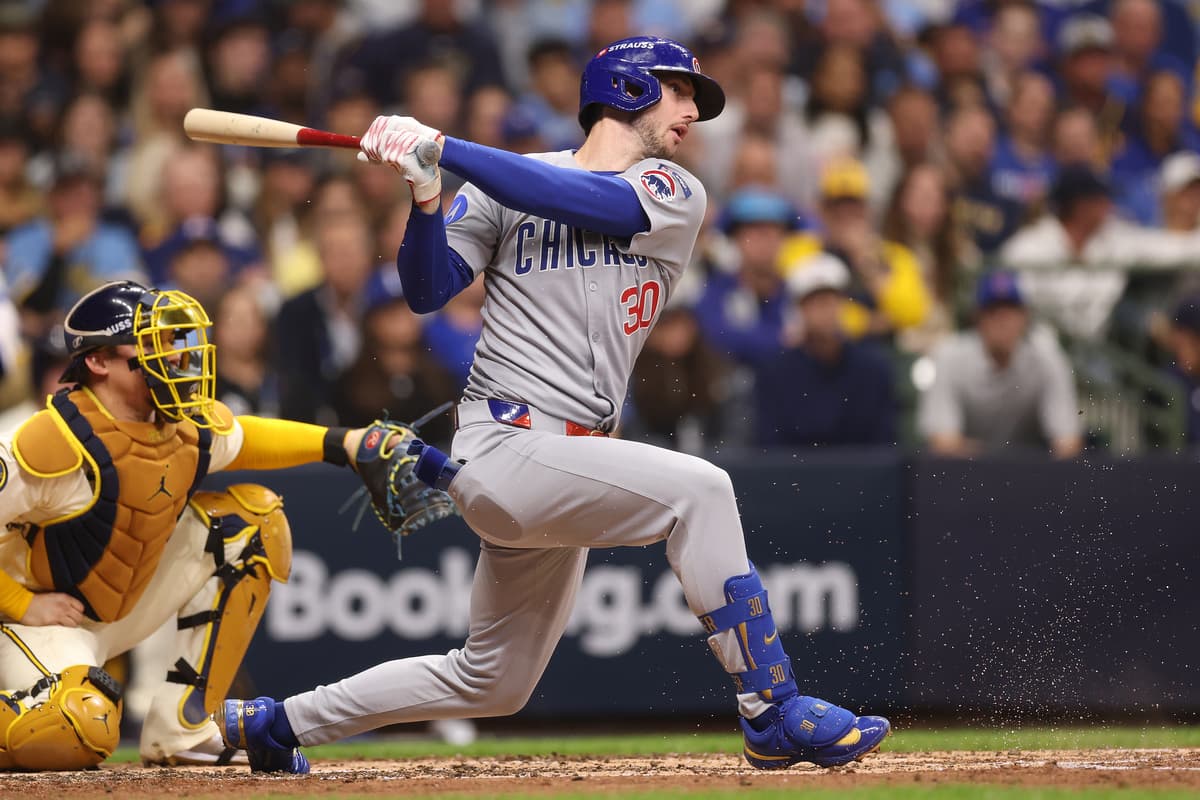
Mr. Tucker, a four-time All-Star and two-time Silver Slugger and Gold Glove winner, strengthens the Dodgers outfield. Though nagged by injuries, the left-handed hitter batted with .266 with 22 home runs and 73 RBI with the Chicago Cubs last season after being acquired from the Houston Astros.
Spring training in Arizona looms. Pitchers and catchers report on Feb. 13. Mr. Tucker and the rest of the Dodgers arrive on Feb. 17, reminding the rest of the MLB that the balance of power remains at Los Angeles.