Desperate Iranians Look to Trump for Help Defeating Disruptive Regime
‘You can’t have an orchestra without a conductor,’ a veteran Iran watcher tells the Sun.
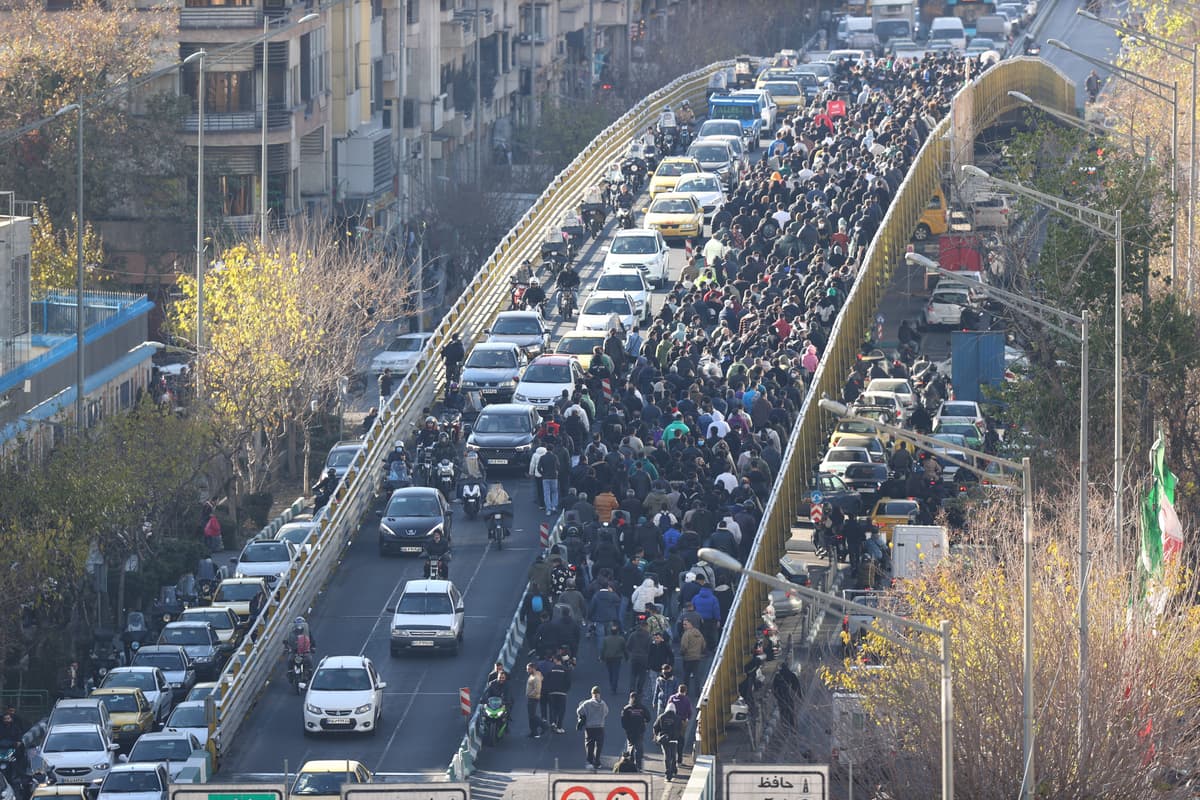
As Iran’s largest protests since 2022 are about to enter on January 1 their fifth day, an aging supreme leader, Ali Khamanei is struggling to respond. Is it time for America to help Iranians overthrow the Middle East’s most disruptive regime?
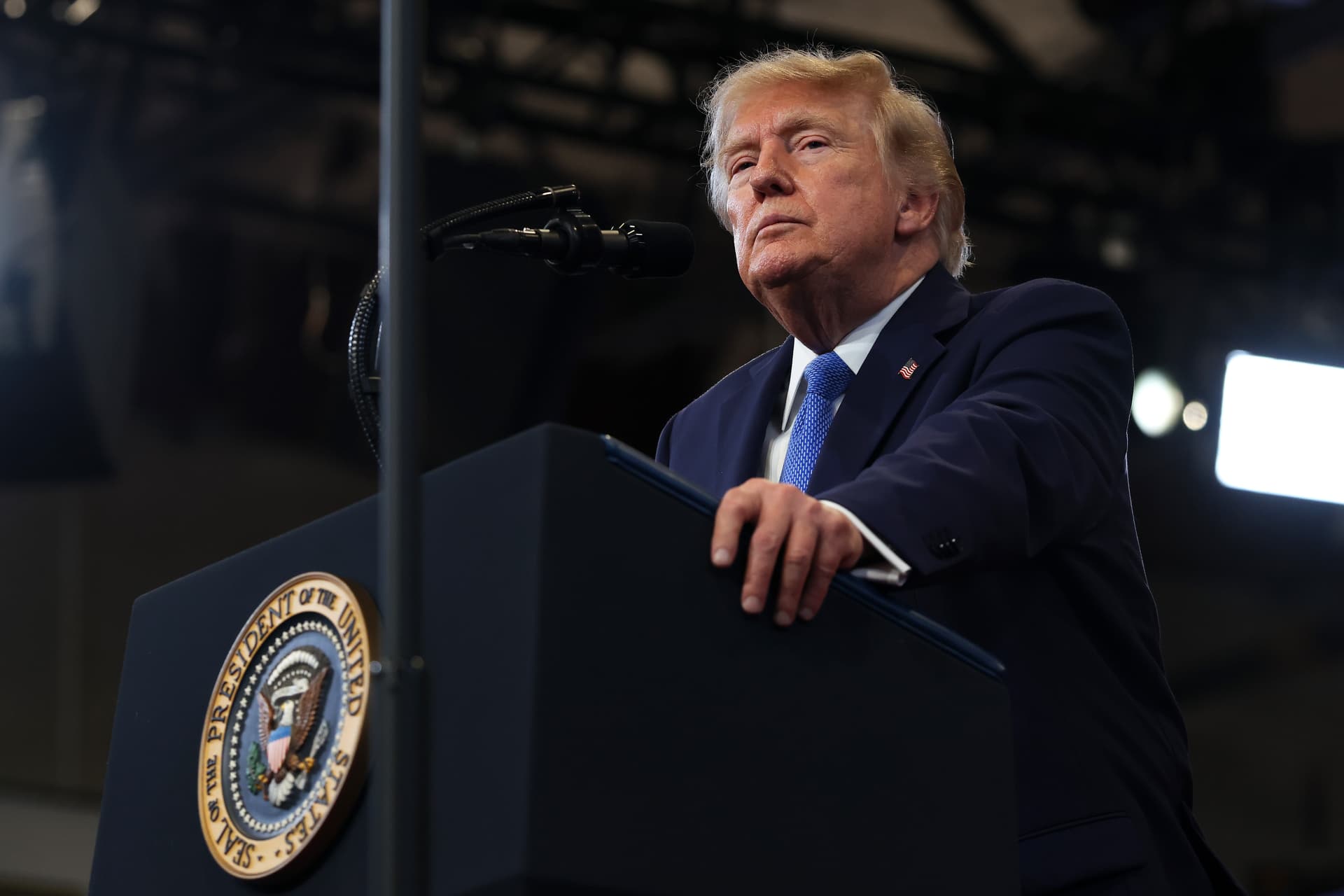
President Trump, in his first term, encouraged anti regime protests in Iran. This week, though, he said that he is “not going to talk about overthrow of a regime.” At the same time he chastised the way protest is quashed. “Every time they have a riot, or somebody forms a group, little or big, they start shooting people,” he said on Monday.
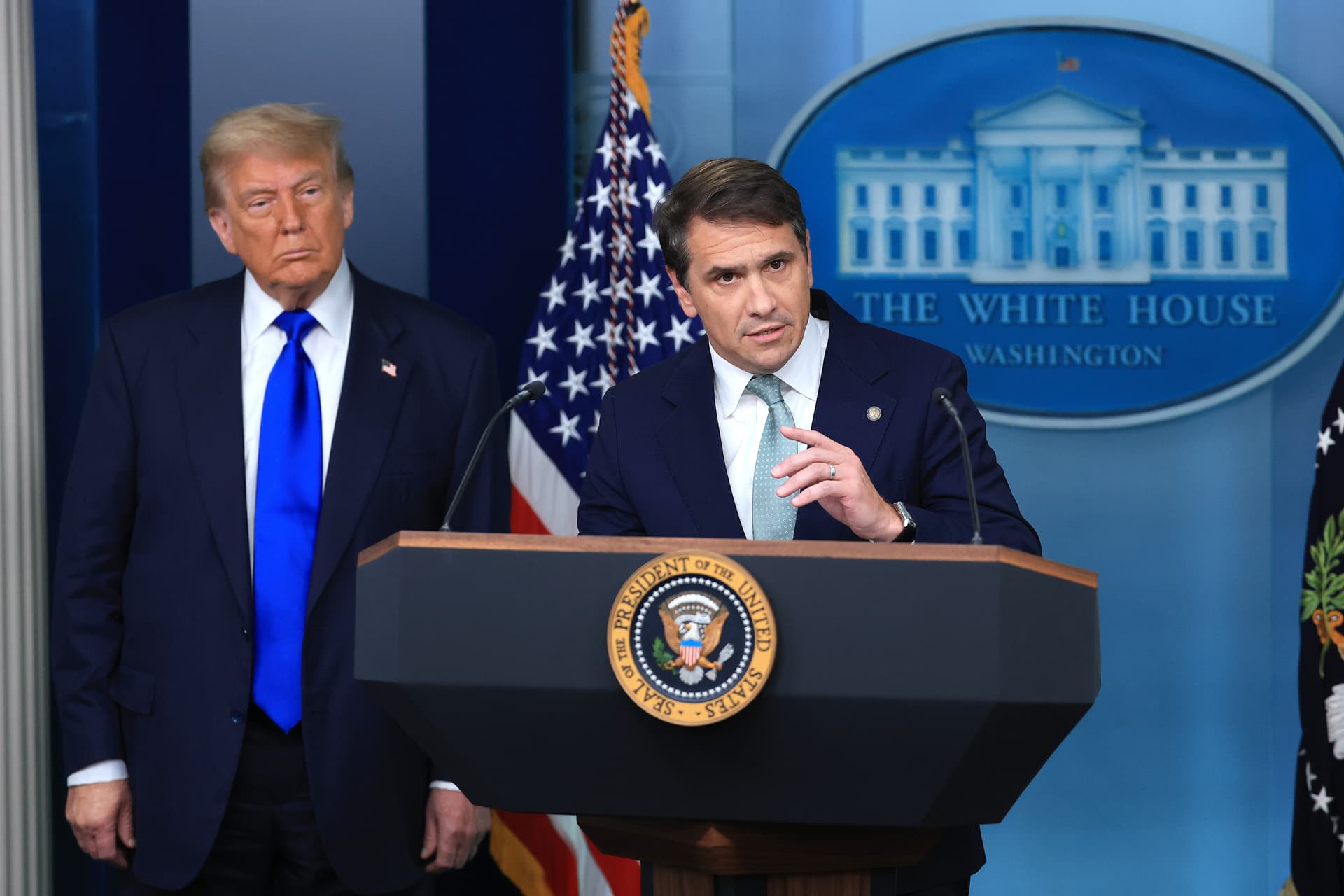
Washington could help protesters override the regime’s blocking of the internet and other forms of communication, a senior director of the Iran program at the Foundation for Defense of Democracies, Behnam Ben Taleblu, tells the Sun.
Virtual Personal Networks and satellite-based communication could help. America can also “level the playing field between the street and the state, which could go as far as cyber attacks against the regime’s apparatus of repression and even developing covert action plans related to security force defection,” Mr. Ben Taleblu says.
Such moves could help, but will they suffice to end the Islamic Republic’s oppression and the mayhem it spreads throughout the Mideast? As yet the protest movement is largely leaderless. Can America assist by helping to create alternatives to the mullahs?
Store owners who rely on imported goods were hit hardest this week as the value of the local currency collapsed, reaching 135,000 toman to the. Frustrated, these merchants sparked a protest wave at the Tehran grand bazaar. Inflation, projected soon to reach 50 percent, and rising faster than the 25 percent raise in salaries, prompted others to join in.
Early in the week, the regime shut down universities, as students joined the protest. President Masoud Pezeshkian took to X to express sympathies with the plight of the people, and also rail against foreign countries that strangle the economy. The move seemed designed to mostly appeal to foreigners, though, as Iranians have no access to X.
Mr. Khamanei is yet to address what seems to be a growing crisis for a government reeling under global sanctions and still smarting from the war in June. The 12-day war dimmed the mullahs’ image of invincibility. Regime enforcers seem unsure how to react. Despite reports of sporadic shooting at protesters, reaction so far is more restrained than in the 2022 aftermath of the killing of Masah Amini.
“It might indicate that they’re not taking this all that seriously at this point, or that they don’t know what to do,” a correspondent for the London-based Iran International, Negar Mojtahedi, tells the Sun. “This is the first major nationwide protest since the 12-day war. If Khamenei starts to speak, or if they use too much force, would that make the situation worse for them?”
Perhaps, too, the 86-year-old leader relies on the past, when fierce waves of anti-regime protest eventually died out. Facing harsh enforcement measures, imprisonment, deaths, and exhaustion, protesters returned home. They seemed more emboldened this week, though.
Rather than women’s rights or stolen elections, today’s crisis hurts all Iranians in the pocketbook. Slogans like “death to the dictator” and “Khamenei will be toppled this year,” spread now with less fear than in the past.
The protest, though, lacks one crucial ingredient. “You can’t have an orchestra without a conductor,” an Israel-based Farsi language broadcaster, Menashe Amir, tells the Sun. In 1979, he says, “Khomeini led the revolution and everyone obeyed him. There is no one like that in Iran currently, which makes it difficult to take things forward.”
Since potential leaders inside Iran are incarcerated and hanged, all eyes are on the diaspora. Prior to arriving at Tehran in 1979, Khomeini organized his revolution at Paris. The son of the Shah that Khomeini overthrew back then, Reza Fahlavi, who lives at Washington, is increasingly popular in his home country. “This is the final battle, Pahlavi will return,” is a common slogan among Iranian protesters this week.
“Trump administration officials might want to consider publicly meeting with high level Iranian dissidents and opposition figures, particularly those whose names are being chanted by Iranian protestors,” Mr. Ben Taleblu says. “This has the added value of instilling fear into the regime as well as actually gauging the readiness and capacity of opposition forces.”