
On the Eve of a Netanyahu-Trump Meeting, Israel and America Differ on Gaza’s Future
Under Washington’s pressure, Defense Minister Israel Katz retracts a statement on reestablishing settlements in northern Gaza.
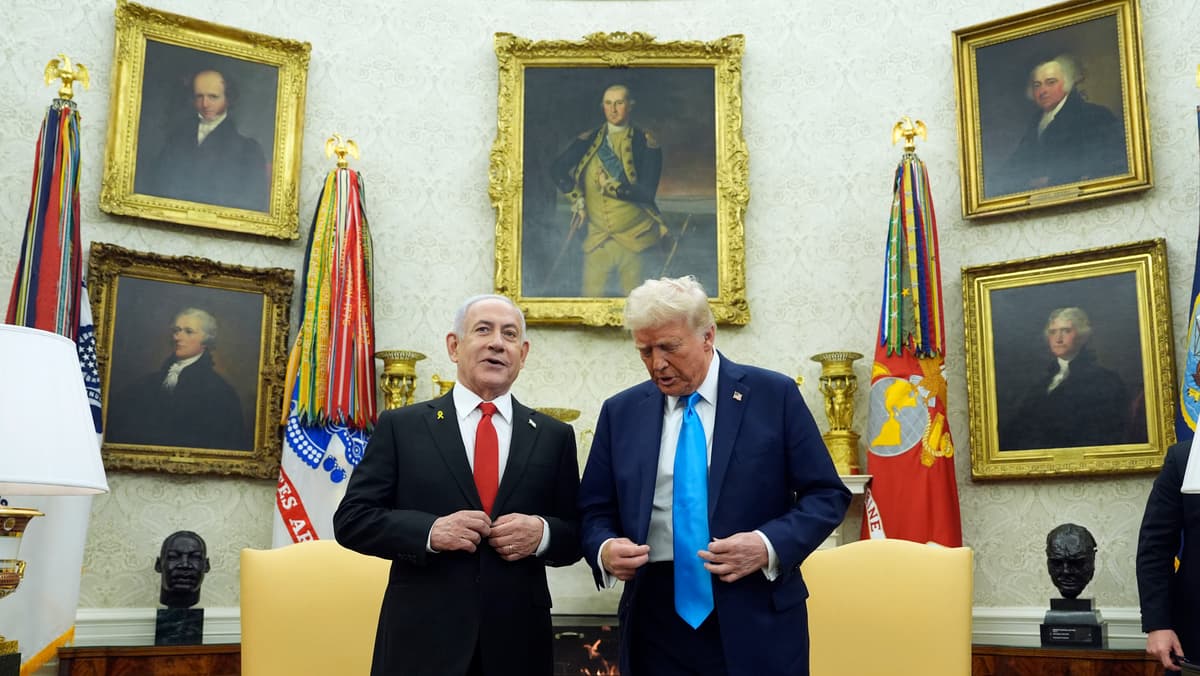
One misunderstanding between Jerusalem and Washington over Gaza’s future was quickly resolved Tuesday, but as Prime Minister Benjamin Netanyahu prepares to visit President Trump next week, several others remain.
Early on Tuesday, Mr. Netanyahu’s defense minister, Israel Katz, announced that “at the appropriate time” Israel will resettle northern Gaza. Later in the day, following alarmed calls from Washington, Mr. Katz issued a clarification, saying that the Israeli government has “no plans” to establish permanent settlements there.
Mr. Katz’s initial statement, made at a gathering of West Bank settlers, might have been an appeal to right wing Likud primary voters as Israel enters an election year. His retraction was likely done to appease Washington amid delicate negotiations over the second phase of Mr. Trump’s 20-point Gaza plan.
Renewed Jewish settlement projects in Gaza are off the table for now. Other disagreements over the Strip’s future, though, are far from resolved. One of Mr. Netanyahu’s top goals at his planned December 29 visit to Mar-a-Lago is to talk Mr. Trump out of allowing Qatari and Turkish presences in post-war Gaza.
While Israeli politicians of all stripes share the premier’s rejection of the two Hamas-supporting countries, Mr. Trump is yet to publicly determine what role, if any, Qatar and Turkey will have in Gaza.
Washington, meanwhile, is eager to rehabilitate Gaza and turn it into an attractive Mediterranean resort. At the same time, Israel is increasingly concerned about Hamas’s re-entrenchment in the Strip’s populated centers and lack of movement toward disarming the terrorists.
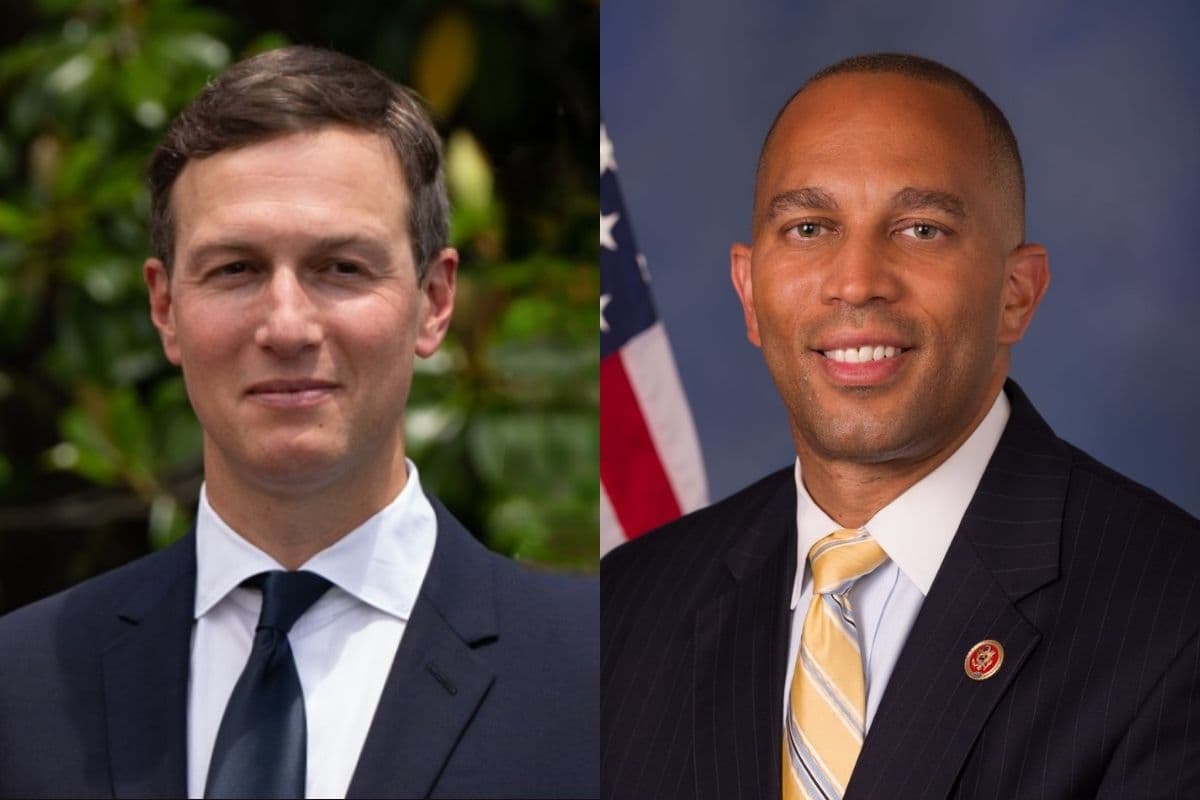
Over the weekend, Mr. Trump’s envoy, Steve Witkoff, and son-in-law Jared Kushner met at Miami with officials from Egypt and several Gulf countries. Concerns grew in Israel that Qataris and Turks played a major role in the meeting, indicating they might end up becoming central to America’s plans for the next phases, which would help Hamas reestablish its rule over the Strip’s population.
In the Miami meeting Messrs. Witkoff and Kushner, who are charged with steering Mr. Trump’s 20-point plan, reportedly circulated a $112 billion scheme dubbed “Project Sunrise,” which would turn Gaza into a futuristic beachfront attraction complete with luxury resorts and smart AI centers.
Mr. Trump’s peace ideas might be fine on paper, “but nothing is ever getting settled,” a fellow at Israel’s Misgav institute, Yossi Mansharof, tells the Sun. “The situation in Gaza is far from resolved while Hamas is rearming and preparing for the next round” of hostilities.
Most of Gaza’s population is currently living in areas that the Israel Defense Force evacuated after the late September cease-fire agreement was reached. Hamas has quickly reasserted its rule in those areas, executing Gazan rivals and re-manning governance institutions. Cops in Hamas uniforms once again direct traffic in the streets of Gaza City.
According to Mr. Trump’s 20-point plan, which was endorsed by the United Nations Security Council and all Arab countries, “Hamas and other factions agree to not have any role in the governance of Gaza, directly, indirectly, or in any form. All military, terror, and offensive infrastructure, including tunnels and weapon production facilities, will be destroyed and not rebuilt.”
As part of the first stage of the plan, the IDF currently maintains a presence behind a “Yellow Line,” in 53 percent of Gaza’s territory. The military would withdraw once an international destabilization force verifies Hamas’s disarmament. That force, though, is yet to be formed.
“There will be no international force while Hamas is there,” a former national security adviser to Mr. Netanyahu, Yaakov Amidror, tells the Sun. “The only ones that are willing to enter are Turkey and Qatar, because they like Hamas to be there. The other Arab countries — the Saudis, the Emiraties, the Egyptians — don’t want Hamas in there.”
Armed Hamas men increasingly attempt to challenge IDF positions behind the Yellow Line, leading to deadly clashes. Israel’s critics use these incidents to accuse it of violating the cease-fire. Detractors also claim Israel is attempting to usurp Gaza’s territory — and on Tuesday Mr. Katz further fueled those accusations.
In his initial statement, the defense minister said that quasi-civilian IDF troops, known as Nahal, will rebuild Gaza settlements that were uprooted in 2005 as part of then-premier Ariel Sharon’s disengagement from the Strip. Later on Tuesday Mr. Katz’s office said that he merely spoke about security, and that the government “has no intention to establish civilian settlements in Gaza.”