Transit Authority
This article is from the archive of The New York Sun before the launch of its new website in 2022. The Sun has neither altered nor updated such articles but will seek to correct any errors, mis-categorizations or other problems introduced during transfer.

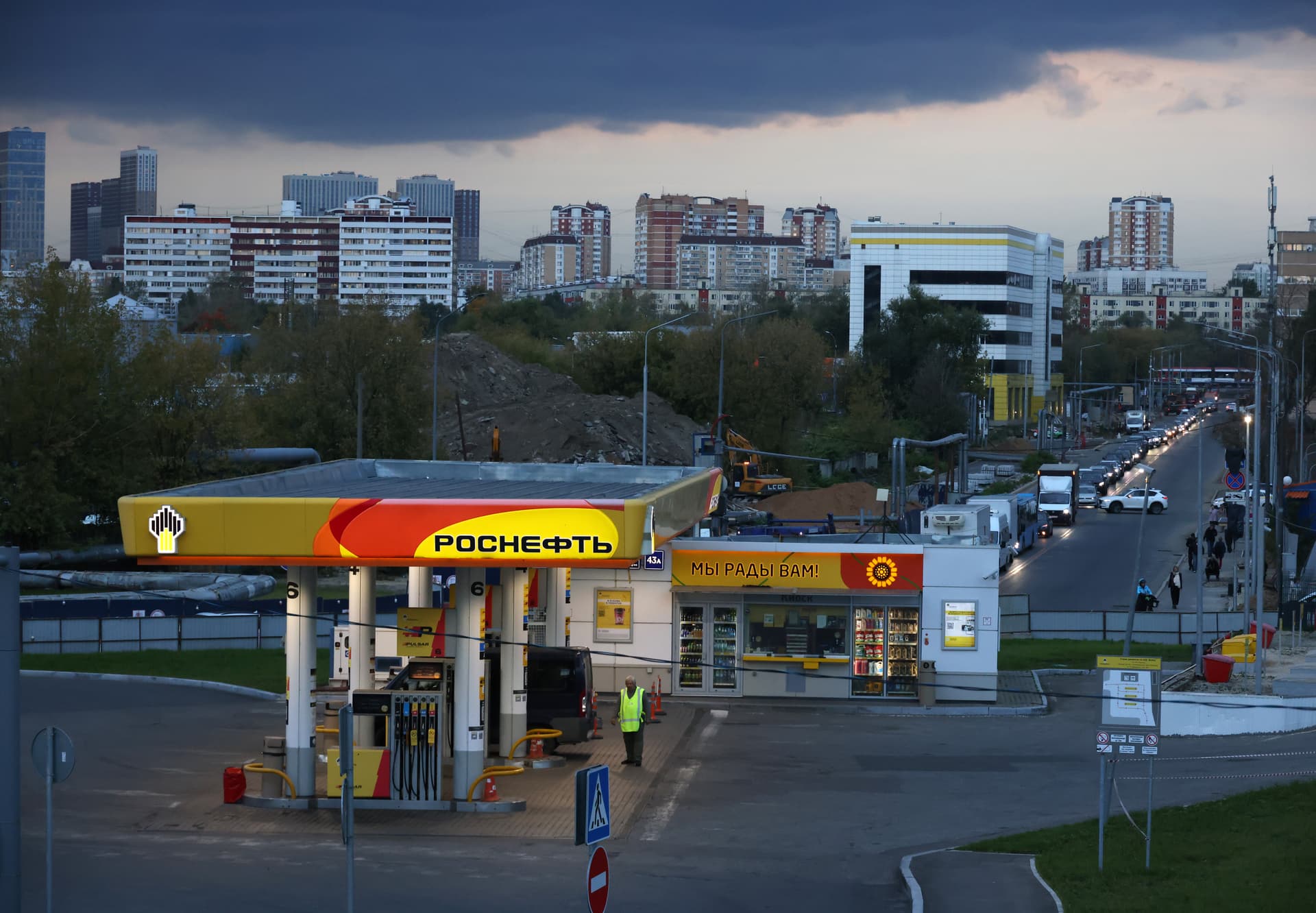
Q: I’ve noticed that gas prices in New Jersey are usually much lower than those in New York City. Why is that, and is it worth the trip to New Jersey to fill up?
A: I planned a hypothetical trip across the river to New Jersey that would allow a Manhattan motorist to save enough money on gas to make it worth the price of using a bridge or tunnel.
Using the lowest price I could find near any crossing on the New Jersey side, $1.73 per gallon in North Bergen, and the lowest price in Manhattan, $2.11 per gallon, I compared the cost of buying 15 gallons of regular gas in the two states. From the prices I found, you can expect to save $5.70 on a fill-up in New Jersey. Unfortunately, those savings are not enough to offset the cost of traveling there, as even if you used an EZ Pass during off-peak hours you’d spend $4 each way – and that doesn’t count the gas you’d burn on the trip.
Of course, if you drove a vehicle with a huge gas tank and made the trip at a time when you could zip across the bridge or tunnel and back, then perhaps you could break even.
Also note: New Jersey does not allow patrons to pump their own gas, while New York does. If you’d rather not leave your car while it’s fed, then in Manhattan you’ll pay at least $2.19 a gallon at the “full service” pump. Buying 15 gallons in New Jersey would save you $6.19.
Several factors help explain why New Jersey vendors are able to offer gas at lower prices. Tax is the most considerable among them. According to statistics from the federal Energy Information Administration, motorists pay more than twice as much state tax per gallon in New York: 22.6 cents versus New Jersey’s 10.5 cents. And that doesn’t include the New York City tax of about 4 cents a gallon. Manhattan gas stations face additional financial burdens, principally the famously high cost of retail space.
Handy resources for motorists on both sides of the Hudson to locate the lowest gas prices in their areas are the Web sites www.newyorkgasprices.com and www.newjerseygasprices.com.
Q: Last week I was heading south on a 1 train going to the South Ferry station. I saw the announcement that says you have to be in the first five cars to exit at the stop. Not sure which car I was in, I scrambled to make it up to the front. My question is this: Why can’t the MTA allow passengers in the first five cars off and then move the train up to allow passengers in the other cars to leave as well?
A: The South Ferry Station is, indeed, one of the smaller ones. The numbered trains today have 10 cars. It would, indeed, be feasible to have, in effect, two stops in one station, by allowing cars 6-10 to open as you suggest. New York City Transit has conductors open only the first five doors, however, in an effort to save time, according to a spokesman for the parent Metropolitan Transportation Authority, Tom Kelly.
Despite the posting of messages in seven languages at both ends of each car and frequent announcements over the trains’ intercom system, just in the past week I have seen several groups of people miss the South Ferry stop because they were in the wrong car. The MTA discourages riders from moving between cars, but that is often the only option for people who do not realize, until it’s too late, that they’re riding in a too-far-back car. After the train loops back northbound, those benighted passengers should probably skip the next stop, Rector Street, get off at Chambers Street, cross to the southbound platform, and – for heaven’s sakes – get in the first car.
Have a question about getting around the city? Send your questions to transit@nysun.com.