
Trump Peace Deal Between Thailand and Cambodia Frays as at Least a Dozen Killed in New Fighting
The American leader may have to cross the Thai-Cambodian border war off the list of peace deals he’s brokered between warning countries.
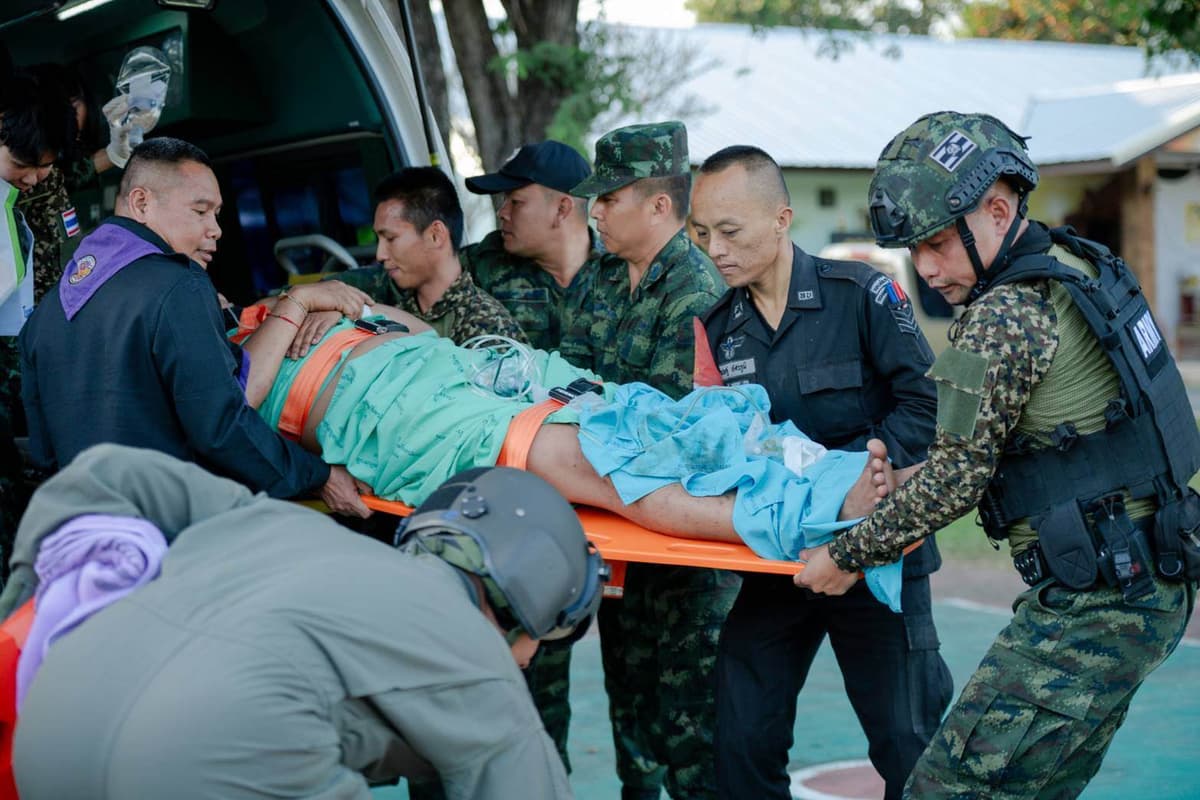
President Trump may have to cross the Thai-Cambodian border war off the list of peace deals he’s successfully brokered between warring countries. In fighting this week over land historically claimed by both Southeast Asian nations, at least a dozen persons have been killed, many more wounded, and hundreds of thousands forced to flee their homes.
The latest conflict was a mirror repetition of the fighting before the signing by the Thai and Cambodian leaders of a nobly worded accord under the watchful gaze of Mr. Trump and the Malaysian prime minister, Anwar Ibrahim. That was in October at the parley of the Association of Southeast Asian Nations in Kuala Lumpur.
The longtime Cambodian dictator, Hun Sen, who has transferred the title of prime minister to his son, Hun Manet, but remains as Cambodia’s de facto ruler, reflected the rage on his side of the border, vowing on Facebook that “our armed forces must strike back at all points where the enemy attacks.”
“There will be no negotiations,” was the flat retort of the Thai prime minister, Anutin Charnvirakul, who joined with Hun Manet in signing the Kuala Lumpur accord. His foreign minister, Sihasak Phuangketkeow, disparaged the deal, saying it had “no effect” and negotiations would be “pointless,” according to a website in Bangkok, the Nation.
The Nation reported the leader of Thailand’s opposition People Party is blaming the fighting on a diversionary effort to “protect the scammer networks” that “sustain the Hun Sen regime.” Cambodian leaders are believed to have enriched themselves from an elaborate empire of thousands of robo-callers trained to lure unwary victims into fraudulent money schemes.
The fighting shows the fragility of a peace accord in a region in which America is vying with Communist China for power and influence. Thailand counts as a long-time American ally, from which American planes flew on bombing missions during the Vietnam War, while the People’s Republic of China has held primary influence over Cambodia since the era of bloody Khmer Rouge rule in the 1970s.
The fighting belies the lofty sentiments of the Kuala Lumpur accord that begins with a reaffirmation of “the unwavering commitment to peace and security between our two countries” and “our firm commitment to refrain from the threat or use of force, peaceful settlement of disputes and respect for international boundary and of international law.”
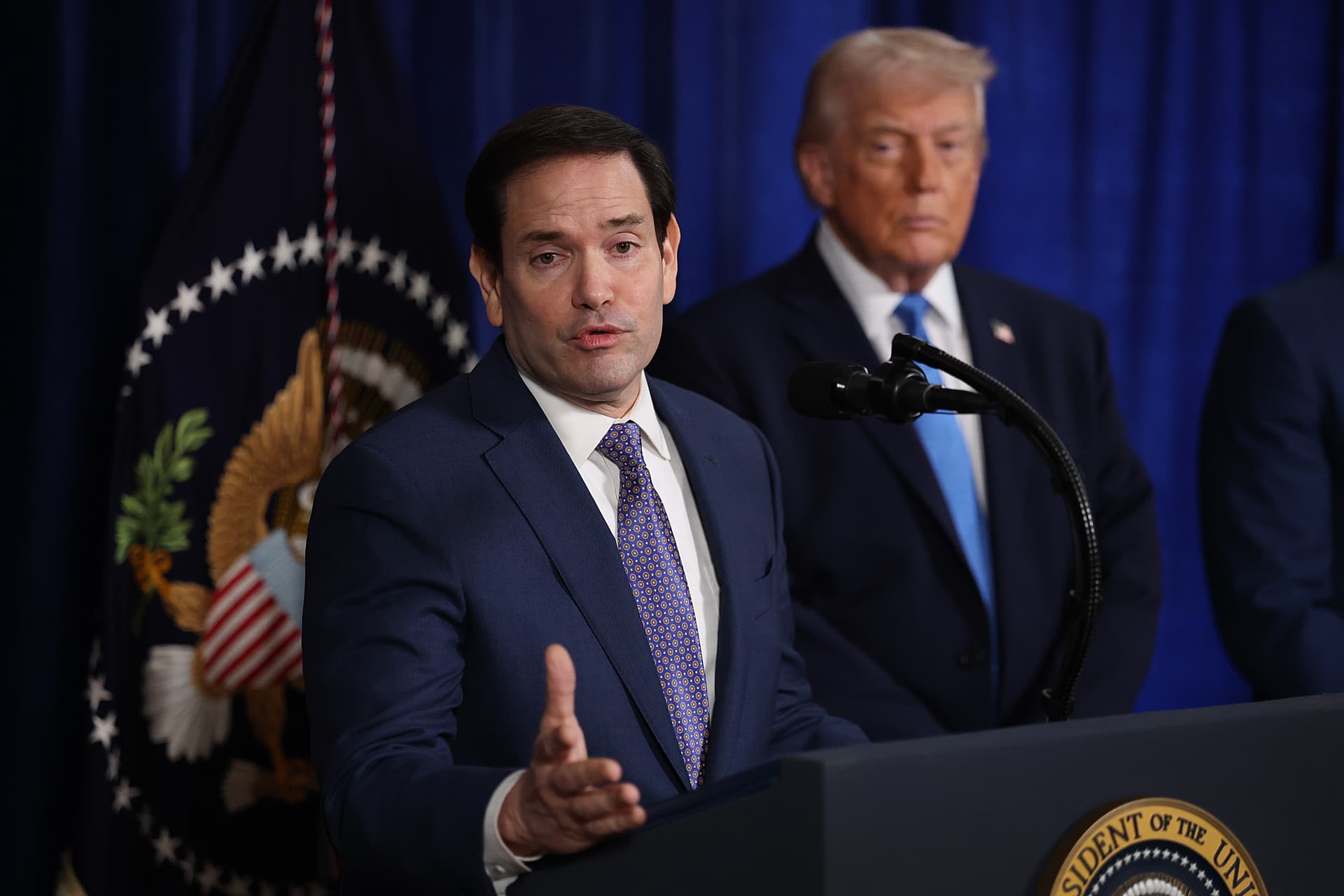
Washington responded with consternation over renewal of a conflict that Mr. Trump has sought to end by reminding both sides of the possible impact on negotiations on trade and tariffs. Secretary of State Marco Rubio demanded “immediate cessation of hostilities, the protection of civilians, and for both sides to return to the de-escalatory measures outlined in the October 26 Kuala Lumpur Peace Accords.”
Even before the return to open conflict, however, there were no signs of either side carrying out other measures in the accord, notably to work together on the removal of landmines that imperil the lives of farmers all along the border.
Just what Washington might do beyond calling for the fighting to end was far from clear as sporadic shelling broke out from the area surrounding the ancient Preah Vihear temple, on the Thai-Cambodian border but in Cambodian hands, on south to the Gulf of Thailand.
Each side accuses the other of igniting the latest phase of the conflict, with the Thais saying Cambodians fired across the border first while Cambodia accuses Thailand of sending F-16s on air strikes. The F-16s — and many other Thai weapons — are American-made while most of Cambodia’s weapons are made in the Chinese People’s Republic.