Ukraine’s Valor Defies So-Called Realists, Stirring Echoes of Britain’s Heroic Resistance to Nazi Tyranny in 1940

Kyiv’s resilience is inconvenient for those Americans who are eager to proclaim that the nation is inevitably doomed to defeat, dismemberment, and domination.

Via Wikimedia Commons
Yousuf Karsh's 1941 portrait of Churchill, 'The Roaring Lion.' Via Wikimedia Commons

Ukraine’s breathtaking ingenuity, the latest example of which destroyed or damaged dozens of Russia’s long-range bombers on bases 2,500 miles from Ukraine, is in the service of an unflagging valor reminiscent of Britain’s in 1940, when it was isolated and embattled, with the German army at the English Channel. 

Ukraine’s resilience is inconvenient for those Americans who are eager to proclaim that the geographically largest nation entirely within Europe is inevitably doomed to defeat, dismemberment, and domination.

Such Americans’ unseemly “realism” has them invested in, and even eager for, Ukraine’s disappearance from the map of European nations. Those Americans should remember Winston Churchill’s 1941 response to French military “realists” who had said in 1940 that Britain would soon have its neck wrung like a chicken. Said Churchill: “Some chicken. Some neck.”

Today’s faux “realism” cannot fathom what is at stake in Ukraine. Michael Kimmage can. The director of the Wilson Center’s Kennan Institute, writing in Foreign Affairs, says President Putin has “renormalized the idea of large-scale war as a means of territorial conquest.” Mr. Putin is, therefore, undoing a war aim enunciated before the United States entered World War II. 

In August 1941, President Franklin Roosevelt and Churchill, meeting on warships in Placentia Bay, off Newfoundland, propounded the Atlantic Charter, item two of which looked to a future without “territorial changes that do not accord with the freely expressed wishes of the peoples concerned.”

It was to buttress this principle that President George H.W. Bush in 1991 orchestrated a broad coalition of nations for the limited but luminous purpose of forcing Iraq to leave Kuwait. It was for this principle that in 1982 Prime Minister Thatcher sent British forces to the South Atlantic to undo Argentina’s seizure of the Falkland Islands. An Argentine intellectual dismissed this military event as “a fight between two bald men over a comb.” Actually, it was a fight for a principle that again seems perishable.

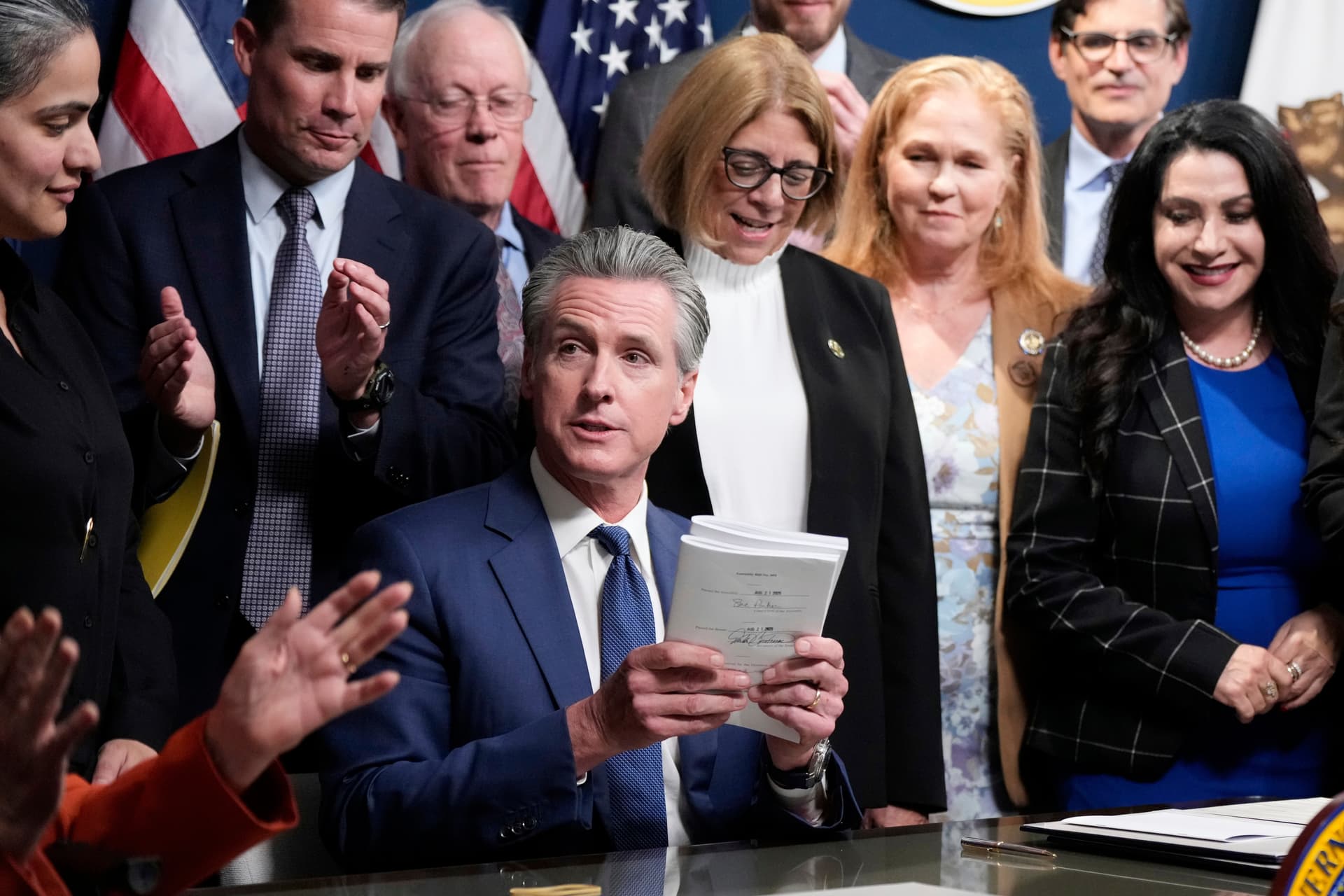
Vice President Vance uses flippancy, as adolescents do, for the fun of being naughty: “I don’t really care what happens to Ukraine one way or the other.” He has dismissed as “moralistic garbage” a distinguished historian’s mildly different opinion about Ukraine’s prospects. 

Mr. Vance wonders whether Niall Ferguson of Stanford’s Hoover Institution is “aware of the reality on the ground, of the numerical advantage of the Russians, of the depleted stock of the Europeans or their even more depleted industrial base?”

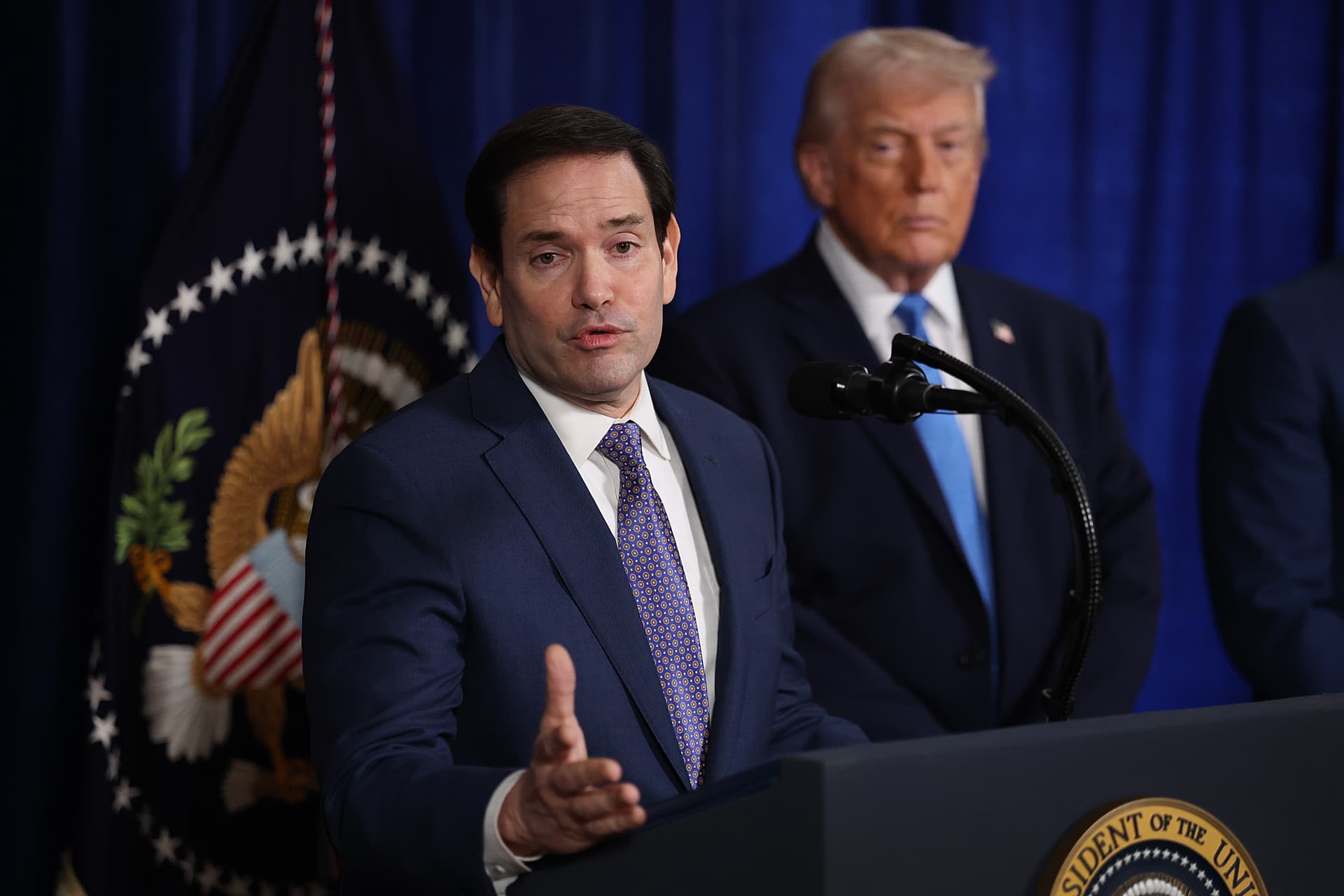
Ukraine, Mr. Vance says, never had “any pathway to victory.” Mr. Vance’s ventriloquist, the American president, has called President Zelensky a “dictator,” though it is unclear how much disapproval Mr. Trump conveys using that term. Mr. Trump has said to Mr. Zelensky, “You don’t have the cards.”

Yet Ukraine’s minister of foreign affairs between 2020 and 2024, Dmytro Kuleba, writing May 30 in Foreign Affairs, says: “In December 2023, Russia controlled approximately 42,000 square miles of Ukrainian territory. In December 2024, that figure had grown only slightly, to around 43,600 square miles. … As of late May, Russia held approximately 43,650.”

Mr. Kuleba adds that “the country supposedly holding all the cards has gained just 1,650 of Ukraine’s 233,030 square miles over the last 16 months. … Moscow has gone from occupying about 18 percent of Ukrainian territory in late 2023 to roughly 19 percent today.”

Russia, which Senator McCain called a “gas station masquerading as a country,” has one-third of the European Union’s population, one-tenth of the E.U.’s gross domestic product, and last year had more than half a million more deaths than births. 

Writing in the Atlantic, a Daily Beast correspondent, Anna Nemtsova, who covers Eastern Europe, reports: “According to one demographer, Russians may have had fewer children from January to March 2025 than in any three-month period over the past 200 years.”

Although some people similar to Mr. Vance admired Prime Minister Chamberlain’s “realism” at Munich in 1938, Dalibor Rohac of the American Enterprise Institute cautions that it is “misleading and ahistorical” to compare Ukraine’s vulnerability in coming negotiations to Czechoslovakia’s in the negotiations that presaged Germany’s takeover of that country: Czechoslovakia was not forced to acquiesce to a fatal agreement “after defending itself successfully against Nazi military might for three years.”

Mr. Trump finds Russia “easier to deal with” than Ukraine, perhaps because he agrees more with Russia. Mr. Vance says Mr. Trump might walk away from peace talks if Mr. Putin is not “serious” about them. So, Mr. Vance has notified Mr. Putin that simply by being unserious about negotiations, he might provoke Mr. Trump to show that among the things he is unserious about is the principle affirmed at Placentia Bay.

The Washington Post


The New York Sun

© 2025 The New York Sun Company, LLC. All rights reserved.

Use of this site constitutes acceptance of our Terms of Use and Privacy Policy. The material on this site is protected by copyright law and may not be reproduced, distributed, transmitted, cached or otherwise used.

The New York Sun

Sign in or  create a free account

or
By continuing you agree to our Privacy Policy and Terms of Use