
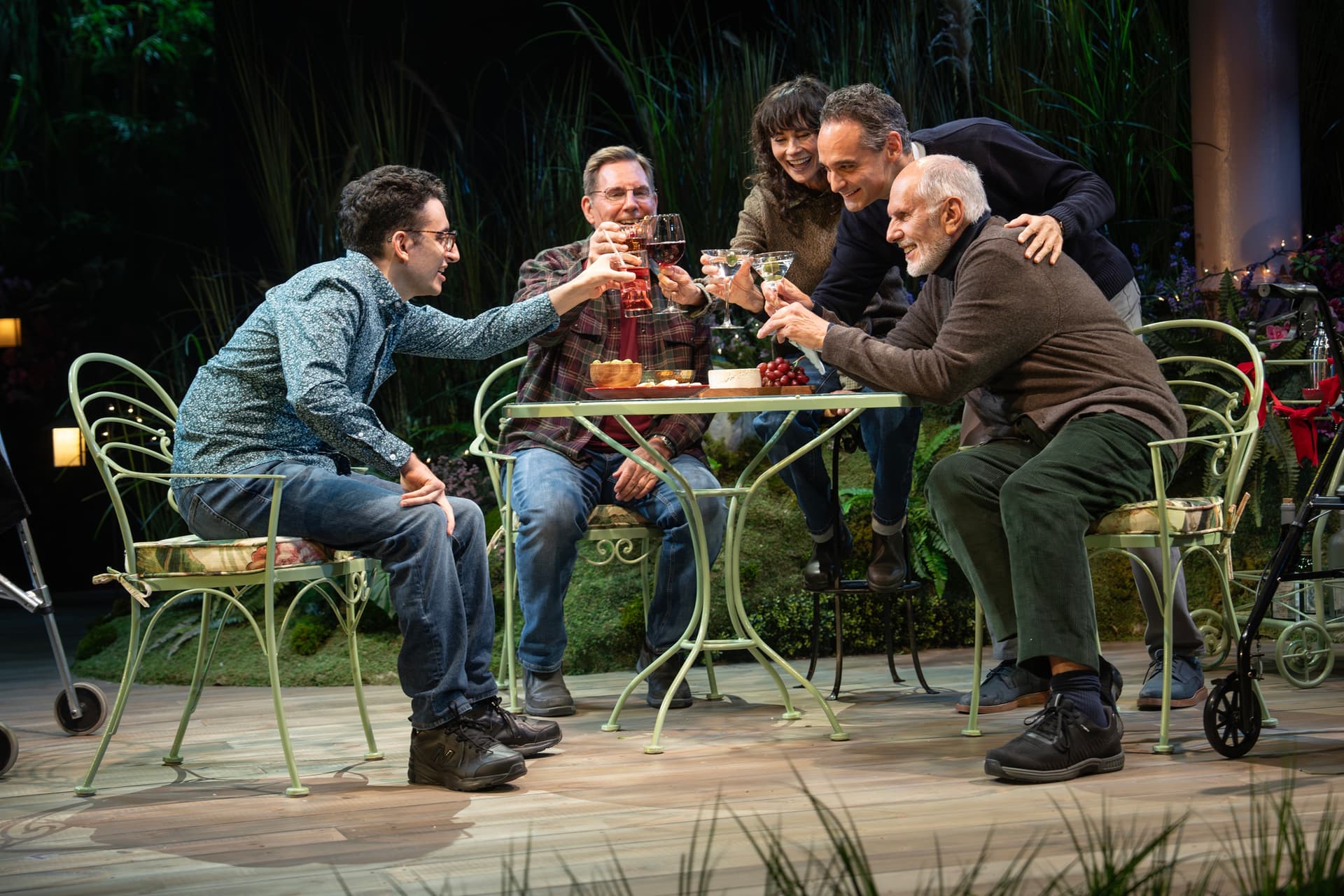
‘Good Time Charlie’ Is All Heart
By ELYSA GARDNER
|This article is from the archive of The New York Sun before the launch of its new website in 2022. The Sun has neither altered nor updated such articles but will seek to correct any errors, mis-categorizations or other problems introduced during transfer.

Published:
Updated:
The “Saint Matthew Passion” by Johann Sebastian Bach (1685–1750) is a dramatic oratorio, requiring a double orchestra and chorus, and containing a dozen solo vocal roles (usually handled by five singers). Today’s early music specialists, aspiring to an “authentic” approach close to Bach’s own time and resources, usually use intimate, underpopulated chamber ensembles and choirs. As a result, most brand-new recordings of the “Saint Matthew Passion” — by one count at least 21 have been released since 2001 — sound curiously alike, with thin, pallid period-instrumental ensembles and weak, wimpy voices.
By ELYSA GARDNER
|
By WILL FRIEDWALD
|
By ROSS ANDERSON
|
By MARIO NAVES
|
By THE NEW YORK SUN
|
By ALEX ZDAN
|
By LUKE FUNK
|
By LUKE FUNK
|The “Saint Matthew Passion” by Johann Sebastian Bach (1685–1750) is a dramatic oratorio, requiring a double orchestra and chorus, and containing a dozen solo vocal roles (usually handled by five singers). Today’s early music specialists, aspiring to an “authentic” approach close to Bach’s own time and resources, usually use intimate, underpopulated chamber ensembles and choirs. As a result, most brand-new recordings of the “Saint Matthew Passion” — by one count at least 21 have been released since 2001 — sound curiously alike, with thin, pallid period-instrumental ensembles and weak, wimpy voices.
Already have a subscription? Sign in to continue reading
Cancel anytime
By continuing you agree to our Privacy Policy and Terms of Service.
Cancel anytime