

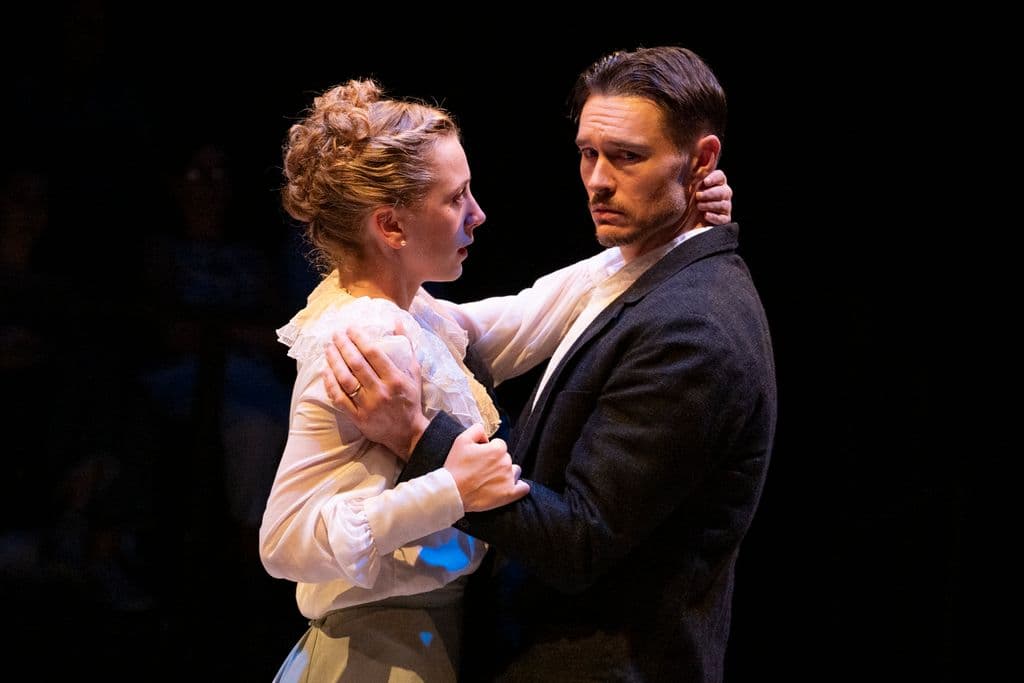
A Muddled ‘Real Ivanov’ Strains for Modern Resonance
By ELYSA GARDNER
|The actress and the poet shared certain affinities, but Arden achieved a balance of family life and artistic fulfilment that eluded Plath.
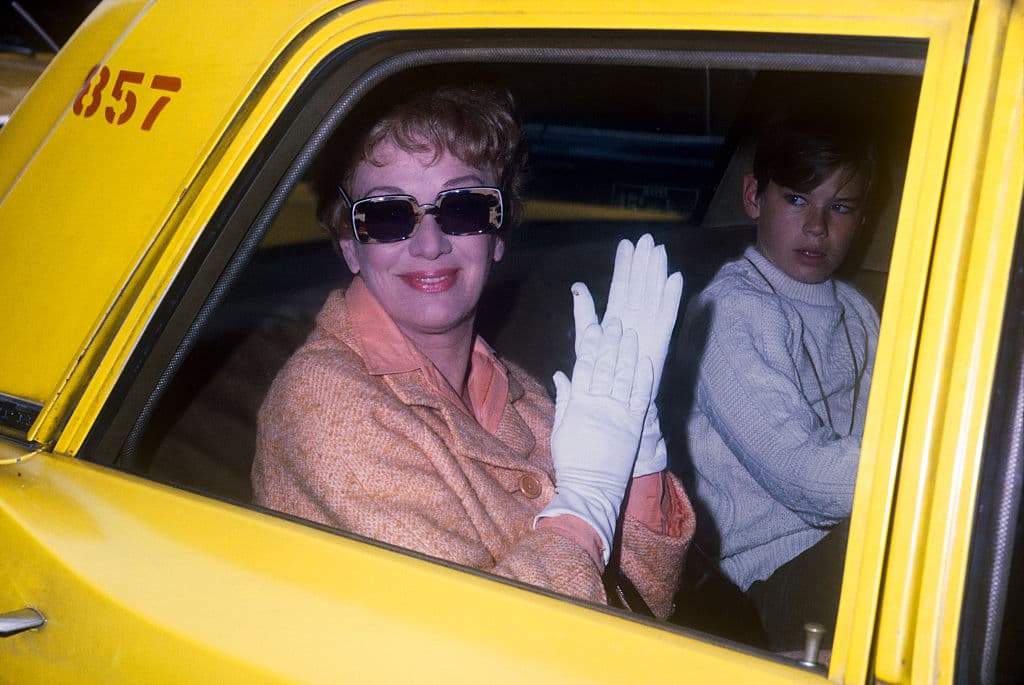
Why didn’t Sylvia Plath want to be like Eve Arden? I’m thinking specifically of Arden’s character in “Cover Girl” (1944) as the quintessential career woman, attached only to her male boss, that Plath was determined not to become. She owned Hayworth and Hedy Lamarr paper doll books and grew up with friends that fulfilled the Eve Arden function: The attractive female friend, sensible and supportive but not competing for the starring role that Plath accorded to herself. By the time Arden became the star of her own radio show, “Our Miss Brooks,” Plath was just about through with listening to entertainment programs, and with virtually no interest in television that brought Arden every week into American homes.
By ELYSA GARDNER
|
By BENNY AVNI
|
By DANIEL McCARTHY
|
By GEORGE WILLIS
|
By WILL FRIEDWALD
|
By THE NEW YORK SUN
|
By THE NEW YORK SUN
|
By GEORGE WILLIS
|Why didn’t Sylvia Plath want to be like Eve Arden? I’m thinking specifically of Arden’s character in “Cover Girl” (1944) as the quintessential career woman, attached only to her male boss, that Plath was determined not to become. She owned Hayworth and Hedy Lamarr paper doll books and grew up with friends that fulfilled the Eve Arden function: The attractive female friend, sensible and supportive but not competing for the starring role that Plath accorded to herself. By the time Arden became the star of her own radio show, “Our Miss Brooks,” Plath was just about through with listening to entertainment programs, and with virtually no interest in television that brought Arden every week into American homes.
Already have a subscription? Sign in to continue reading
Cancel anytime
By continuing you agree to our Privacy Policy and Terms of Service.