
Fate of Nuclear Pact Lies With Pyongyang

This article is from the archive of The New York Sun before the launch of its new website in 2022. The Sun has neither altered nor updated such articles but will seek to correct any errors, mis-categorizations or other problems introduced during transfer.

The New York Sun

BEIJING — Negotiators and analysts yesterday warned that much work remained to force North Korea to go ahead with the landmark nuclear agreement it made in the Beijing six-party agreement on Tuesday.

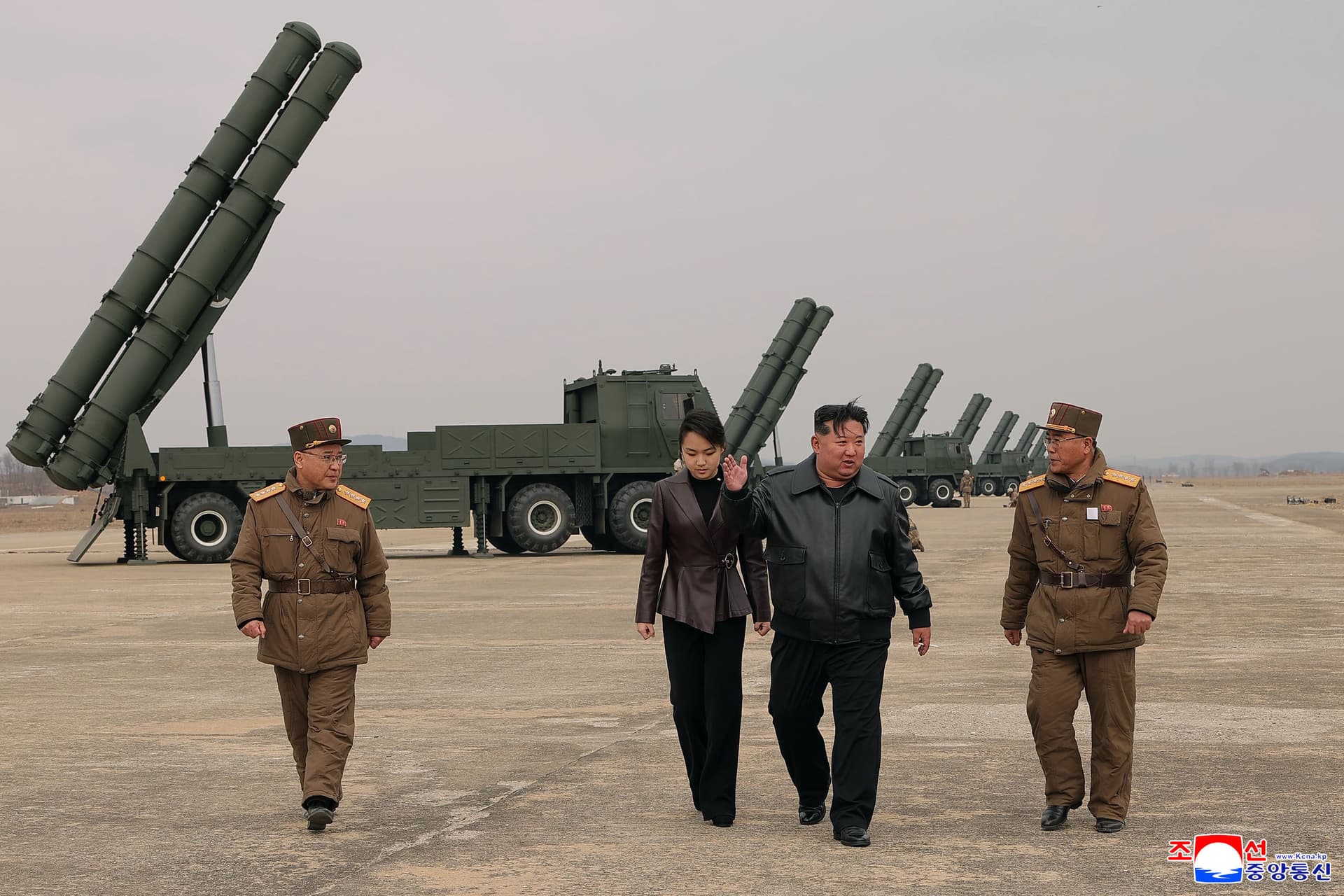
Somewhere inside one of his tightly guarded palaces, the North’s ruler, Kim Jong Il, will be pondering his country’s landmark nuclear deal and considering the risks of putting it into action.

He will be aware that if he keeps his pledge to close irrevocably all its nuclear facilities and let in nuclear inspectors, his hermit kingdom may be changed forever.

He may also remember that the only country to voluntarily give up nuclear weapons once it obtained them was South Africa — and its apartheid regime fell from power.

“If the regime gives up its crown jewels, the nuclear program, the opening up it would require could be very destabilizing,” said Peter Beck of the International Crisis Group in Seoul, which monitors North Korean politics.

The chief American envoy to the talks, Christopher Hill, left Beijing yesterday defending the deal but saying putting it into practice was another matter.

“We have so much work to do concerning how to begin the process of getting this agreement implemented,” he said. “We have some very ambitious time schedules.”

Under the deal, North Korea has 60 days to freeze the reprocessing plant at Yongbyon, northeast of the capital Pyongyang, which provided the weapons-grade plutonium used to conduct the North’s first nuclear test in October.

In return, it will receive 50,000 tons of fuel oil, with another 950,000 tons if it dismantles the plant and all its other, unspecified, nuclear facilities, monitored by U.N. International Atomic Energy Agency inspectors.

Critics in America said the Bush administration had rewarded North Korea for its nuclear “bad behavior,” while newspapers in Japan and South Korea pointed out that there was no promise not to carry out further nuclear tests or in the immediate future to destroy stocks of weapons-grade material.

As Iran faces growing pressure to halt its nuclear program, an advisor to Supreme Leader Ayatollah Ali Khamenei suggested that Tehran might consider suspending sensitive atomic work.

Ali Akbar Velayati, quoted by French daily Liberation, said Iran had accepted suspension in the past but that the move had not helped to end the dispute.

“But if we continue to be in favor of a peaceful resolution of this problem, no idea should be unacceptable, not for us or for anyone else,” he said.

“We have only got one red line: respecting our right to nuclear energy, which is guaranteed in the [nuclear] Non-Proliferation Treaty.”


The New York Sun

© 2025 The New York Sun Company, LLC. All rights reserved.

Use of this site constitutes acceptance of our Terms of Use and Privacy Policy. The material on this site is protected by copyright law and may not be reproduced, distributed, transmitted, cached or otherwise used.

The New York Sun

Sign in or  create a free account

or
By continuing you agree to our Privacy Policy and Terms of Use